Chlorine Dioxide CAS#10049-04-4
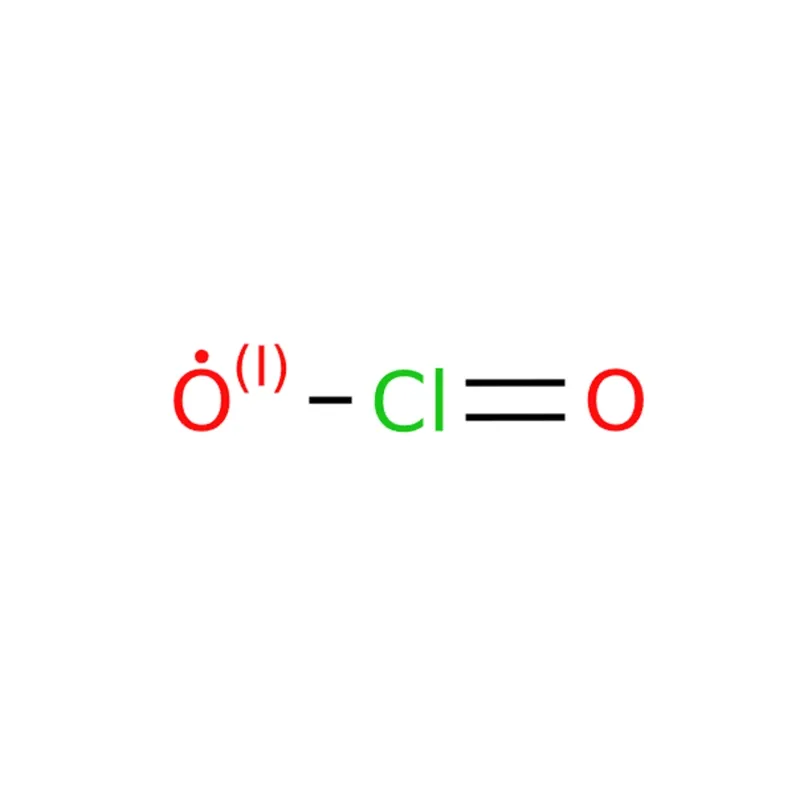
Chlorine Dioxide (CAS#10049-04-4), molecular formula ClO₂, molecular weight 67.45, is an inorganic compound featured with powerful oxidizing characteristics.
At normal temperature and pressure, it exists as yellowish-green to orange-yellow gas with a distinct sharp irritating odour. Its liquid form is reddish-brown, and the solid state shows orange-red crystals.
Pure chlorine dioxide gas carries explosion hazards once its concentration goes above 10%. For safe and convenient deployment, it is normally applied as stabilized chlorine dioxide solution or produced via on-site generation.
Chlorine dioxide Chemical Properties
| Melting point | -59°C |
| Boiling point | 11°C |
| density | 3.09g/L |
| vapor pressure | 0-22900Pa at 20-25℃ |
| solubility | slightly soluble in H2O |
| form | orange-green gas |
| color | orange-green |
| Water Solubility | Soluble ºC |
| Exposure limits | TLV-TWA 0.1 ppm (0.3 mg/m3); (ACGIH, MSHA, OSHA, and NIOSH); TLV-STEL 0.3 ppm (ACGIH); IDLH 10 ppm (NIOSH). |
| Dielectric constant | 1.7(77.0℃) |
| Stability: | May decompose explosively on shock, friction or concussion, or on heating rapidly. Strong oxidant - reacts violently with combustible and reducing materials, and with mercury, ammonia, sulphur and many organic compounds. |
| LogP | -3.22--2.9 at 20℃ |
| CAS DataBase Reference | 10049-04-4(CAS DataBase Reference) |
| NIST Chemistry Reference | Chlorine dioxide(10049-04-4) |
| EPA Substance Registry System | Chlorine dioxide (10049-04-4) |
| Hazard Codes | O,T+,N |
| Risk Statements | 6-8-26-34-50 |
| Safety Statements | 23-26-28-36/37/39-38-45-61 |
| OEB | C |
| OEL | TWA: 0.1 ppm (0.3 mg/m3), STEL: 0.3 ppm (0.9 mg/m3) |
| RIDADR | UN 9191 |
| Hazardous Substances Data | 10049-04-4(Hazardous Substances Data) |
| IDLA | 5 ppm |
Product Usage
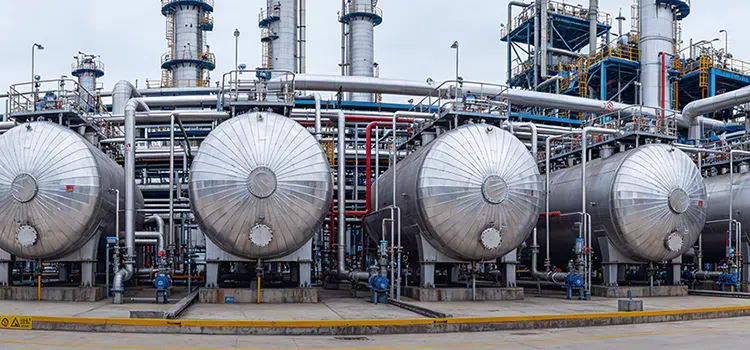
Chlorine dioxide finds its primary application in wood pulp bleaching. As a highly selective oxidizer, it efficiently removes lignin from pulp fibers.
In the pulp and paper sector, chlorine dioxide is increasingly favored to substitute conventional bleaching chemicals including chlorine and hypochlorite. Its outstanding oxidation selectivity and reliable bleaching performance drive this market transition.