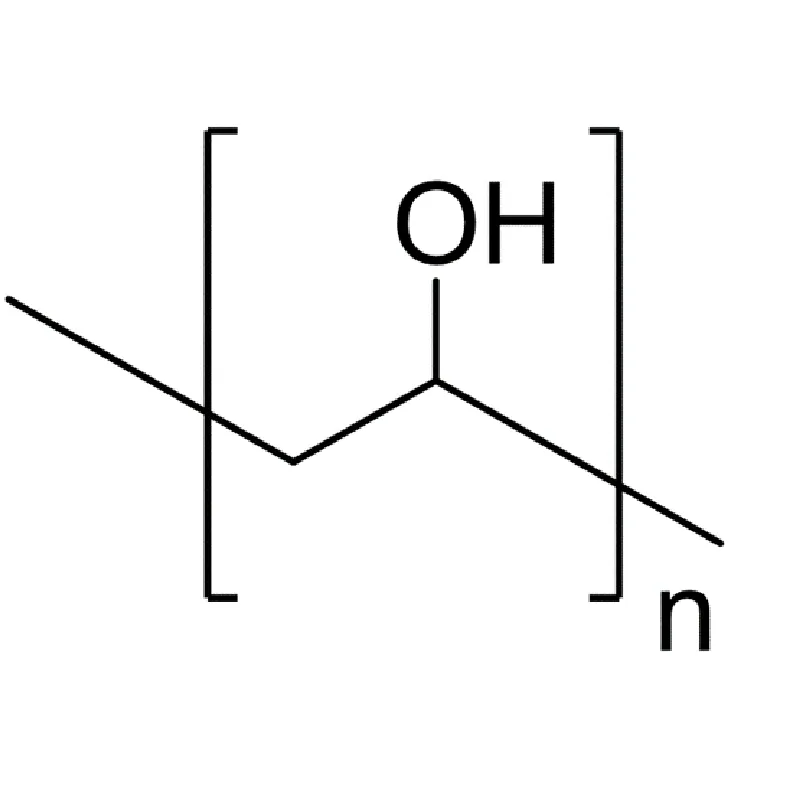
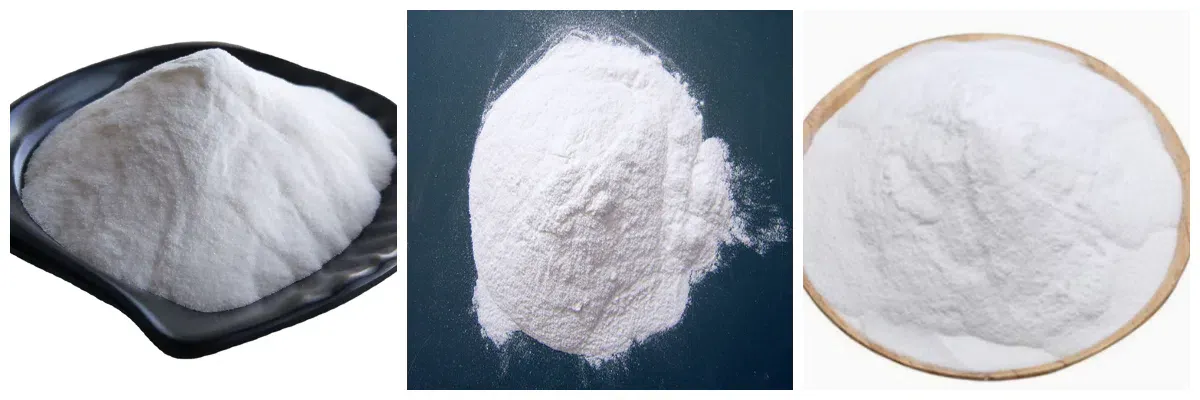
Polyvinyl alcohol (PVA) is a water-soluble high-molecular solid material that may appear as white fine powder, translucent flakes or loose flocculent particles under normal storage conditions. Its glass transition temperature falls within the range of 60–85°C, which directly affects its film-forming performance, mechanical flexibility and processing temperature during extrusion and casting production.
Owing to the large quantity of hydroxyl groups distributed along its molecular chain and strong molecular polarity, PVA is capable of forming stable intermolecular hydrogen bonds with water molecules. This chemical interaction endows PVA with excellent dissolving capacity in polar aqueous solutions; generally, it dissolves slowly in room-temperature water and achieves rapid and complete dissolution when heated.
Besides water systems, PVA is also soluble in hot hydroxyl-bearing organic solvents including glycerol and phenol, which are often used as plasticizers to improve the toughness and stretchability of PVA finished films. In contrast, it shows almost no solubility in conventional non-polar and weakly polar organic solvents, including methanol, benzene, acetone and gasoline. This unique selective solubility greatly simplifies post-production cleaning and waste liquid treatment, and also prevents undesired swelling or dissolution when PVA products are in contact with general oil-based chemicals in practical use.
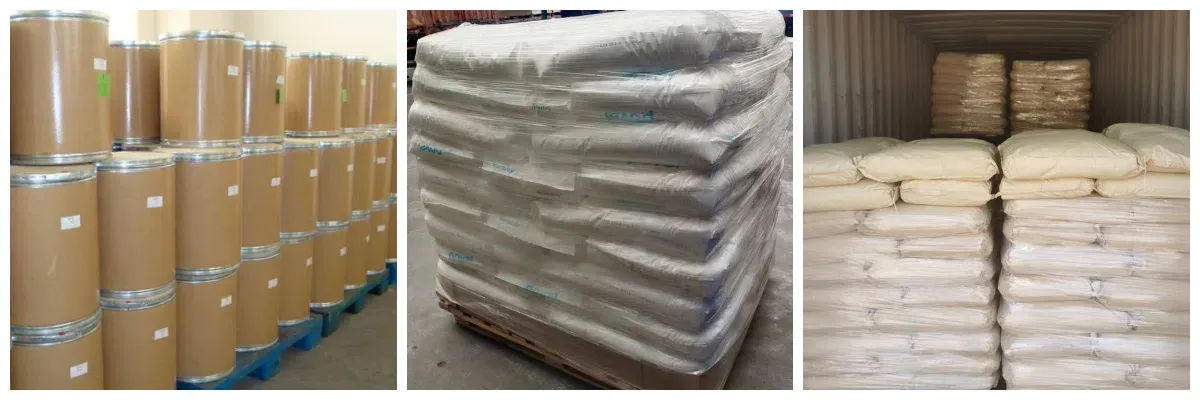
MOQ (Minimum Order Quantity): 1 FCL (Full Container Load)
| Melting point | >300 °C |
| Boiling point | -14.5°C (rough estimate) |
| density | 1.080 g/cm3 |
| Tg | 73 |
| Tg | 99 |
| Tg | 99°C |
| bulk density | 400-670kg/m3 |
| refractive index | 1.3810 (estimate) |
| Fp | 79°C |
| storage temp. | Store below +30°C. |
| solubility | H2O: soluble (hot) |
| form | Powder |
| color | White to cream |
| Odor | at 100.00?%. odorless |
| PH | 3.5-7.0 (40g/l, H2O, 20℃) |
| Water Solubility | soluble in hot water |
| Merck | 14,7585 |
| Dielectric constant | 1.9(Ambient) |
| Stability: | Stable. Combustible. Dust may form explosive mixtures with air. Incompatible with strong oxidizing agents. |
| NIST Chemistry Reference | Polyvinyl alcohol(9002-89-5) |
| IARC | 3 (Vol. 19, Sup 7) 1987 |
| EPA Substance Registry System | Polyvinyl alcohol (9002-89-5) |
Safety Information |
| Hazard Codes | Xn |
| Risk Statements | 23/24/25-36/38-39/23/24/25-68/20/21/22-20/21/22 |
| Safety Statements | 26-36/37-45-24/25 |
| WGK Germany | 1 |
| RTECS | TR8100000 |
| Autoignition Temperature | 450 °C |
| TSCA | Yes |
| HS Code | 39053000 |
| Hazardous Substances Data | 9002-89-5(Hazardous Substances Data) |
| Toxicity | LD50 orally in Rabbit: > 20000 mg/kg |