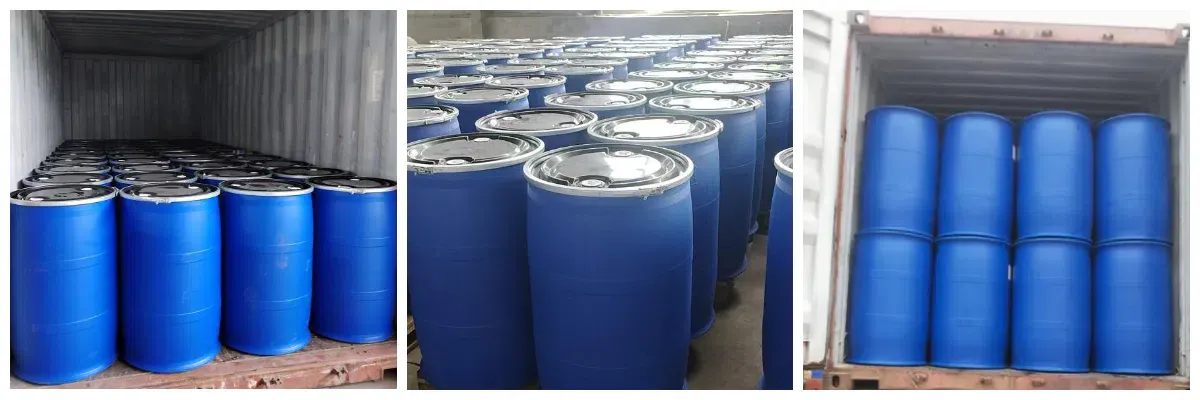
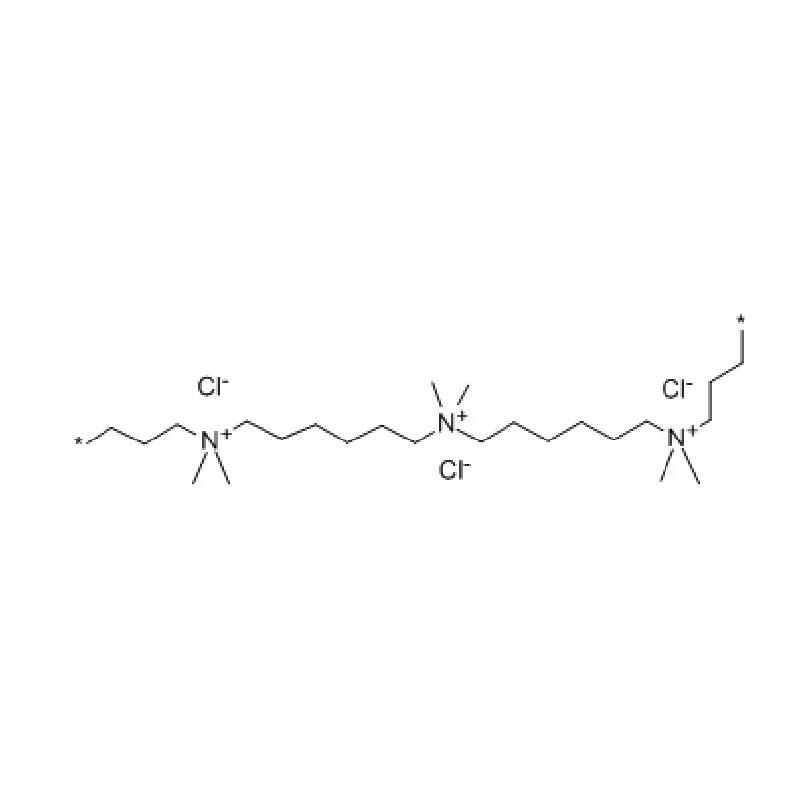
Poly (diallyldimethylammonium chloride), abbreviated as PDADMAC and usually supplied in aqueous solution form, belongs to the category of cationic organic polyelectrolytes. Boasting prominent flocculation and coagulation capabilities, this product has become a mainstream chemical additive for plenty of industrial processing scenarios.
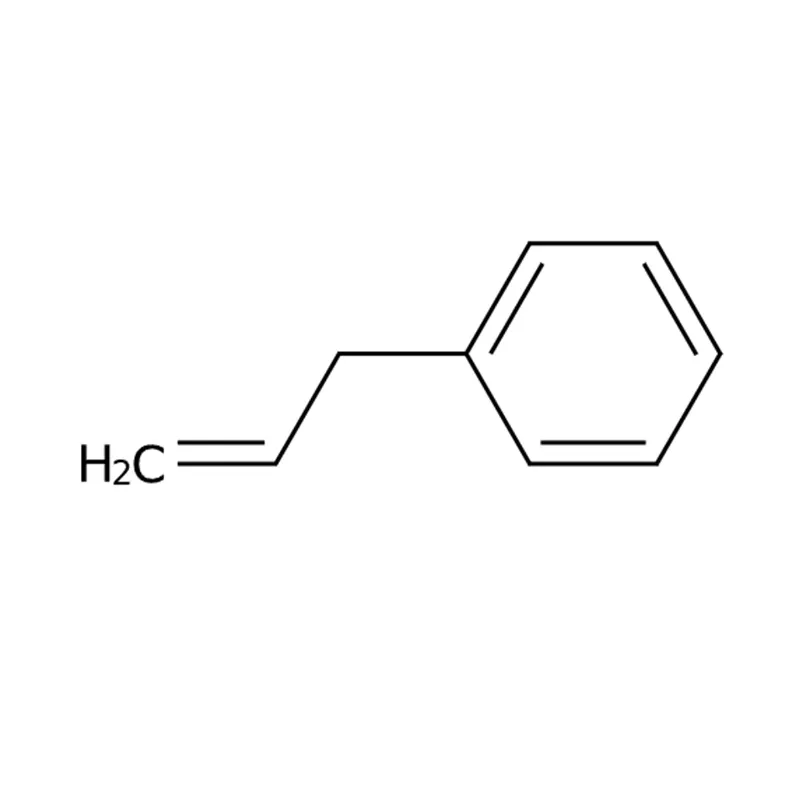
It is synthesized via free radical polymerization reaction based on diallyldimethylammonium chloride (DADMAC) single monomers. The whole polymerization reaction needs to be initiated and driven by initiators, with organic peroxides being the most frequently adopted catalytic initiator in mainstream industrial production.After the polymerization reaction is completed, linear long-chain macromolecular structures are generated inside the finished PDADMAC product. A large number of positively charged active groups are evenly distributed along these polymer molecular chains. Such strong electropositivity enables the material to quickly neutralize the negative charge carried by tiny suspended solids, colloidal impurities and organic pollutants in water bodies. By means of charge neutralization and adsorption bridging, scattered fine contaminants are crosslinked and gathered into large flocculent precipitates, which can be rapidly separated from the aqueous phase.
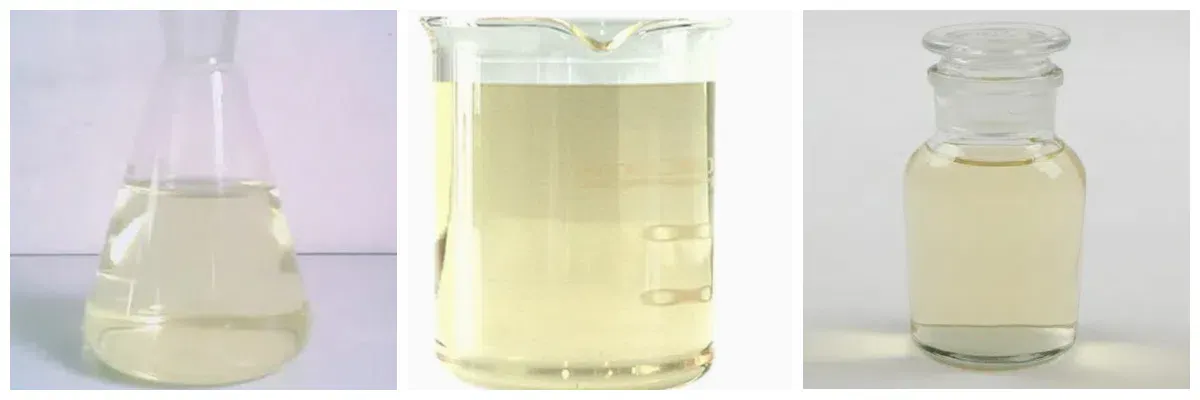
Beyond its core usage in municipal sewage treatment, industrial wastewater purification and papermaking industry retention and filtration aid, PDADMAC also performs excellently in textile printing and dyeing wastewater decolorization, sludge dewatering, mineral beneficiation clarification, as well as daily chemical and cosmetic formula conditioning agents. Featuring stable flocculation performance, small dosage and obvious purification effect, it greatly boosts water treatment efficiency and cuts down the difficulty of solid-liquid separation in multiple production procedures, hence it is extensively recognized and adopted across global industrial manufacturing fields.
Poly(diallyldimethylammonium chloride) Chemical Properties
| density | 1.09 g/mL at 25 °C | |
| refractive index | n20/D 1.417 | |
| Fp | 100 °C | |
| form | viscous liquid | |
| Stability: | Stable. Incompatible with strong oxidizing agents, iron and iron salts, steel, copper, copper alloys, aluminium. | |
| LogP | -2.301 (est) | |
| CAS DataBase Reference | 26062-79-3 | |
| EPA Substance Registry System | Poly(dimethyl diallyl ammonium chloride) (26062-79-3) |
Safety Information
| Risk Statements | 36/37/38 |
| Safety Statements | 26-36 |
| WGK Germany | 2 |
| RTECS | BP6360000 |
| Toxicity | LD50 oral in rat: 3gm/kg |