Product Details
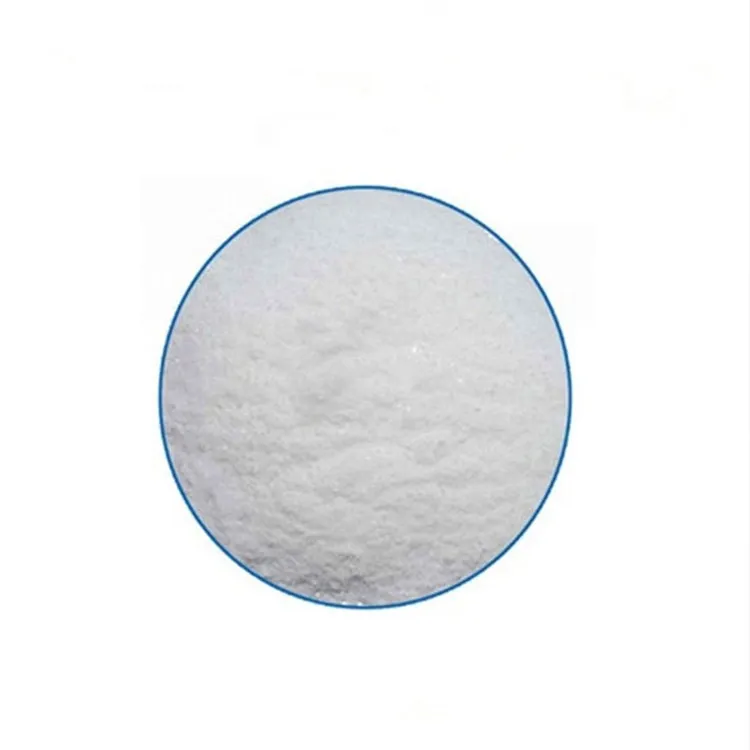
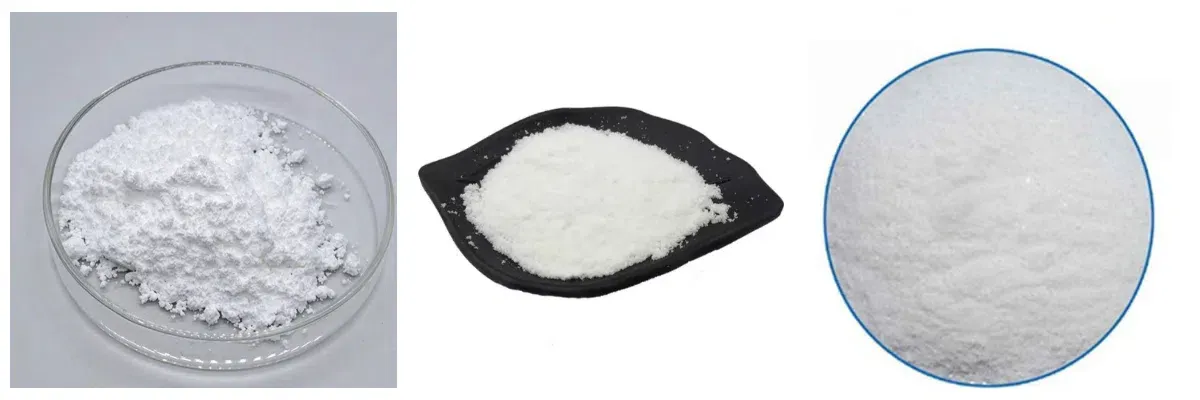
L-carnitine, also referred to as Vitamin BT, carries the chemical formula C₇H₁₅NO₃, with its systematic chemical name being (R)-3-carboxy-2-hydroxy-N,N,N-trimethylpropan-1-aminium hydroxide inner salt, and L-carnitine itself is also widely recognized as a representative therapeutic agent. Classified as an amino acid derivative, it serves a core biological function of facilitating the conversion of fat into usable cellular energy. In its pure form, this substance appears as white crystals or fine, transparent white crystalline powder. It boasts excellent solubility in water, ethanol and methanol, shows only slight solubility in acetone, and remains practically insoluble in ether, benzene, chloroform and ethyl acetate. L-carnitine is highly hygroscopic, featuring outstanding water-dissolving capacity and moisture absorption performance; it maintains stable chemical properties even when exposed to high temperatures exceeding 200 ℃. When applied following recommended dosages, it poses no toxic or adverse side effects to the human body. Red meat stands as the primary dietary source of natural L-carnitine, while healthy human bodies are also capable of endogenous biosynthesis to satisfy regular physiological demands. Though commonly grouped with nutritional factors, it is not a true vitamin, but a vitamin-like bioactive compound. It supports a wide array of critical physiological activities, including the oxidative breakdown of fatty substances, healthy body weight management, and the relief of physical fatigue. Approved as a safe food additive, it finds extensive application across diverse scenarios: infant formula foods, weight-management functional foods, specialized nutrition for competitive athletes, nutritional supplements tailored for middle-aged and elderly populations, nutritional fortifiers for vegetarian groups, as well as high-performance feed additives for livestock and aquaculture animals.
| L-carnitine Chemical Properties |
| Melting point | 197-212 °C(lit.) |
| alpha | -31 º (c=10, H2O) |
| Boiling point | 287.5°C (rough estimate) |
| bulk density | 636kg/m3 |
| density | 0.64 g/cm3 |
| refractive index | -32 ° (C=1, H2O) |
| storage temp. | Store below +30°C. |
| solubility | H2O: 0.1 g/mL at 20 °C, clear, colorless |
| pka | 3.80(at 25℃) |
| form | Crystals or Crystalline Powder |
| color | White |
| Appearance | white powder |
| PH | 6.5-8.5 (50g/l, H2O) |
| Optical Rotation | L -23.930 (c 0.86, H2O)D +30.9 |
| biological source | synthetic |
| Water Solubility | 2500 g/L (20 ºC) |
| Merck | 14,1849 |
| BRN | 4292315 |
| Stability: | Hygroscopic |
| Major Application | cell analysis detection |
| Cosmetics Ingredients Functions | CLEANSING SURFACTANT - CLEANSING HAIR CONDITIONING ANTISTATIC SURFACTANT - FOAM BOOSTING SKIN CONDITIONING VISCOSITY CONTROLLING |
| Cosmetic Ingredient Review (CIR) | L-carnitine (541-15-1) |
| InChI | 1S/C7H15NO3/c1-8(2,3)5-6(9)4-7(10)11/h6,9H,4-5H2,1-3H3/t6-/m1/s1 |
| InChIKey | PHIQHXFUZVPYII-ZCFIWIBFSA-N |
| SMILES | C[N+](C)(C)C[C@H](O)CC([O-])=O |
| LogP | -5.48 at 20℃ |
| CAS DataBase Reference | 541-15-1(CAS DataBase Reference) |
| Safety Information |
| Hazard Codes | Xi |
| Risk Statements | 36/37/38 |
| Safety Statements | 26-36-37/39 |
| WGK Germany | 3 |
| RTECS | BP2980000 |
| F | 3-10 |
| Autoignition Temperature | >365 °C |
| Hazard Note | Irritant |
| HS Code | 29239000 |
| Storage Class | 11 - Combustible Solids |
| Hazardous Substances Data | 541-15-1(Hazardous Substances Data) |
| Toxicity | LD50 orally in Rabbit: > 5000 mg/kg |
L‑Carnitine CAS#541‑15‑1
<h2>Product Application</h2>
<h3>Core Biological Function</h3>
L‑Carnitine acts as an essential cofactor of fatty acid metabolism; it is required for the transport of fatty acids through the inner mitochondrial membrane. It is synthesized primarily in the liver and kidney, with the highest concentrations found in heart and skeletal muscle. Natural dietary sources of L‑carnitine include red meat, dairy products, beans and avocado. Human bodies can produce L‑carnitine endogenously, yet supplemental intake is beneficial for groups with insufficient synthesis or higher energy consumption demands.
<h3>Dietary Supplement & Sports Nutrition</h3>
This is the most common application field for L‑carnitine raw material. It is widely formulated into fitness supplements, energy drinks, weight management powders, capsules and oral liquids. By facilitating fatty acid oxidation, it helps support endurance performance during exercise, eases fatigue after workouts and supports body composition management. It is highly popular among athletes, fitness enthusiasts and people pursuing healthy shaping.
<h3>Special Dietary Food & Infant Formula</h3>
L‑Carnitine is an approved nutrient additive for special dietary foods. It is added into infant formula milk powder, meal replacement shakes, nutritional dairy drinks and special medical foods. Infants have limited ability to synthesize carnitine independently; proper supplementation helps maintain normal lipid metabolism and supports steady growth.
<h3>Pharmaceutical Raw Material</h3>
In the pharmaceutical industry, L‑carnitine is used as an active pharmaceutical ingredient or excipient for metabolic supportive medications. It assists in supporting myocardial energy supply and auxiliary regulation for lipid metabolism disorders. Pharma-grade material is manufactured under strict GMP standards with rigorous impurity control.
<h3>Feed & Aquaculture Additive</h3>
For livestock, poultry and aquaculture production, L‑carnitine serves as a nutrition fortifier. It improves the utilization rate of feed fat, reduces excessive fat deposition in animals, boosts feed conversion ratio, and enhances anti-stress ability and breeding performance. It is frequently added into premix feed and concentrated feed formulas.
<h3>Cosmetic Raw Material</h3>
L‑Carnitine is applied in body care and skincare formulations. It supports cellular energy metabolism of skin tissue, helps regulate subcutaneous lipid circulation, and can be found in slimming body gels, firming creams and scalp care products.
<h2>Packaging & Transportation</h2>
<h3>Standard Packaging Specification</h3>
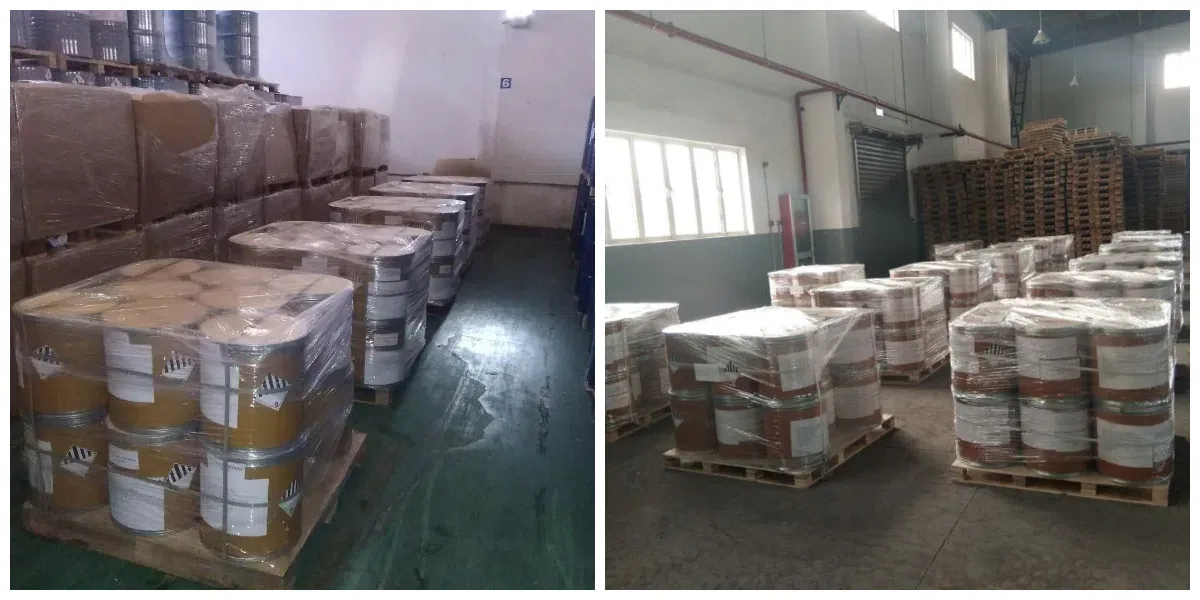
Our standard bulk package is 25kg sealed kraft drum with double PE inner bag to block moisture. Small trial packaging like 1kg or 5kg aluminum foil bags is available for laboratory testing and formula research. Custom packaging, customized labels and marking can be arranged for long-term partners. Since L‑carnitine is hygroscopic, all packages are well sealed to prevent moisture absorption and caking.
<h3>Shipping & Storage Notes</h3>
L‑Carnitine is non-hazardous goods, so the customs clearance process is relatively simple for sea, air and land transportation. For warehouse storage, place it in a cool, dry, shaded and well-ventilated area. Keep away from high humidity, direct sunlight, strong oxidants and high-temperature environments. Under proper sealed storage, its shelf life reaches 24 months.
<h2>Quality Control & Certifications</h2>
Each batch of L‑carnitine is fully inspected before shipment. Our QC test items cover purity, optical rotation, water content, heavy metals, loss on drying and microbial indicators. A COA (Certificate of Analysis) will be provided together with the shipment. Third-party inspection such as SGS can be arranged upon buyer’s request. We can supply supporting certificates including ISO, HALAL, KOSHER to satisfy different market access requirements.
<h2>Delivery Schedule</h2>
<h3>Fast Lead Time Arrangement</h3>
We keep regular stock to guarantee flexible delivery:
In-stock goods: Shipment can be arranged within 2–3 working days after order confirmation and payment.
New production orders: The production and preparation cycle takes 7–10 working days. Our sales team will update the production progress regularly for out-of-stock orders.
<h2>After‑sales & Technical Support</h2>
We provide complete after-sales service and technical guidance for all L‑carnitine buyers. Our technical team can share recommended dosage references, formulation suggestions, moisture-proof handling tips and SDS documents. If you encounter any quality problems, caking issues or formulation difficulties after receiving the cargo, please contact our sales engineer promptly. We will respond and offer practical solutions within 24 working hours. New customers can get free basic formulation consultation for supplements, beverages and feed premixes.
<h2>Customer Cooperation Cases</h2>
We maintain stable long-term cooperation with supplement manufacturers, beverage brands, pharmaceutical distributors and feed factories worldwide. One of our regular European clients is a dietary supplement manufacturer. They purchase food-grade L‑carnitine from us monthly for capsule and functional drink production. They value our stable optical rotation index and complete certification packages for EU market registration. Another partner is a large aquafeed producer in Southeast Asia. They adopt our L‑carnitine to optimize feed efficiency and prefer our steady bulk supply capacity and competitive pricing.
<h2>FAQ</h2>
<h3>Q1: What is the difference between L‑Carnitine Base (CAS 541‑15‑1) and L‑Carnitine L‑Tartrate?</h3>
A1: L‑Carnitine Base is the free-base form featured with high free carnitine content and excellent water solubility, more suitable for liquid products such as drinks and oral liquids. L‑Carnitine L‑Tartrate has better powder flowability and is widely used in solid tablets and hard capsules. You can select based on your finished product formula.
<h3>Q2: Why is L‑carnitine easy to cake?</h3>
A2: L‑carnitine is highly hygroscopic. Caking mainly occurs when the seal is damaged or stored in high-humidity warehouses. We suggest storing it in a low-humidity warehouse and sealing the package right after each use.
<h3>Q3: Can I get samples to test the formula before bulk purchase?</h3>
A3: Lab samples are available for your evaluation. We provide 100g to 1kg sample packs. Sample freight can be negotiated. Our MOQ for bulk order is 25kg.
<h3>Q4: What documents can you provide for import customs clearance?</h3>
A4: We provide commercial invoice, packing list, COA, SDS and bill of lading. Certificate of Origin, HALAL, KOSHER and other supporting certificates can be applied as required by your local customs and regulatory authorities.