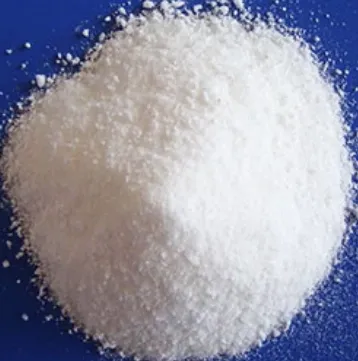
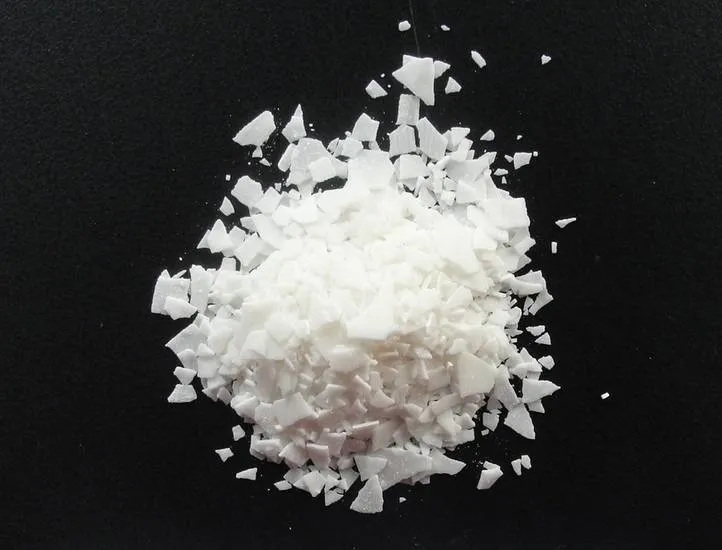
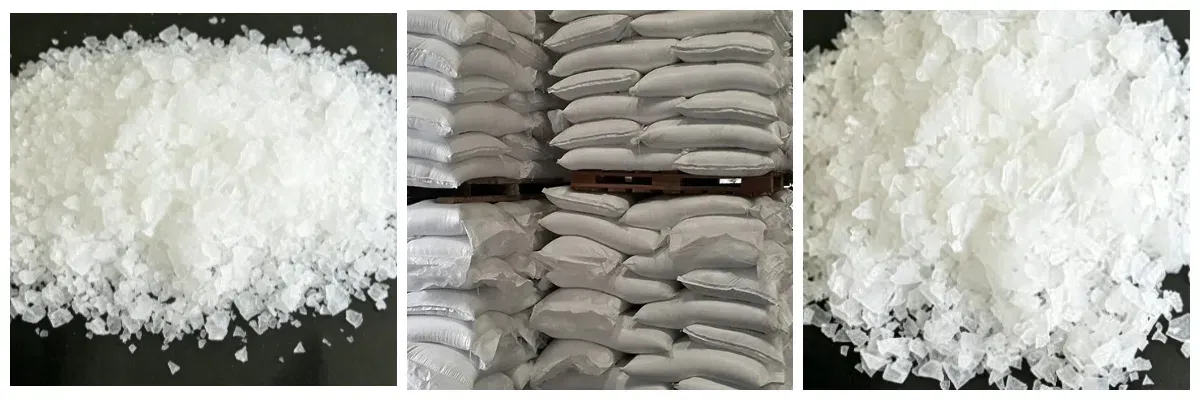
Sodium hydroxide, CAS No. 1310-73-2, commonly referred to as caustic soda or lye, is an inorganic strong alkali with the chemical formula NaOH. It appears as white solid flakes, pearls, pellets or blocks in commercial grades, featuring strong hygroscopicity and deliquescence when exposed to open air. It readily absorbs moisture and carbon dioxide from the atmosphere, forming sodium carbonate gradually. As a highly corrosive alkaline substance, it must be handled with proper personal protective equipment during production, transportation and application.
Sodium hydroxide is applied in small proportions within cosmetic formulations to adjust and stabilize the product pH value. It serves as a pH regulator in skincare and haircare formulas, neutralizing acidic raw materials to achieve the target pH range required for safe and stable cosmetic end products. Strict dosage control is mandatory in cosmetic-grade sodium hydroxide to avoid skin irritation caused by excess alkali.
This inorganic alkali ranks among the most fundamental and indispensable industrial chemicals with an extremely wide spectrum of applications across numerous sectors. It is one of the most widely used bases in the global chemical industry and can be found in many products closely related to people’s daily life.
One of its best-known household applications is in drain cleaning formulations. Many commercial drain cleaner brands contain sodium hydroxide as the core active ingredient, among which Drano is a classic representative. When dissolved in water, sodium hydroxide releases heat and reacts with grease, hair and organic blockages inside pipelines, breaking down organic residues to unclog blocked drains efficiently.
Besides drain cleaners, sodium hydroxide is the key raw material for lye soap manufacturing. In the saponification reaction, it reacts with animal or vegetable fats to produce soap and glycerin. Traditional lye soap has powerful detergency and can be used for multiple cleaning scenarios, ranging from dish washing and fabric laundry to facial cleansing.
Beyond household uses, sodium hydroxide also plays vital roles in many industrial fields: pulp and paper bleaching, textile mercerization, water treatment, petroleum refining, aluminium smelting, soap and detergent manufacturing, as well as food processing for peeling fruits and vegetables.
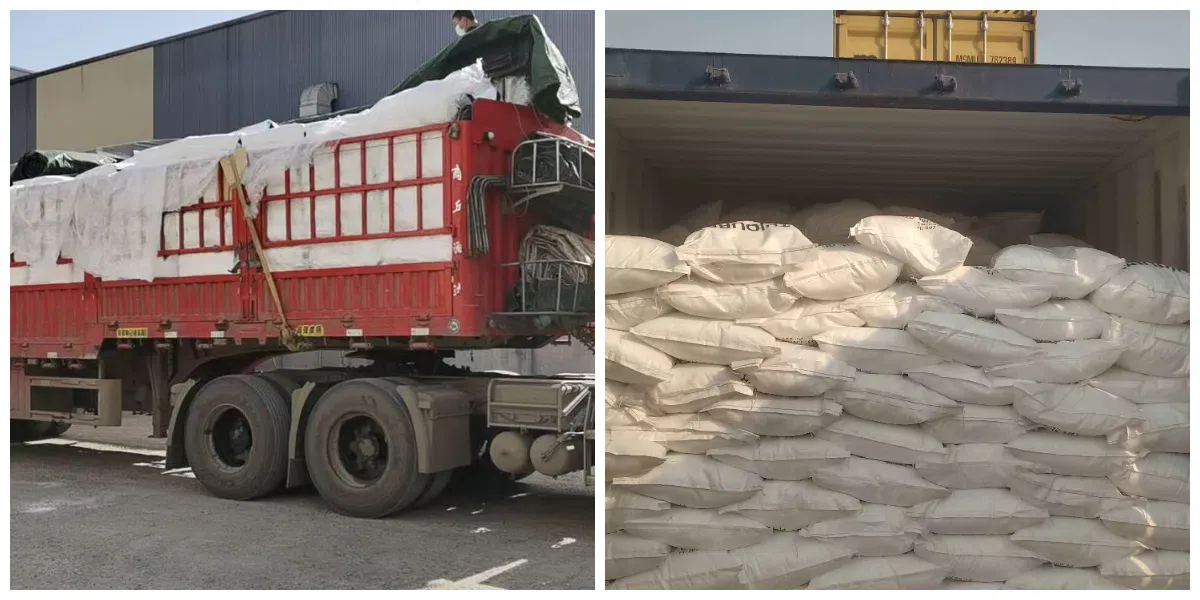
Due to its strong causticity, sodium hydroxide is classified as a hazardous chemical. Storage requires sealed packaging in dry, ventilated warehouses, separated from acids, organic materials and combustible substances. Leakage, skin contact or eye splash may cause severe chemical burns, so relevant SDS (Safety Data Sheet) guidelines should be fully followed during all operations.
| Sodium hydroxide Chemical Properties |
| Melting point | 681 °C(lit.) |
| Boiling point | 1390°C |
| density | 1.515 g/mL at 20 °C |
| vapor density | <1 (vs air) |
| vapor pressure | 1 mm Hg ( 745 °C) |
| refractive index | 1,473-1,475 |
| Fp | 176-178°C |
| storage temp. | room temp |
| solubility | H2O: 1 M at 20 °C, clear, colorless |
| form | beads |
| Specific Gravity | 2.13 |
| color | White |
| Odor | Odorless |
| PH | 10.98(1 mM solution);11.95(10 mM solution);12.88(100 mM solution); |
| PH Range | 13 - 14 |
| Water Solubility | SOLUBLE |
| λmax | λ: 260 nm Amax: 0.015 λ: 280 nm Amax: 0.01 |
| Sensitive | Air Sensitive & Hygroscopic |
| Decomposition | 176-178 ºC |
| Merck | 14,8627 |
| Exposure limits | TLV-TWA air 2 mg/m3 (OSHA); ceiling 2 mg/m3 (ACGIH) and 2 mg/m3/15 min (NIOSH). |
| Dielectric constant | 57.5(25℃) |
| Stability: | hygroscopic |
| Cosmetics Ingredients Functions | DENATURANT BUFFERING |
| InChI | 1S/Na.H2O/h;1H2/q+1;/p-1 |
| InChIKey | HEMHJVSKTPXQMS-UHFFFAOYSA-M |
| SMILES | [OH-].[Na+] |
| CAS DataBase Reference | 1310-73-2(CAS DataBase Reference) |
| NIST Chemistry Reference | Sodium hydroxide(1310-73-2) |
| EPA Substance Registry System | Sodium hydroxide (1310-73-2) |
| Safety Information |
| Hazard Codes | C,Xi |
| Risk Statements | 36/38-35-34 |
| Safety Statements | 26-45-37/39-24/25-36/37/39 |
| RIDADR | UN 1823 8/PG II (SODIUM HYDROXIDE, SOLID) |
| RIDADR | UN 1824 8/PG II/III (SODIUM HYDROXIDE SOLUTION) |
| OEL | Ceiling: 2 mg/m3 |
| WGK Germany | 1 |
| RTECS | TT2975000 |
| F | 8 |
| TSCA | TSCA listed |
| HS Code | 2815 11 00 |
| HazardClass | 8 |
| PackingGroup | II |
| Storage Class | 8B - Non-combustible corrosive hazardous materials |
| Hazard Classifications | Eye Dam. 1 Met. Corr. 1 Skin Corr. 1A |
| Hazardous Substances Data | 1310-73-2(Hazardous Substances Data) |
| Toxicity | LD orally in rabbits: 500 mg/kg (10% soln) (Fazekas) |
| IDLA | 10 mg/m3 |