1. Basic Product Information
· CAS Number: 1310-73-2
· Chemical Formula: NaOH
· Synonyms: Sodium hydroxide solution, caustic flake, reagent grade sodium hydroxide solution
· Appearance: White flakes/granules
· HS Code: 2815 11 00
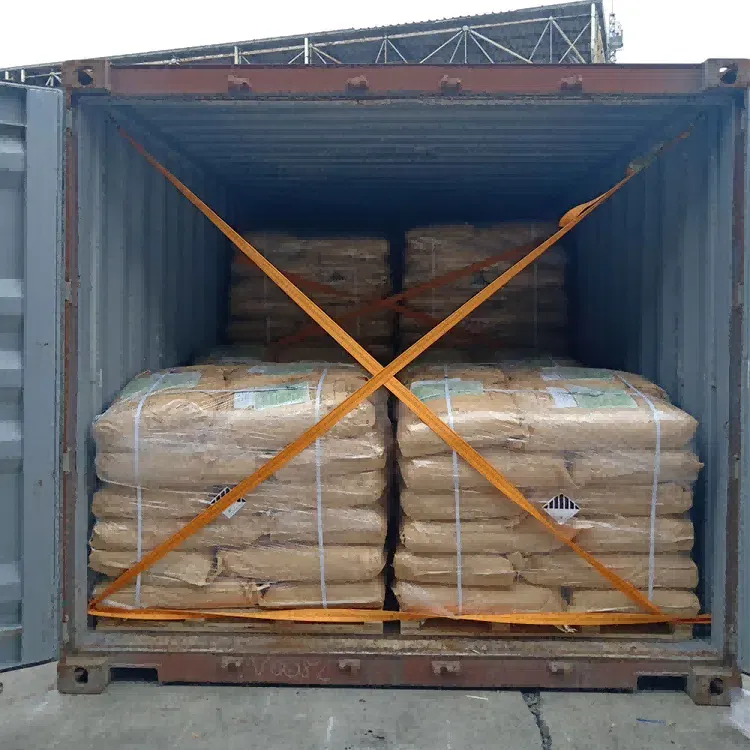
· MOQ (Minimum Order Quantity): 1 FCL (Full Container Load)
2. Product Description
Sodium hydroxide, commonly called caustic soda, is a strong, highly corrosive base. It typically appears as white flakes or beads. It dissolves readily in water to form alkaline solutions and is also soluble in methanol and ethanol. This chemical is hygroscopic and deliquescent, absorbing moisture and acidic gases (e.g., carbon dioxide) from air. As a widely used industrial chemical, it serves as an essential material in many manufacturing processes.
3. Physical and Chemical Properties
| Parameter | Specification |
| Melting Point | 681 °C (lit.) |
| Boiling Point | 1390 °C |
| Density | 1.515 g/mL at 20 °C |
| Vapor Density | <1 (vs air) |
| Vapor Pressure | 1 mm Hg (745 °C) |
| Refractive Index | 1.473–1.475 |
| Flash Point | 176–178 °C |
| Storage Temperature | Room temperature |
| Solubility | H₂O: 1 M at 20 °C (clear, colorless); fully water-soluble |
| Form | Beads/Flakes |
| Color | White |
| Specific Gravity | 2.13 |
| pH Range | 13–14 |
| pH Values | 10.98 (1 mM); 11.95 (10 mM); 12.88 (100 mM) |
| Odor | Odorless |
| λmax | λ:260 nm Amax:0.015; λ:280 nm Amax:0.01 |
| Decomposition Temperature | 176–178 °C |
| Sensitivity | Air-sensitive & hygroscopic |
| Dielectric Constant | 57.5 (25 °C) |
| Exposure Limits | TLV-TWA: 2 mg/m³ (OSHA); ceiling: 2 mg/m³ (ACGIH/NIOSH) |
| Stability | Hygroscopic |
4. Safety Information
| Item | Details |
| Hazard Codes | C, Xi |
| Risk Statements | 36/38-35-34 |
| Safety Statements | 26-45-37/39-24/25-36/37/39 |
| RID/ADR | UN 1824 8/PG 2 |
| OEL | Ceiling: 2 mg/m³ |
| WGK Germany | 1 |
| RTECS | TT2975000 |
| TSCA | Listed |
| Hazard Class | 8 |
| Packing Group | II |
| Toxicity | LD₅₀ (rabbit, oral): 500 mg/kg (10% solution) |
| IDLH | 10 mg/m³ |
5. Product Applications
Sodium hydroxide has extensive industrial and laboratory uses. In labs, it acts as a standard reagent and an alkaline desiccant due to strong hygroscopicity. It is widely consumed across industries: chemical manufacturing, papermaking, aluminum/tungsten smelting, rayon & synthetic fiber production, and soap/detergent manufacturing. It is also used in dye synthesis, plastics, pharmaceuticals, organic intermediates, rubber recycling, gold refining, water electrolysis, and inorganic salt production (borax, chromates, manganates, phosphates). It complies with multiple quality standards: GB209-2006 (industrial), GB/T11199-89 (ion-exchange membrane), GB11212-89 (chemical fiber), GB5175-85 (food grade).
6. Delivery Information
· Stock orders: 2–3 working days
· Custom production: 7–10 working days
· Fast and stable delivery supported