Polyethylene-polypropylene glycol | Pluronic® F-127
CAS#:9003-11-6
Pluronic® F-127, also named Polyethylene-polypropylene glycol block copolymer, is a high-performance nonionic surfactant / nonionic detergent. It is widely applied in biochemistry and cell biology research to solubilize hydrophobic molecules.
Common hydrophobic compounds it can solubilize include cell-permeable AM esters of Fluo-4, Fluorica-8 calcium indicators, Di-4-ANEPS and Di-8-ANEPS potentiometric probes. Pluronic F-127 greatly improves the solubility of these lipophilic dyes and facilitates their efficient loading into living cells.
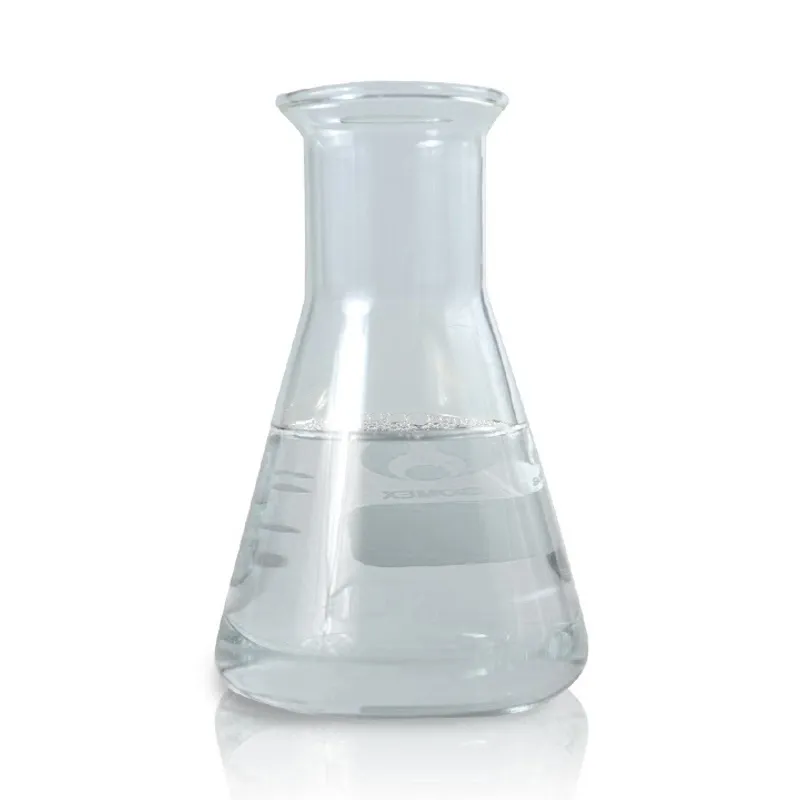
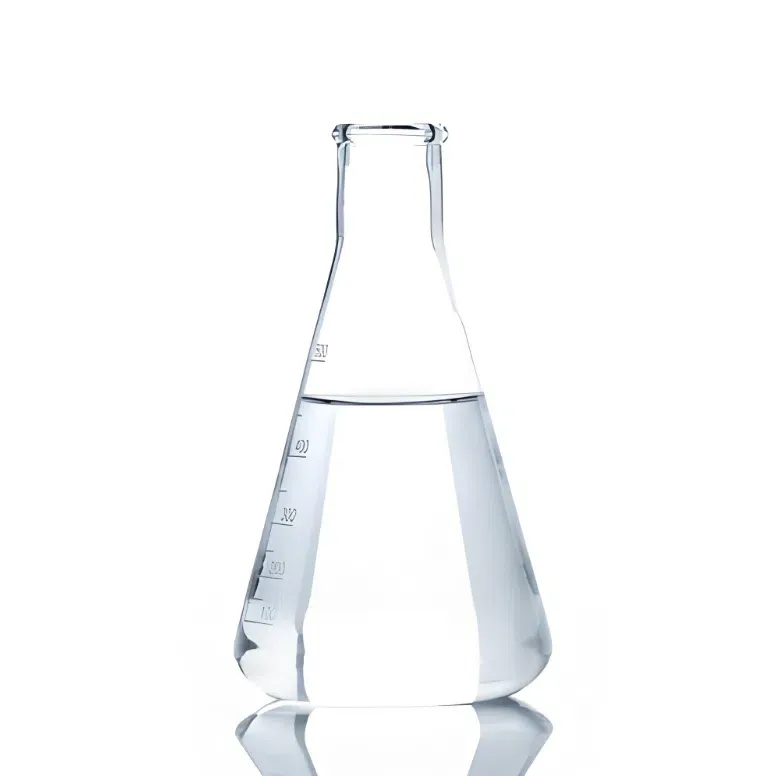
Our product is supplied as a ready-to-use 10% aqueous solution (10% solution in H₂O). No extra dissolution work is required, which saves preparation time and reduces experimental error for lab users.
Recommended Protocol for Cell Loading
Below is a typical standard procedure for loading AM esters of ion indicators and other fluorescent dyes into cells using our 10% Pluronic® F-127 aqueous solution.
Important Note: Cell loading conditions are not universal. Incubation time, working concentration, temperature and buffer selection may vary significantly depending on specific cell types, target compounds and experimental objectives. Optimization of parameters is suggested before formal experiments.
Key Product Features
Non-toxic to most mammalian cells at working concentration
Excellent solubilizing capacity for lipophilic fluorescent probes & AM ester dyes
Pre-formulated 10% water solution, convenient and stable
Low autofluorescence, will not interfere with fluorescence detection
Common Application Fields
Cell calcium imaging, membrane potential measurement, live cell fluorescence staining, biopharmaceutical formulation, drug delivery carrier, biochemical research.
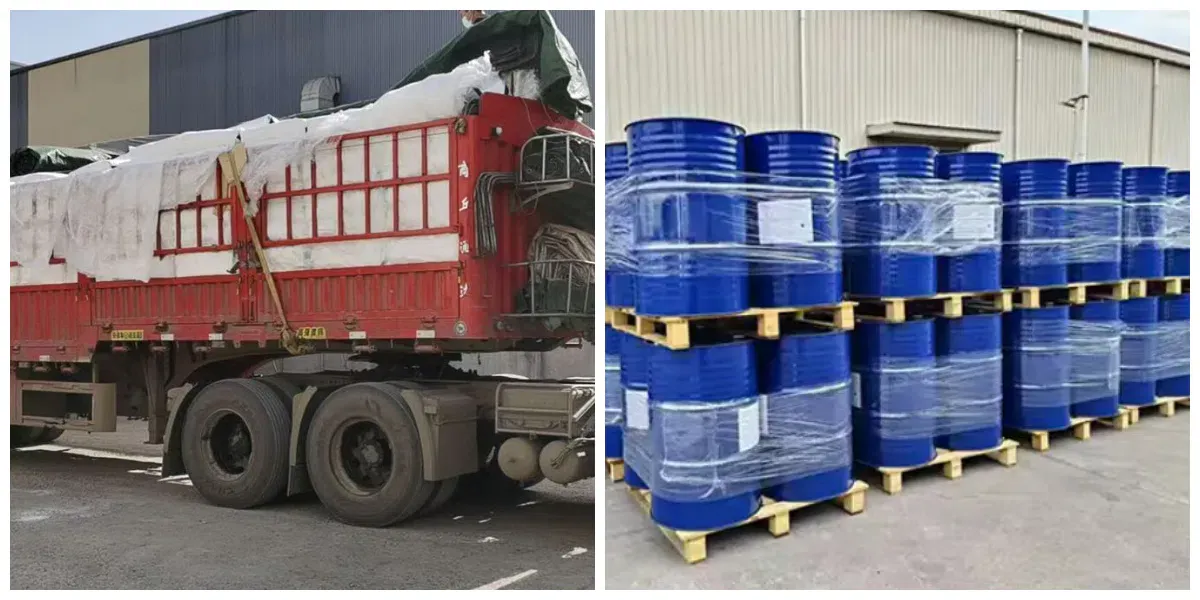
We can provide full supporting documents including COA, TDS and MSDS. Please send your inquiry for quotation, packing specification and technical guidance.
| Polyethylene-polypropylene glycol Chemical Properties |
| Melting point | 57-61 °C |
| Boiling point | >200 °C(lit.) |
| bulk density | 1050kg/m3 |
| density | 1.095 g/mL at 25 °C |
| vapor density | >1 (vs air) |
| vapor pressure | <0.3 mm Hg ( 20 °C) |
| refractive index | n |
| Fp | >230 °F |
| storage temp. | 2-8°C |
| solubility | H2O: at <70 °Csoluble |
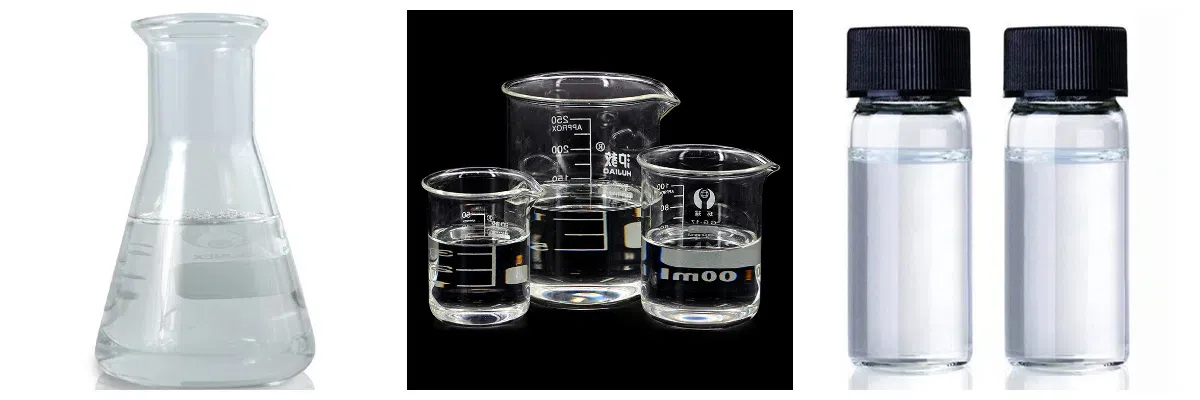
| form | solution |
| color | APHA: ≤120, 50/50 in CH3OH |
| PH | 5.0-7.5 (100g/L in H2O) |
| PH Range | 5.0 - 7.5 |
| biological source | synthetic |
| Water Solubility | Miscible with water. |
| λmax | λ: 260 nm Amax: ≤0.3 λ: 280 nm Amax: ≤0..2 |
| Merck | 13,7644 |
| Hydrophilic-Lipophilic Balance (HLB) | 18 - 23 |
| Cosmetics Ingredients Functions | SURFACTANT - CLEANSING SURFACTANT - HYDROTROPE CLEANSING SOLVENT HUMECTANT EMULSION STABILISING BINDING SURFACTANT - EMULSIFYING VISCOSITY CONTROLLING |
| InChI | 1S/C3H6O.C2H4O/c1-3-2-4-3;1-2-3-1/h3H,2H2,1H3;1-2H2 |
| InChIKey | RVGRUAULSDPKGF-UHFFFAOYSA-N |
| SMILES | O2C(C2)C.O1CC1 |
| LogP | -1.293 (est) |
| EPA Substance Registry System | Poloxalene (9003-11-6) |
| Safety Information |
| Hazard Codes | T |
| Risk Statements | 21-23/24/25-25-36/37/38 |
| Safety Statements | 23-24/25-45-36/37/39-26 |
| WGK Germany | 3 |
| RTECS | TP6164333 |
| TSCA | TSCA listed |
| HS Code | 39059100 |
| Storage Class | 11 - Combustible Solids |
| Hazardous Substances Data | 9003-11-6(Hazardous Substances Data) |
| Toxicity | LD50 oral in rabbit: 35gm/kg |