Benzyl Chloride Overview
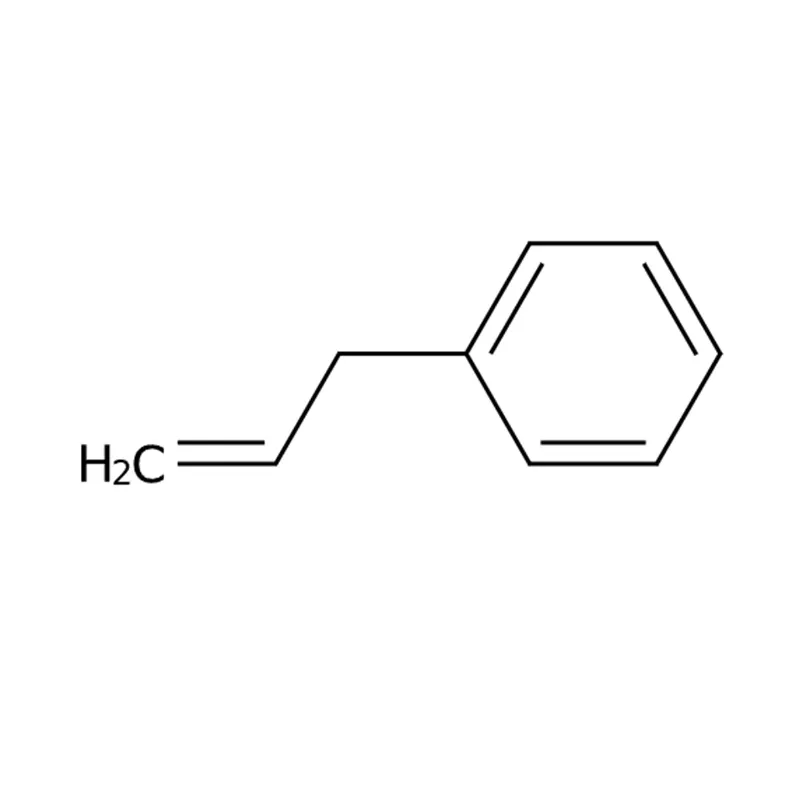
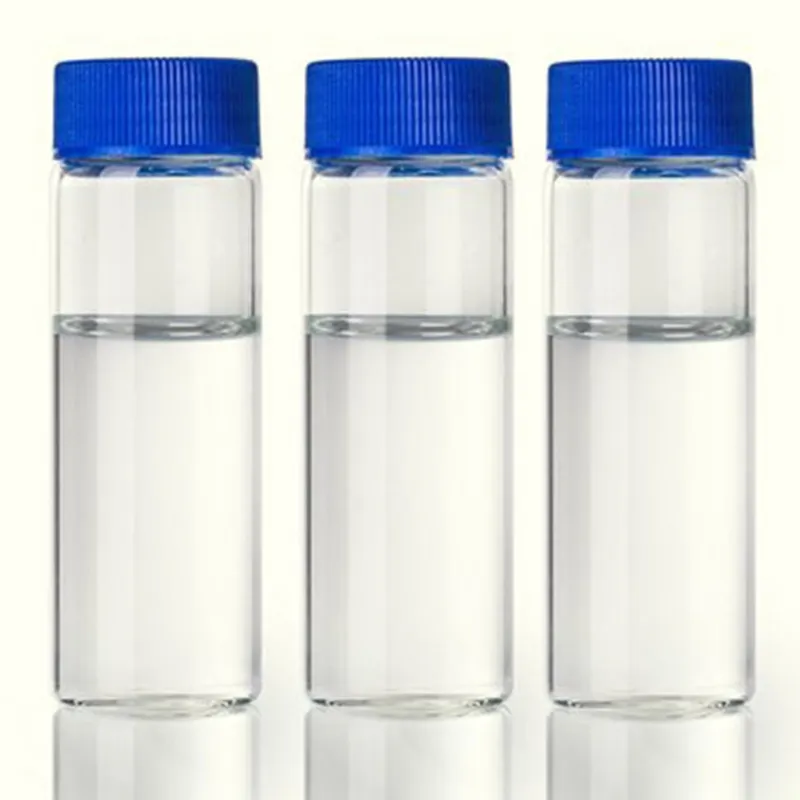
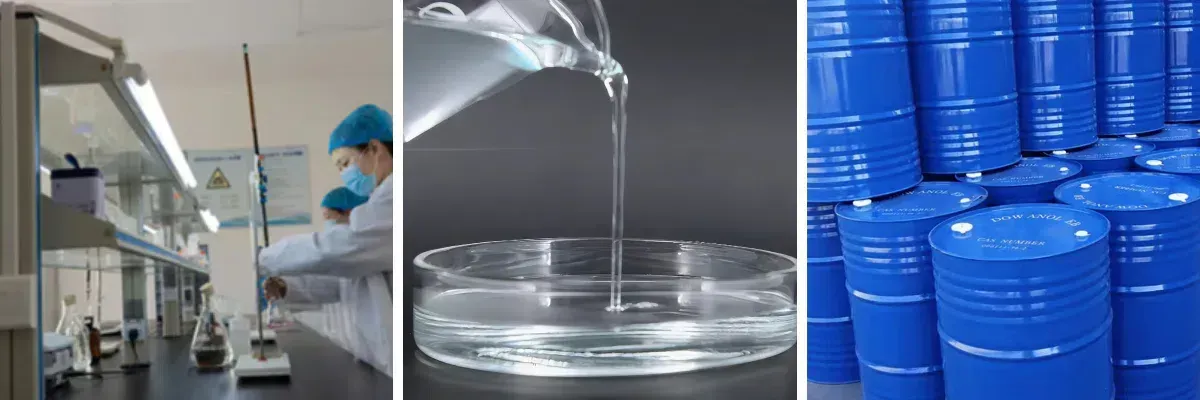
Benzyl chloride is a halogenated organic hydrocarbon characterized by its flammable, toxic and corrosive properties. It presents itself as a clear liquid, varying from colorless to pale yellow, and emits a strong pungent odor. The active benzyl groups in its molecular framework endow it with high chemical reactivity, making it a valuable intermediate in organic synthesis.
Insoluble in water, benzyl chloride is readily miscible with most conventional organic solvents like ethanol, ether, benzene and dichloromethane. With its ability to effectively dissolve diverse organic substances including oils and resins, it is occasionally deployed as a solvent in specialized industrial applications.
Product Applications
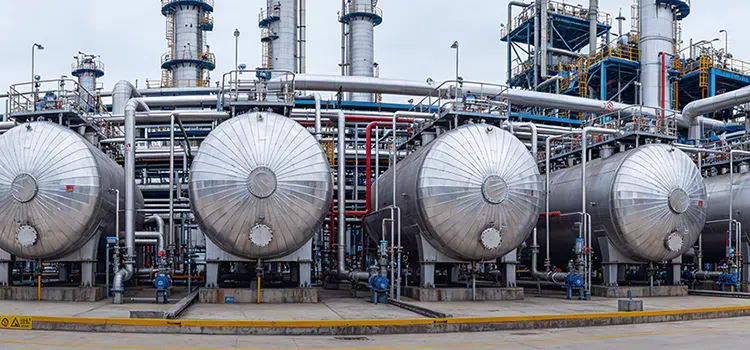
Benzyl chloride is mainly used as a pharmaceutical intermediate, as well as a raw material in the dye, pigment, fragrance and daily chemical industries. It also serves important functions in the plastics and rubber sectors, where it acts as a key feedstock for synthesizing PVC stabilizers and rubber vulcanization accelerators. In addition, it is applied in the pesticide industry for manufacturing insecticides and herbicides. To a lesser degree, it is utilized as a solvent in organic synthesis and as a raw material for electronic chemicals production.
| Melting point | -39 °C |
| Boiling point | 179 °C |
| Density | 1.1 g/mL at 25 °C(lit.) |
| Vapor density | 4.36 (vs air) |
| Vapor pressure | 10.3 mm Hg ( 60 °C) |
| Refractive index | n20/D 1.538(lit.) |
| Fp | 165 °F |
| Storage temp | Store below +30°C. |
| Solubility | Soluble0.46g/L at 30°C (Decomposes in contact with water) |
| Form | Liquid |
| Color | Clear colorless to slightly yellow |
| Odor | Pungent, irritating. |
| Explosive limit | 1.1-14%(V) |
| Water Solubility | 0.3 g/L (20 ºC) |
| Merck | 14,1129 |
| BRN | 471308 |
| Henry's Law Constant | (x 10-4 atm?m3/mol): 3.57 at 20.00 °C (inert gas stripping, Hovorka and Dohnal, 1997) |
| Exposure limits | TLV-TWA 1 ppm (~5mg/m3) (ACGIH, MSHA, and OSHA); IDLH 10 ppm (NIOSH); carcinogenicity: Animal Limited Evidence, Human Inadequate Evidence (IARC). |
| Dielectric constant | 7.0(13℃) |
| Stability | Unstable - inhibitors such as propylene oxide or trimethylamine are usually added to prevent polymerization. Combustible. Incompatible with strong oxidizing agents, water, acids, most common metals, dimethyl sulfoxide. Above flash pointvapour- air mixtures are explosive within the limits noted above. Contact with water produces toxic fumes. |
| InChIKey | KCXMKQUNVWSEMD-UHFFFAOYSA-N |
| LogP | 2.3 at 20℃ and pH7 |
| Surface tension | 39.36mN/m at 298.15K |
| CAS DataBase Reference | 100-44-7(CAS DataBase Reference) |
| NIST Chemistry Reference | Benzyl chloride(100-44-7) |
| IARC | 2A (Vol. 29, Sup 7, 71) 1999 |
| EPA Substance Registry System | Benzyl chloride (100-44-7) |
Safety Information
| Hazard Codes | T,T+ |
| Risk Statements | 45-22-23-37/38-41-48/22-43-26-46 |
| Safety Statements | 53-45-36/37/39-28-26-36/37 |
| OEL | Ceiling: 1 ppm (5 mg/m3) [15-minute] |
| RIDADR | UN 1738 6.1/PG 2 |
| WGK Germany | 3 |
| RTECS | XS8925000 |
| F | 8-19 |
| Autoignition Temperature | 585 °C |
| TSCA | Yes |
| HazardClass | 6.1 |
| PackingGroup | II |
| HS Code | 29039990 |
| Hazardous Substances Data | 100-44-7(Hazardous Substances Data) |
| Toxicity | LD50 orally in Rabbit: 440 mg/kg |
| IDLA | 10 ppm |