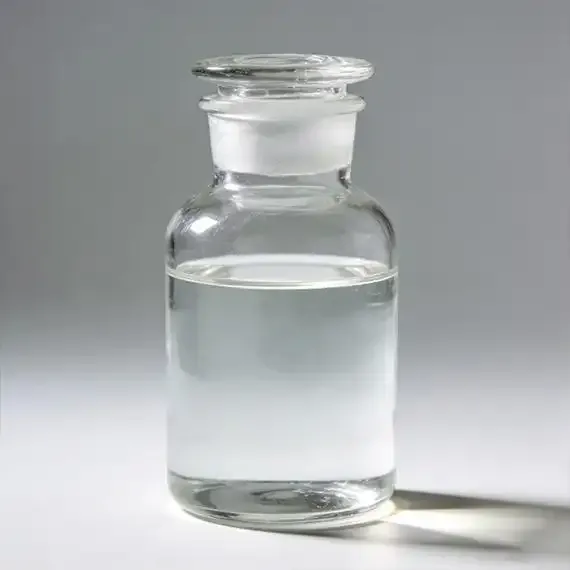
Products Description of Propylene glycol CAS#57-55-6
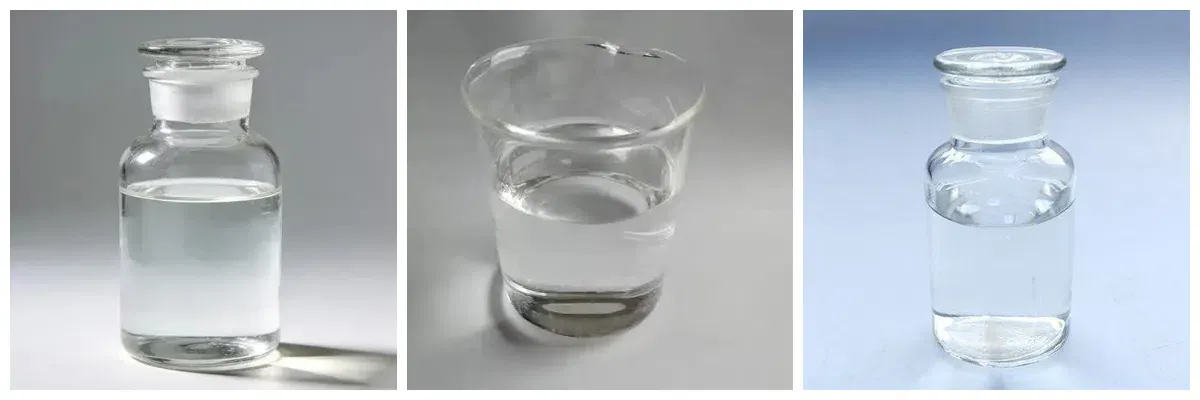
1,2-Propanediol, commonly known as propylene glycol (CAS 57-55-6). Our industrial grade product has a minimum purity of ≥99.5%. It is a colourless, viscous liquid, nearly odourless with a faint sweet taste. Its melting point is -59℃ and boiling point reaches 187℃. At 20℃, the vapour pressure is 0.011kPa, and the relative density is 1.036. At 25℃, it is fully miscible with water in any ratio, and can also blend homogenously with the majority of common organic solvents.
This chemical delivers reliable stability under regular storage and operating conditions. However, it is not compatible with strong oxidizing agents, so direct contact with such substances should be strictly avoided. Thanks to its excellent solvency and humectant characteristics, propylene glycol serves as a multi-functional raw material widely used as solvent, humectant, antifreeze and carrier across diverse industrial applications. Batch quality is well-controlled to maintain stable performance for customer formulation tests and mass production.
Parameters
Melting point | -60 °C (lit.) |
Boiling point | 187 °C (lit.) |
density | 1.036 g/mL at 25 °C (lit.) |
vapor density | 2.62 (vs air) |
vapor pressure | 0.08 mm Hg ( 20 °C) |
refractive index | n |
FEMA | 2940 | PROPYLENE GLYCOL |
Fp | 225 °F |
storage temp. | Store at +5°C to +30°C. |
solubility | Chloroform (Slightly), Ethyl Acetate (Slightly), Methanol (Slightly) |
pka | 14.49±0.20(Predicted) |
form | Viscous Liquid |
color | APHA: ≤10 |
Specific Gravity | 1.038 (20/20℃)1.036~1.040 |
PH | 6-8 (100g/l, H2O, 20℃) |
Odor | at 100.00 %. odorless very slight alcoholic |
Odor Type | odorless |
Optical Rotation | -0.11° (C=1.00g/100ml, CHCL3) |
biological source | synthetic |
explosive limit | 2.4-17.4%(V) |
Water Solubility | miscible |
Sensitive | Hygroscopic |
Merck | 14,7855 |
JECFA Number | 925 |
BRN | 1340498 |
Dielectric constant | 32.0 |
InChIKey | DNIAPMSPPWPWGF-UHFFFAOYSA-N |
LogP | -0.92 |
Surface tension | 35.44mN/m at 298.15K |
CAS DataBase Reference | 57-55-6(CAS DataBase Reference) |
NIST Chemistry Reference | Propylene glycol(57-55-6) |
EPA Substance Registry System | Propylene glycol (57-55-6) |
Safety Information
Safety Statements | 24/25 |
WGK Germany | 1 |
RTECS | TY2000000 |
Autoignition Temperature | 779 °F |
TSCA | Yes |
HS Code | 29053200 |
Hazardous Substances Data | 57-55-6(Hazardous Substances Data) |
Toxicity | LD50 orally in Rabbit: 19400 - 36000 mg/kg LD50 dermal Rabbit 20800 mg/kg |
Product Application of Propylene glycol CAS#57-55-6
H2: Product Basic Information
H3: Basic Specifications
Propylene glycol (CAS#57-55-6), also named propane-1,2-diol, is a clear, colorless, slightly viscous liquid with mild sweet taste. It is miscible with water, ethanol and many organic solvents, featuring stable chemical property under normal temperature. It belongs to dihydric alcohol and has low volatility.
H3: Product Grade Classification
We supply multiple grades of propylene glycol to match diverse industrial demands, including Industrial Grade, Food Grade, and Pharma Grade. Different grades are strictly separated in production, testing and warehousing to guarantee purity and compliance with corresponding industry standards.
H2: Main Product Applications
H3: Resin & Composite Material Industry
Propylene glycol is a key raw material for unsaturated polyester, epoxy resin, and polyurethane resin. Consumption in this sector takes up approximately 45% of total propylene glycol consumption. The manufactured unsaturated polyester is widely applied in fiber-reinforced plastics, surface coatings, casting materials and architectural composite parts. It helps improve resin flexibility, reduce shrinkage and enhance coating adhesion.
H3: Food Industry
Benefiting from non-toxic property, good hygroscopicity and solubility, it acts as humectant, solvent, flavor carrier and food preservative auxiliary. It is commonly used in bakery, candy, beverage, food essence and food colorant to prevent product drying and keep stable texture.
H3: Pharmaceutical Industry
It serves as solvent, humectant, antifreeze and carrier for oral preparations, topical ointments, injections and disinfectant formulations. It can dissolve many active pharmaceutical ingredients and improve the spreadability of external medicines.
H3: Cosmetic & Personal Care Industry
It is one of the classic humectants for skincare, haircare and makeup products. It retains skin moisture, improves product viscosity and stabilizes formulation system, widely added into creams, lotions, shampoos, facial masks and makeup bases.
H3: Other Industrial Scenarios
It can be used as antifreeze agent for industrial circulating cooling systems, lubricant for textile processing, plasticizer, solvent for printing ink, and de-icing fluid auxiliary for aircraft. It has lower corrosivity compared with traditional antifreeze raw materials.
H2: Packaging & Transportation
H3: Packaging Options
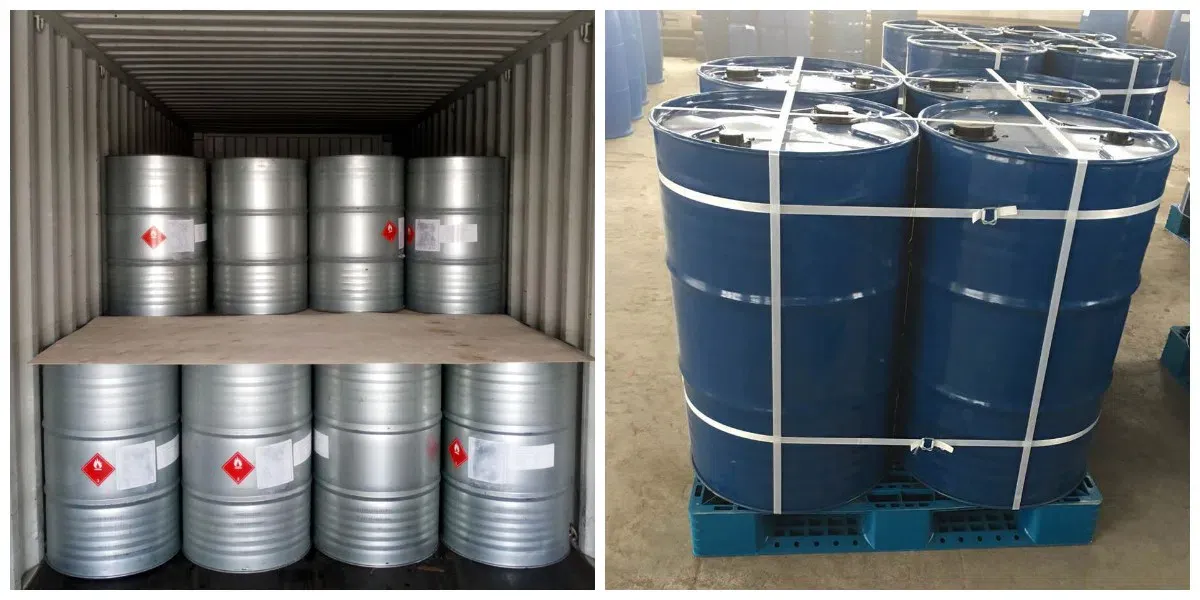
Standard package: 215kg per blue iron drum. Customized packing solutions such as IBC tote tank (1000kg) can be provided upon client request. All drums are sealed tightly with leak-proof gaskets to avoid leakage during transit.
H3: Transportation Requirements
Propylene glycol is non-dangerous goods for regular sea, land and air shipment. Keep away from strong oxidants and open flame during transport. Store in cool, dry and ventilated warehouse, avoid direct sunlight and high temperature environment.
H3: Storage Notice
Seal containers when not in use. The recommended storage temperature is 10–30℃. Shelf life is 24 months under proper storage conditions.
H2: Delivery Schedule
H3: In-Stock Goods
Goods available in warehouse can be arranged for shipment within 2–3 working days after receiving deposit or L/C.
H3: Newly Produced Batch
For newly manufactured production order, production and loading cycle is 7–10 working days. We will update production progress regularly for clients.
H3: Shipment Arrangement
We can cooperate with clients on EXW, FOB, CIF and other trade terms. We will arrange inspection, container loading and document preparation synchronously.
H2: After-sales Service
H3: Technical Support
Our technical team offers free formulation consultation and product usage guidance. If you have questions about dosage, compatibility or formulation adjustment, our specialists can provide professional suggestions.
H3: Quality Complaint Handling
Once quality issue is confirmed after receiving goods, please provide photos, COA and sample test report. We will respond within 24 hours and negotiate proper solutions such as re-delivery, discount or compensation according to contract terms.
H3: Document Supply
We can supply full set of shipping documents including Commercial Invoice, Packing List, Bill of Lading, COA, MSDS, certificate of origin and other certification files as requested for customs clearance.
H2: Customer Cases
H3: Resin Manufacturer Client
A composite materials factory from Southeast Asia purchases industrial grade propylene glycol steadily for unsaturated polyester production. Our stable supply and consistent purity help them reduce batch fluctuation of finished reinforced plastic products.
H3: Cosmetic Formulator Client
Multiple cosmetic factories select our food & pharma grade propylene glycol as humectant raw material. Our products meet cosmetic raw material requirements and pass third-party testing for heavy metal and impurity items.
H3: Food Additive Distributor
Food ingredient importers in Middle East buy our food grade propylene glycol for essence and beverage formulation. We provide qualified food safety documents to support their local customs clearance.
H2: FAQ
H3: Q1: What is the difference between food grade and industrial grade propylene glycol?
A: Food grade has stricter control on impurities, heavy metals and volatile substances, suitable for food, cosmetic and pharma fields. Industrial grade is mainly for resin, coating and antifreeze application, not allowed to contact food directly.
H3: Q2: Can you provide COA and MSDS?
A: Yes. COA will be issued together with each batch of goods. MSDS can be sent before shipment for your risk assessment and customs filing.
H3: Q3: Is propylene glycol hazardous chemical?
A: Propylene glycol CAS#57-55-6 is not classified as dangerous chemical for common transport. However, please follow MSDS safety operation during handling.
H3: Q4: What is your MOQ?
A: MOQ depends on package type. 215kg drum MOQ is one pallet. IBC tank MOQ can be negotiated for large orders.
H3: Q5: Can we arrange sample for testing?
A: Yes, small lab samples are available for quality test. Sample freight can be discussed separately.
H2: Quality Control
H3: Batch Inspection
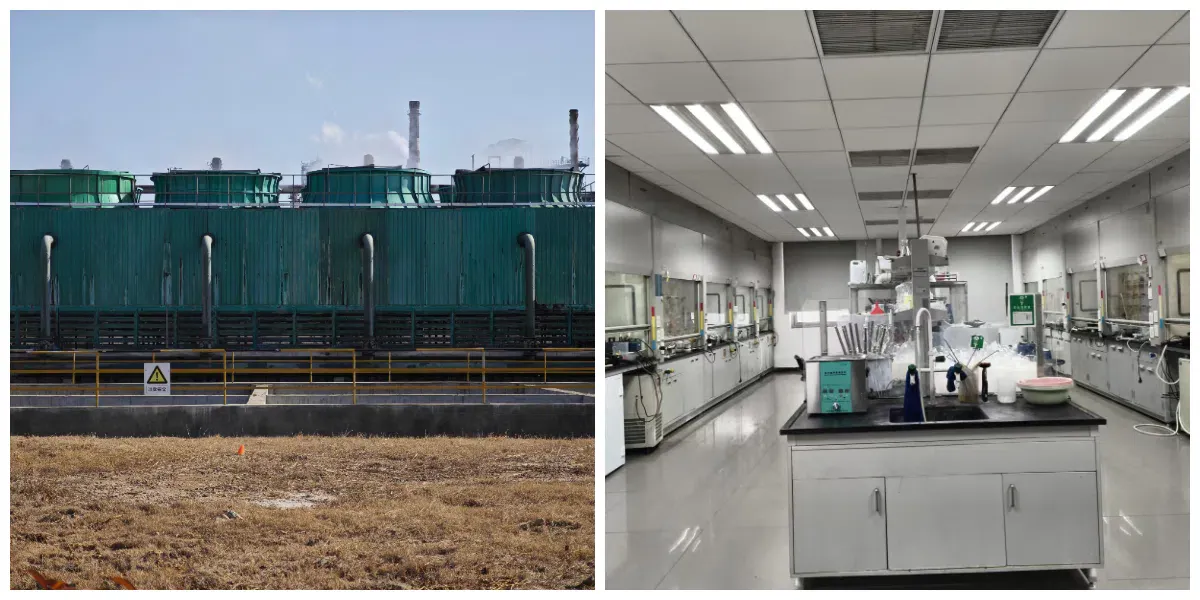
Every production batch will go through lab inspection before delivery. Testing items include purity, moisture, refractive index, density, acidity and color. Only qualified batch can be released.
H3: Third-party Test Support
If required by clients, we can support third-party inspection before loading, such as SGS or other designated inspection institutions.
H3: Quality Consistency
We adopt stable raw material source and fixed production process to minimize batch-to-batch difference, to keep stable quality for long-term bulk orders.