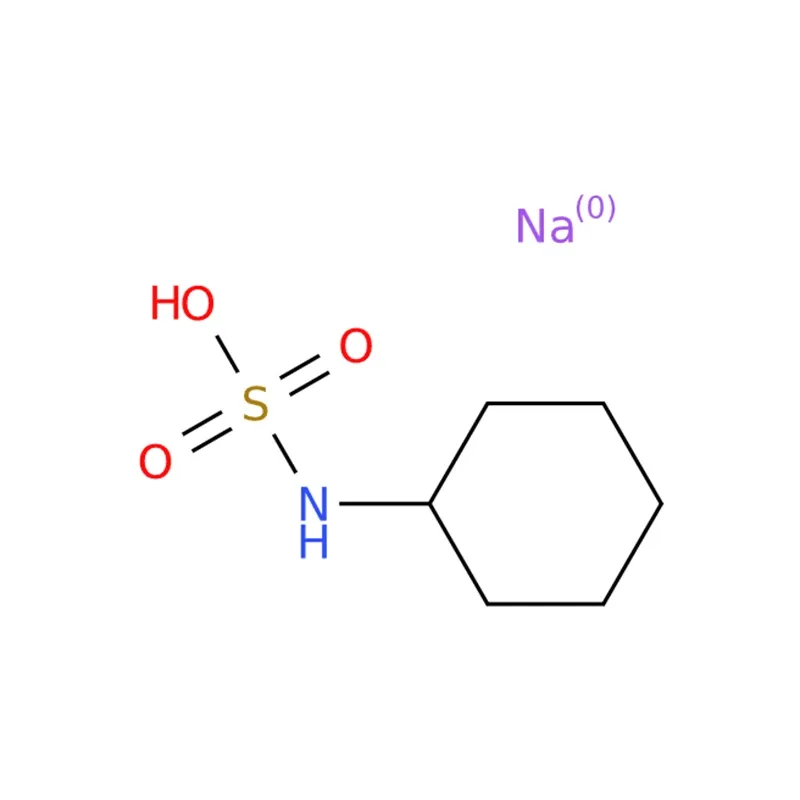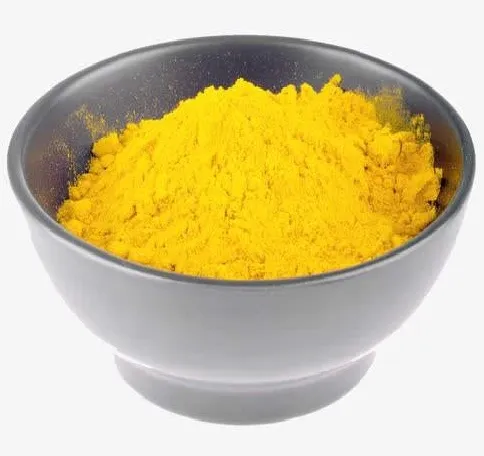
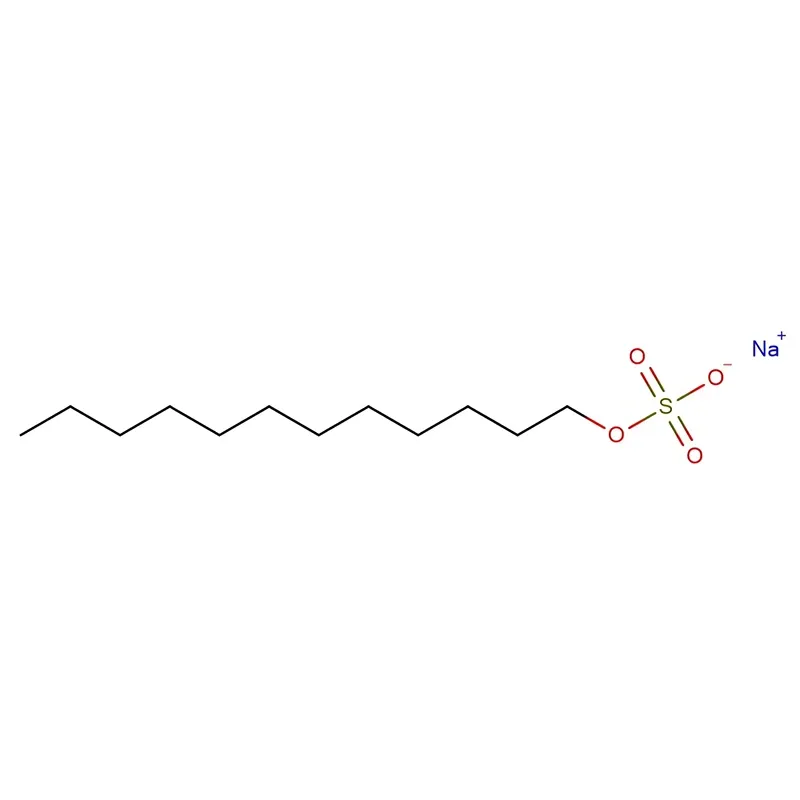
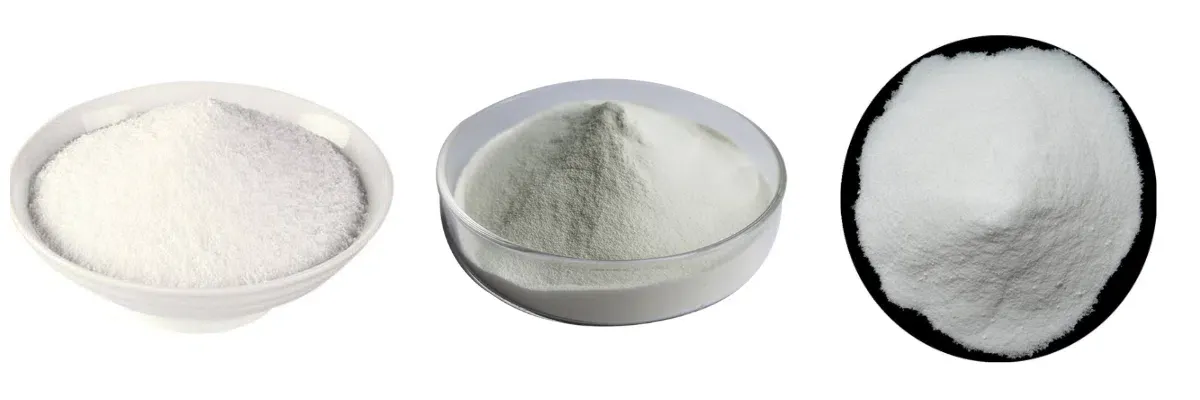
Sodium Dodecyl Sulfate, commonly abbreviated as SDS or SLS. Its chemical molecular formula is C₁₂H₂₅NaO₄S, composed of hydrophobic dodecyl alkyl chains and hydrophilic sulfate sodium groups, which endows the product with excellent amphipathic molecular structure and surface activity.In terms of physical properties, it appears as white or pale yellow crystalline powder with a slight fatty odor. It dissolves rapidly in cold and hot water, is slightly soluble in ethanol, and completely insoluble in ether and oily solvents. It has good wettability and low viscosity in aqueous solution, easy for formula preparation and industrial operation.
Chemically, the product features excellent alkali resistance, hard water resistance and high chemical stability under a wide pH range. It does not deteriorate or lose activity in conventional alkaline and hard water environments. It has good compatibility with most anionic and nonionic surfactants, and can produce obvious synergistic effects after compounding. In addition, it is readily biodegradable with low environmental pollution, meeting global environmental protection standards.
This product has outstanding comprehensive application advantages. It possesses powerful and stable foaming capacity to produce rich and delicate foam. It also shows excellent detergency, emulsification, wetting and penetration performance, which can effectively remove grease and stubborn dirt. With fast water solubility, wide formula compatibility and high cost performance, it is one of the most cost-effective general-purpose surfactants in the industry.Widely applied in daily detergents, personal care products, toothpaste, textile additives, industrial emulsifiers, mineral flotation and polymer polymerization industries. It is also an essential core reagent for protein denaturation and separation in biochemical laboratory experiments.
Key Properties and Specifications
| Parameter | Value/Range |
| Molecular Weight | 288.38 g/mol |
| CMC (25°C) | 8.2 mM (0.24 wt%) |
| Surface Tension | 39.5 mN/m (at CMC) |
| Krafft Point | 16°C (critical solubility) |
| pH (10% sol.) | 7.0-9.5 |
| Bulk Density | 0.45-0.65 g/cm³ |
| Melting Point | 204-207°C (decomp.) |
Performance Characteristics
| Property | Technical Advantage |
| Foaming Capacity | 180-220 mL (Ross-Miles, 0.1% sol.) |
| Foam Stability | 85% retention after 5 min |
| Emulsification | HLB 40 (O/W systems) |
| Wetting Time | 5 sec (Draves test, 0.1% sol.) |
| Biodegradation | 98% (OECD 301D, 28 days) |
| Critical Packing | Parameter (CPP): 0.33 (spherical micelles) |
Packaging and Handling
| Format | Specifications |
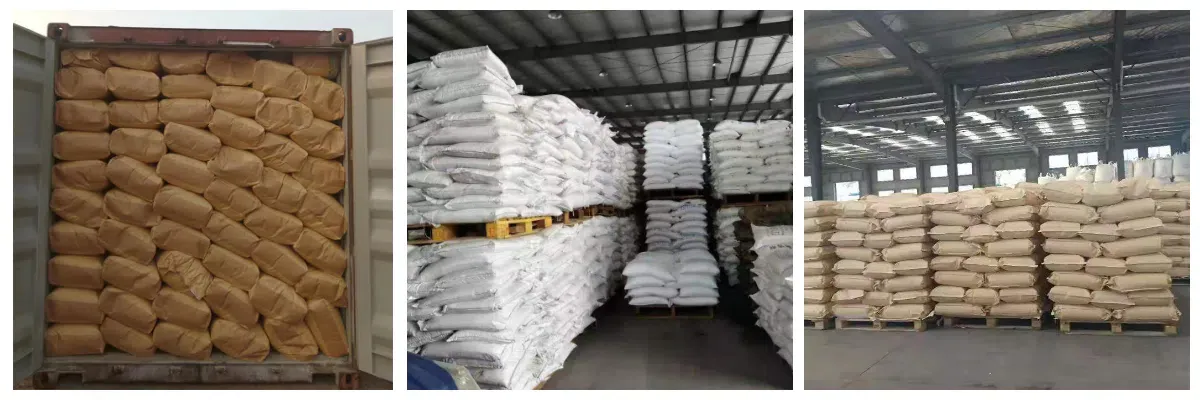
| Bags | 25 kg PE-lined kraft paper |
| Drums | 180 kg fiberboard with poly liner |
| Liquid Grades | 30% solution in IBCs (1,000 L) |
| Storage: <25°C/60% RH; shelf life 24 months | |
| Handling: Minimize dust (PEL: 5 mg/m³); use dust masks |
|