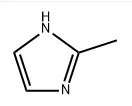
2-Methylimidazole CAS#693-98-1
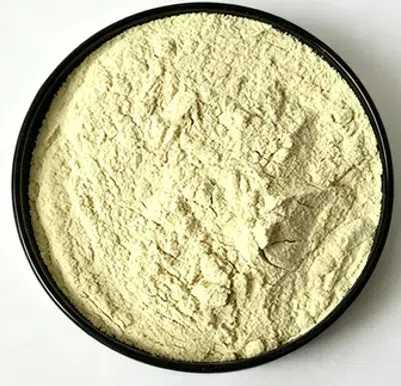
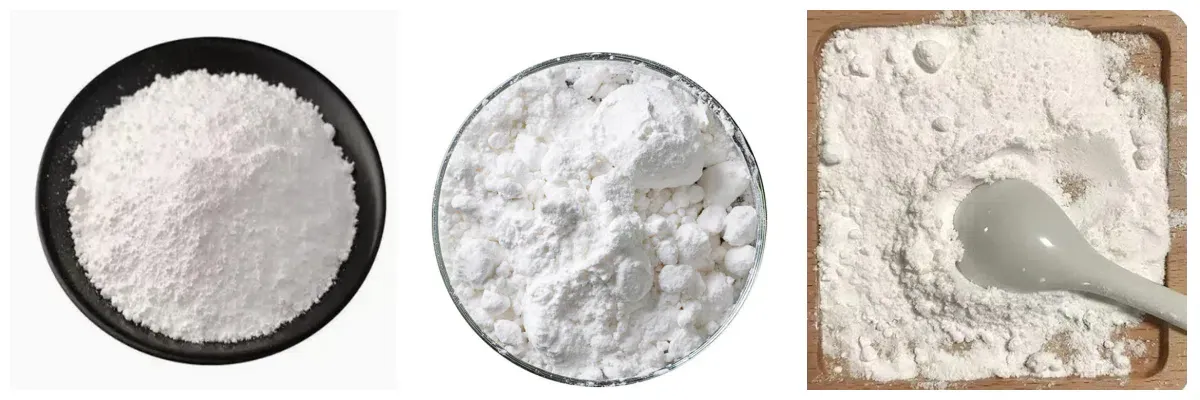
2-Methylimidazole presents as white to pale yellow crystalline powder with a characteristic amine odour. This product shows excellent solubility performance in various polar organic solvents. It dissolves readily in water, alcohols and ketones, whereas it is insoluble in ether and cold benzene. The substance has an irritating effect on human skin and mucous membranes. Its oral LD50 value for mice is 1400 mg/kg, indicating its toxicological property for safety reference during handling and storage.
2-Methylimidazole Chemical Properties |
Melting point | 142-143 °C (lit.) |
Boiling point | 267-268 °C (lit.) |
bulk density | 550kg/m3 |
density | 1.0500 (rough estimate) |
vapor pressure | <1 mm Hg ( 0 °C) |
refractive index | 1.4970 (estimate) |
Fp | 155 °C |
storage temp. | 2-8°C |
solubility | 780g/l |
pka | 14.44±0.10(Predicted) |
form | Crystalline Powder |
color | White to light yellow |
PH | 10.5-11.5 (100g/l, H2O, 20℃) |
PH Range | 10.5 |
Water Solubility | Soluble in water and ethanol. |
BRN | 1368 |
InChI | 1S/C4H6N2/c1-4-5-2-3-6-4/h2-3H,1H3,(H,5,6) |
InChIKey | LXBGSDVWAMZHDD-UHFFFAOYSA-N |
SMILES | Cc1ncc[nH]1 |
LogP | 0.22 at 25℃ |
CAS DataBase Reference | 693-98-1(CAS DataBase Reference) |
IARC | 2B (Vol. 101) 2013 |
NIST Chemistry Reference | 1H-Imidazole, 2-methyl-(693-98-1) |
EPA Substance Registry System | 2-Methylimidazole (693-98-1) |
Safety Information |
Hazard Codes | C |
Risk Statements | 22-34 |
Safety Statements | 26-36/37/39-45-25 |
RIDADR | UN 3259 8/PG 2 |
WGK Germany | 2 |
RTECS | NI7175000 |
Autoignition Temperature | >600 °C DIN 51794 |
Hazard Note | Harmful/Corrosive |
TSCA | TSCA listed |
HazardClass | 8 |
PackingGroup | III |
HS Code | 29332990 |
Storage Class | 6.1C - Combustible acute toxic Cat.3 |
Hazard Classifications | Acute Tox. 4 Oral |
Hazardous Substances Data | 693-98-1(Hazardous Substances Data) |
Toxicity | LD50 orally in Rabbit: 1500 mg/kg |
2-Methylimidazole CAS#693-98-1
H2: Product Overview
2-Methylimidazole (abbreviated as 2-MI), molecular formula C₄H₆N₂, EC number 211-765-7, is a heterocyclic aromatic compound. It appears as white or pale yellow crystalline solid at room temperature. The imidazole ring structure endows it with unique alkaline activity and thermal latency. It is a high-value fine chemical intermediate and latent curing accelerator widely used in epoxy, pharmaceutical, material synthesis and biochemical research fields.
H2: Product Application
H3: Biochemical & Synthetic Intermediate
2-Methylimidazole is a monomethylated imidazole that can be used as a building block in the preparation of a wide range of biologically active compounds. 2-Methylimidazole as well as other imidazoles can be used as catalyst for refolding of enhanced coloured fluorescent protein. 2-Methylimidazole has been identified as a byproduct of fermentation and is detected in foods and mainstream and sidestream tobacco smoke. It also serves as a ligand and structural regulator for synthesis of MOF materials, zeolitic imidazolate frameworks and functional nanomaterials.
H3: Epoxy Resin Curing & Acceleration
It acts as latent curing agent and curing accelerator for epoxy resin systems. It is commonly matched with dicyandiamide to extend the room-temperature pot life while achieving fast crosslinking under heating. It is widely used for PCB laminates, electronic potting compounds, solder mask, structural adhesives and composite materials. Cured epoxy parts show high thermal deformation temperature, good mechanical strength and stable insulation performance.
H3: Coatings, Adhesives & Composite Materials
Applied in one-component epoxy powder coatings, structural adhesives and carbon fiber composites. It helps to improve bonding strength, chemical resistance and heat resistance of coating films. It is also used in rubber modification and thermosetting resin formulation.
H3: Pharmaceutical & Agrochemical Intermediates
It is a key raw material for synthesizing imidazole-series drugs, bactericides and plant growth regulators. It participates in the construction of heterocyclic skeletons for multiple bioactive molecules.
H2: Core Product Advantages
Good latent property: stable at ambient temperature, rapid curing trigger upon heating.
High crosslinking efficiency, significantly raise Tg and thermal stability of cured epoxy products.
Low volatility, less odor compared with aliphatic amine curing agents.
High purity grade available, low impurity content for electronic and pharmaceutical synthesis.
Flexible dosage range, easy formula adjustment for different curing profiles.
H2: Packaging & Transportation
H3: Packaging Specification
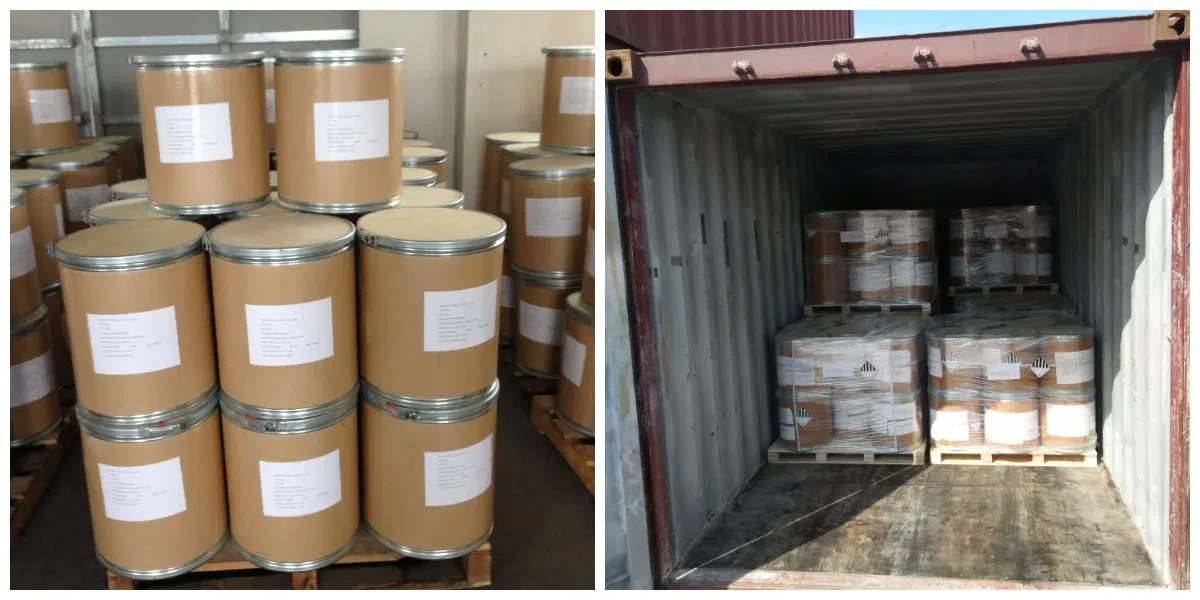
Standard packing: 25kg fibre drum with inner PE plastic bag. Custom packing options like 1kg, 5kg, 10kg small packaging for lab test can be arranged. All drums are sealed tightly to prevent moisture absorption and contamination.
H3: Transport & Storage
Classified as ordinary fine chemical for shipment. Keep separated from strong acids, strong oxidants during transport. Store in dry, cool and ventilated warehouse, tightly sealed. Avoid direct sunlight and high humidity environment. Recommended storage temperature below 25°C. Prevent moisture absorption and caking.
H2: Lead Time Arrangement
Fast delivery time
Inventory goods: 2–3 working days after receiving deposit.
New production order: 7–10 working days after receiving deposit.
For bulk orders, we can prioritize production schedule upon advance communication.
H2: Quality Control & Supporting Documents
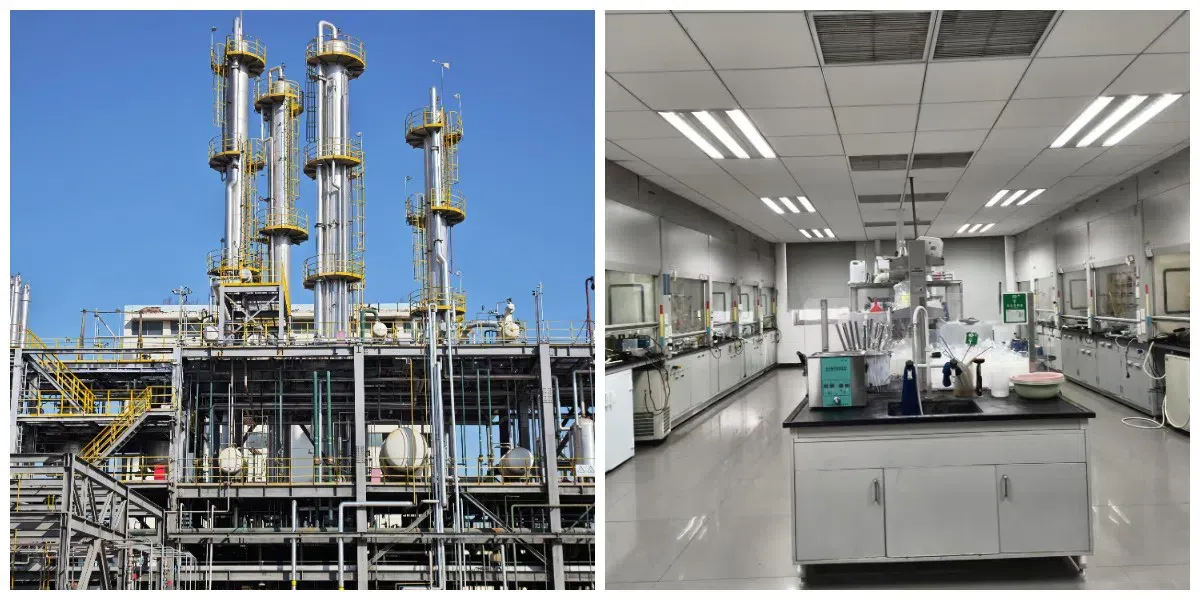
Each batch undergoes full inspection before shipment. We can provide COA, TDS, SDS, GC purity test certificate. Third-party inspection such as SGS, CCIC is acceptable upon customer request. Typical purity ≥99.0%. Batch sample retention is available for quality traceability.
H2: After-sales Service
Provide technical consultation for epoxy curing formula adjustment and synthesis process guidance.
Respond to quality and logistics inquiries within 24 hours.
Full batch traceability system with reserved samples for each shipment.
Support lab sample supply for customer formulation evaluation before bulk order.
H2: Customer Cases
Electronic material manufacturers: Used as curing accelerator for PCB epoxy prepreg and electronic encapsulation resin.
Coating factories: Formulated into one-component epoxy powder coatings for metal anti-corrosion.
Pharmaceutical & fine chemical labs: As heterocyclic building block for custom synthesis of bioactive molecules.
New material research institutes: Precursor ligand for MOF and imidazolate framework material preparation.
H2: FAQ
H3: Q1: What is the difference between 2-Methylimidazole and 2-Ethyl-4-methylimidazole?
A1: 2-Methylimidazole has higher reactivity and higher curing temperature, providing higher Tg for cured epoxy. 2-Ethyl-4-methylimidazole features lower melting point and milder curing condition. Customers can select grades according to their curing process requirement.
H3: Q2: Can I get free samples for lab test?
A2: Small lab samples are available for formula testing. Sample freight cost can be negotiated separately.
H3: Q3: Will 2-Methylimidazole absorb moisture?
A3: It is hygroscopic crystalline solid. Keep packages tightly sealed. Long-term exposure to humid air may cause caking, which will affect dispersion performance in resin.
H3: Q4: What trade terms can you support?
A4: EXW, FCA, FOB, CIF, DAP and other international trade terms are supported based on your logistics arrangement.
previous : Triethylenediamine CAS#280-57-9