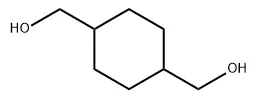
1,4-Cyclohexanedimethanol CAS#105-08-8
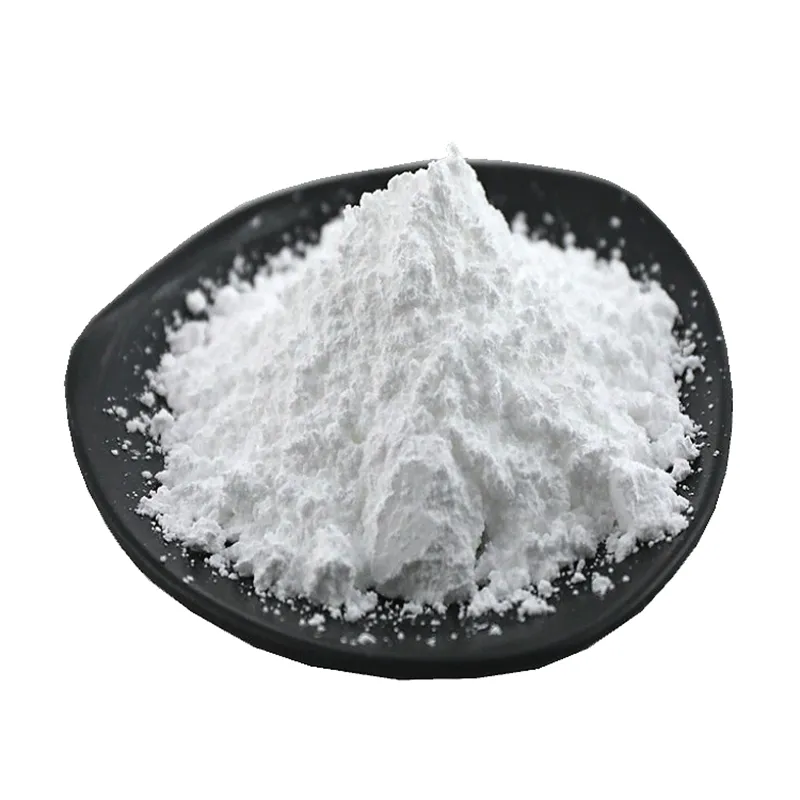
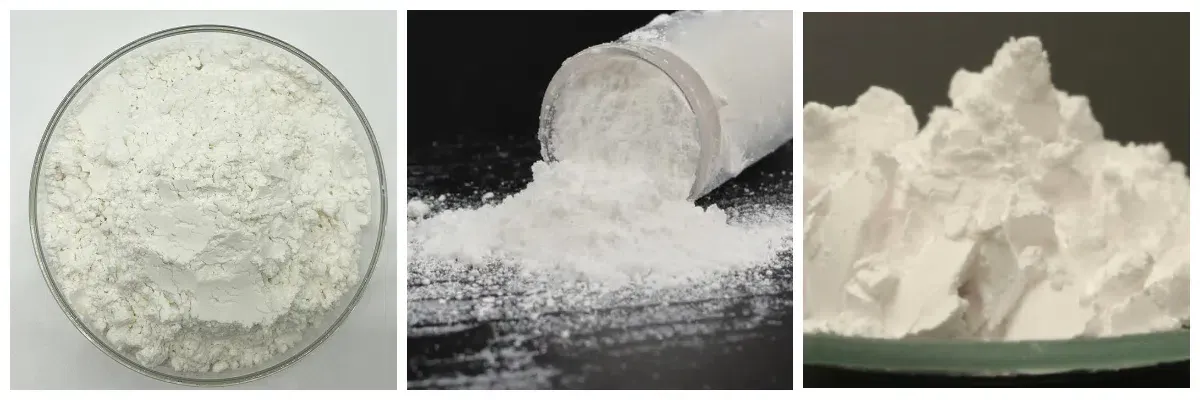
1,4-Cyclohexanedimethanol appears as a white waxy solid under normal ambient conditions; upon heating and melting, it turns into a transparent, colourless viscous liquid. Its melting points vary with isomer types: 43°C for the cis-isomer and 70°C for the trans-isomer. The product features a sublimation temperature of 160°C. It exhibits good compatibility and can be fully miscible with water and alcohols. It is also soluble in ketone solvents, while showing very low solubility, nearly insoluble, in aliphatic hydrocarbons and ethers.
1,4-Cyclohexanedimethanol Chemical Properties |
Melting point | 31.5 °C |
Boiling point | 283 °C (lit.) |
density | 1,04 g/cm3 |
vapor density | 5 (vs air) |
vapor pressure | 0.24Pa at 20℃ |
refractive index | 1.4240 (estimate) |
Fp | 322 °F |
storage temp. | Store below +30°C. |
solubility | >34g/l soluble |
form | Solid |
pka | 14.75±0.10(Predicted) |
color | Off-White |
Odor | Sweet odor |
PH | 4.2 (250g/l, H2O, 20℃) |
Water Solubility | MISCIBLE |
BRN | 1902271 |
Cosmetics Ingredients Functions | SOLVENT |
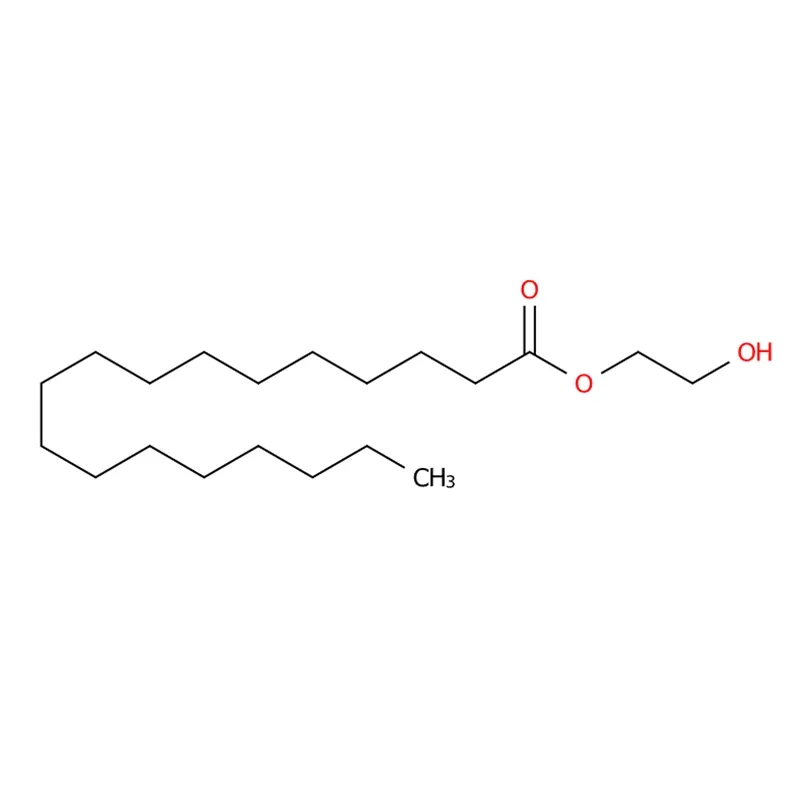
InChI | 1S/C8H16O2/c9-5-7-1-2-8(6-10)4-3-7/h7-10H,1-6H2 |
InChIKey | YIMQCDZDWXUDCA-UHFFFAOYSA-N |
SMILES | OCC1CCC(CC1)CO |
LogP | 1.49 at 20℃ |
CAS DataBase Reference | 105-08-8(CAS DataBase Reference) |
NIST Chemistry Reference | 1,4-Cyclohexanedimethanol(105-08-8) |
EPA Substance Registry System | 1,4-Cyclohexanedimethanol (105-08-8) |
Safety Information |
Hazard Codes | Xi |
Risk Statements | 36-41 |
Safety Statements | 22-24/25-39-26 |
WGK Germany | 1 |
RTECS | GU9800000 |
Autoignition Temperature | 584 °F |
TSCA | TSCA listed |
HS Code | 29061990 |
Storage Class | 11 - Combustible Solids |
Hazard Classifications | Eye Dam. 1 |
Hazardous Substances Data | 105-08-8(Hazardous Substances Data) |
1,4-Cyclohexanedimethanol CAS#105-08-8
H2: Product Overview
1,4-Cyclohexanedimethanol (CHDM) is a cycloaliphatic diol with molecular formula C₈H₁₆O₂ and EC number 203-268-9. It appears as white waxy solid at ambient temperature and turns into transparent viscous liquid upon melting. Its rigid cyclohexane ring structure endows synthesized polymers with outstanding thermal stability, hardness, hydrolysis resistance and weather resistance compared with conventional linear aliphatic diols. It is a core diol monomer widely adopted in high-performance polyester and polyurethane industries.
H2: Product Application
H3: Polymer Raw Material
1,4-Cyclohexanedimethanol is a precursor to polyesters. It is one of the most important co-monomers for production of polyethylene terephthalate (PET), or polyethylene terephthalic ester (PETE). It is the key glycol modifier for PETG, PCTG, PCTA and PCT copolyesters, improving transparency, impact resistance and chemical resistance of final plastic products. 1,4-Cyclohexanedimethanol has been used in the synthesis of polyketal copolymers. It was used as diol comonomer during the synthesis of polyester-carbonates based on 1,3-propylene-co-1,4-cyclohexanedimethylene succinate.
H3: Coatings & Adhesives
CHDM serves as building blocks for saturated and unsaturated polyester resins applied in powder coatings, coil coatings, can coatings and metal protective coatings. It can balance coating hardness and flexibility, enhance anti-corrosion and UV resistance. It is also used in high-performance adhesives and insulating materials for electronic components.
H3: Polyurethane & Other Fields
It can act as chain extender for thermoplastic polyurethane (TPU) and polyurethane dispersion (PUD). It is also applied in unsaturated polyester resin, polyester fiber, polyester glaze, synthetic lubricants and hydraulic fluids.
H2: Core Product Advantages
Rigid cycloaliphatic skeleton raises glass transition temperature and thermal stability of polyester products.
Improve hydrolysis resistance, scratch resistance and outdoor weatherability of resins.
Good reactivity of hydroxyl groups, stable polymerization process and low color deviation for finished polymer.
Wide compatibility with multiple polybasic acids and other diol monomers, flexible formula adjustment.
H2: Packaging & Transportation
H3: Packaging Specification
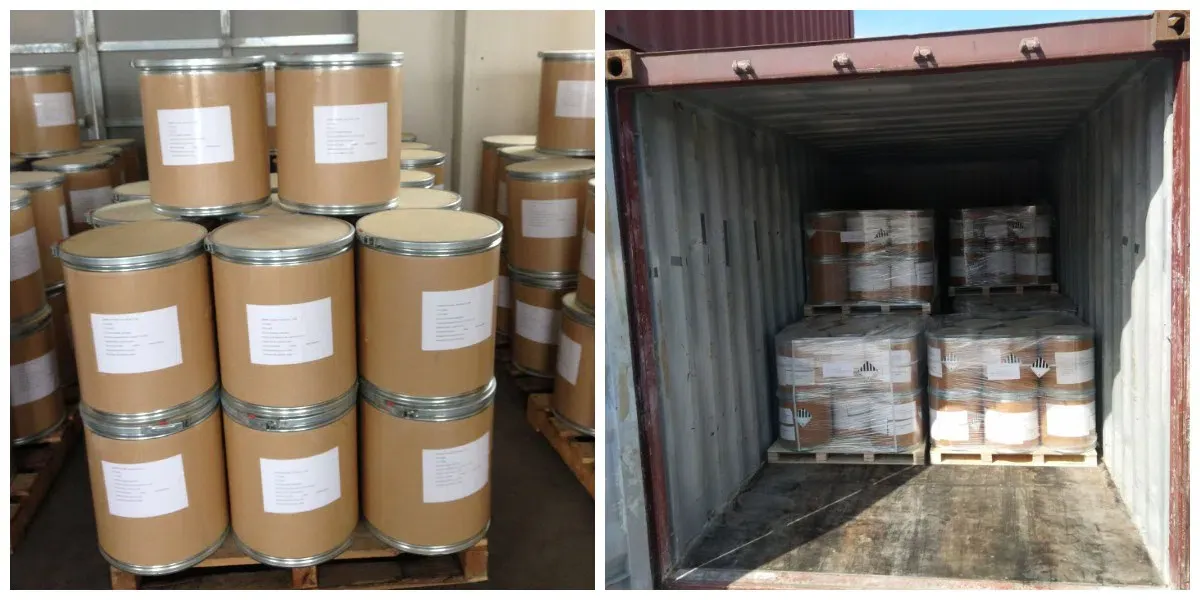
Standard package: 25kg kraft paper drum with inner PE plastic bag. Customized packing like 25kg paper bag, 1000kg IBC tote can be arranged upon client request. All packages are sealed tightly to avoid moisture absorption and contamination.
H3: Transport & Storage
CHDM is non-dangerous goods for general chemical transport. Keep away from strong oxidants, high temperature and open flame during transit. Store in dry, cool and ventilated warehouse. Avoid long-time direct sunlight exposure. Recommended storage temperature below 30°C. Prevent water infiltration to avoid caking.
H2: Lead Time Arrangement
Fast delivery time
Inventory goods: 2–3 working days after receiving deposit.
New production order: 7–10 working days after receiving deposit.
We can adjust production schedule for bulk orders upon advance negotiation.
H2: Quality Control & Supporting Documents
All batches are tested before shipment. We can provide COA, TDS, SDS, GC purity test report. Third-party inspection like SGS, CCIC is acceptable as client requirement. The typical purity ≥99.0%.
H2: After-sales Service
Provide technical support for formulation and polymerization application problems.
Quick response within 24 hours for quality or logistics feedback.
Traceability for every batch with reserved samples.
Support sample test before bulk purchase.
H2: Customer Cases
PETG sheet & packaging material manufacturers: Use CHDM to produce transparent food contact plastic sheets and cosmetic containers.
Powder coating factories: Modify polyester resin to prepare outdoor architectural powder coating with superior weather resistance.
PU elastomer producers: Adopt as chain extender for high-hardness TPU parts with good chemical resistance.
Research institutes & fine chemical labs: For custom synthesis of polyketal and polyester-carbonate copolymers.
H2: FAQ
H3: Q1: What is the main difference between CHDM and common ethylene glycol?
A1: CHDM has cyclohexane ring structure. Polyesters made from CHDM show much better heat resistance, rigidity and hydrolysis stability, suitable for high-end transparent and weather-resistant materials, while ethylene glycol is mainly for conventional PET.
H3: Q2: Is sample available for test?
A2: Yes, small lab samples can be supplied for customer formula evaluation. Sample freight can be discussed separately.
H3: Q3: Will CHDM cake during storage?
A3: It is waxy solid. Caking may happen under long-term high temperature storage. We recommend cool storage and use within shelf life.
H3: Q4: What trade terms can we support?
A4: EXW, FCA, FOB, CIF, DAP and other trade terms are available according to customer’s logistics arrangement.