Neopentyl Glycol, CAS#126-30-7
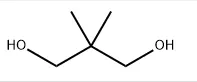
With a molecular formula of C₅H₁₂O₂, Neopentyl Glycol (NPG) belongs to the 1,3-propanediol family, featuring two methyl substituents bonded to the carbon atom at the 2-position of its molecular structure. This diol compound demonstrates good solubility in water, benzene and chloroform, while it exhibits excellent solubility in ethanol as well as diethyl ether. As a distinctive polyhydric alcohol monomer, neopentyl glycol possesses remarkable chemical inertness and outstanding thermal stability. Thanks to these inherent structural merits, it can deliver prominent performance benefits across a wide spectrum of downstream manufacturing and end-use scenarios.
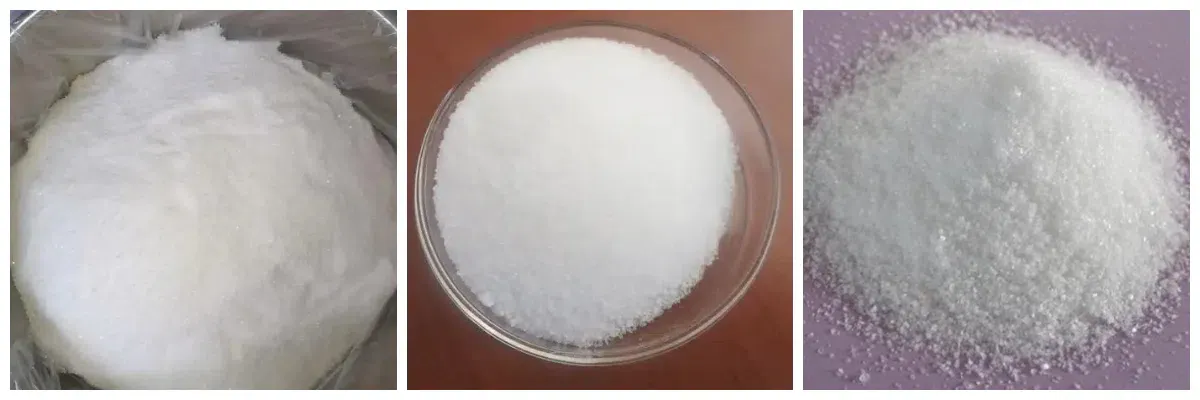
neopentyl glycol Chemical Properties |
Melting point | 126-128 °C |
Boiling point | 208 °C |
density | 1.06 |
vapor density | 3.6 (vs air) |
vapor pressure | <0.8 mm Hg ( 20 °C) |
refractive index | 1.4406 (estimate) |
Fp | 107 °C |
storage temp. | Inert atmosphere,Room Temperature |
solubility | 830g/l |
pka | 14.57±0.10(Predicted) |
form | Crystalline Chunks |
color | White |
explosive limit | 1.34%, 149°F |
Water Solubility | 830 g/L (20 ºC) |
Sensitive | Hygroscopic |
Merck | 14,6458 |
BRN | 605291 |
Stability: | Stable. Incompatible with strong oxidizing agents, acetic anhydride, acid chlorides, moisture. Combustible. |
Cosmetics Ingredients Functions | SOLVENT |
InChI | 1S/C5H12O2/c1-5(2,3-6)4-7/h6-7H,3-4H2,1-2H3 |
InChIKey | SLCVBVWXLSEKPL-UHFFFAOYSA-N |
SMILES | CC(C)(CO)CO |
LogP | -0.15 at 25℃ |
CAS DataBase Reference | 126-30-7(CAS DataBase Reference) |
NIST Chemistry Reference | 1,3-Propanediol, 2,2-dimethyl-(126-30-7) |
EPA Substance Registry System | Neopentyl glycol (126-30-7) |
Safety Information |
Hazard Codes | Xi |
Risk Statements | 36/37/38-36-41 |
Safety Statements | 26-36-39 |
WGK Germany | 1 |
RTECS | TY5775000 |
F | 3 |
Autoignition Temperature | 750 °F |
TSCA | TSCA listed |
HS Code | 29053990 |
Storage Class | 11 - Combustible Solids |
Hazard Classifications | Eye Dam. 1 |
Hazardous Substances Data | 126-30-7(Hazardous Substances Data) |
Toxicity | rat,LCLo,inhalation,39000ppm/6H (39000ppm),Kodak Company Reports. Vol. 21MAY1971, |
Product Application & Full Introduction of Neopentyl Glycol CAS#126-30-7
Neopentyl Glycol (NPG, CAS#126-30-7) serves as a core polyhydric alcohol monomer widely applied in the synthesis of polyester resins, high-performance coatings, synthetic lubricants and plasticizers.
When incorporated into polyester production, its unique molecular structure greatly improves the finished polyester’s resistance to heat, UV light and moisture, effectively extending the service life of end products. Through esterification reactions with fatty acids or carboxylic acids, NPG can generate synthetic ester lubricants. Compared with naturally derived esters, these synthetic esters show significantly stronger anti-oxidation and anti-hydrolysis properties, delivering stable performance under harsh working conditions.
NPG is most commonly utilized as the key raw material for coating base resins. Especially in powder coating formulations, it creates a narrow gap between the glass transition temperature and melting point, which optimizes powder coating leveling and curing performance. Typical coating application fields cover general metal components, household appliances, metal furniture, automotive parts and industrial machinery coatings.
Besides coating sectors, Neopentyl Glycol also has extensive uses in hydraulic fluids, synthetic lubricating oils, industrial greases, metalworking fluids and aircraft engine lubricants. It can also be found in textile auxiliaries, pharmaceutical intermediates, pesticide raw materials, plasticizers and petroleum-related additives.
Lead Time & Shipment
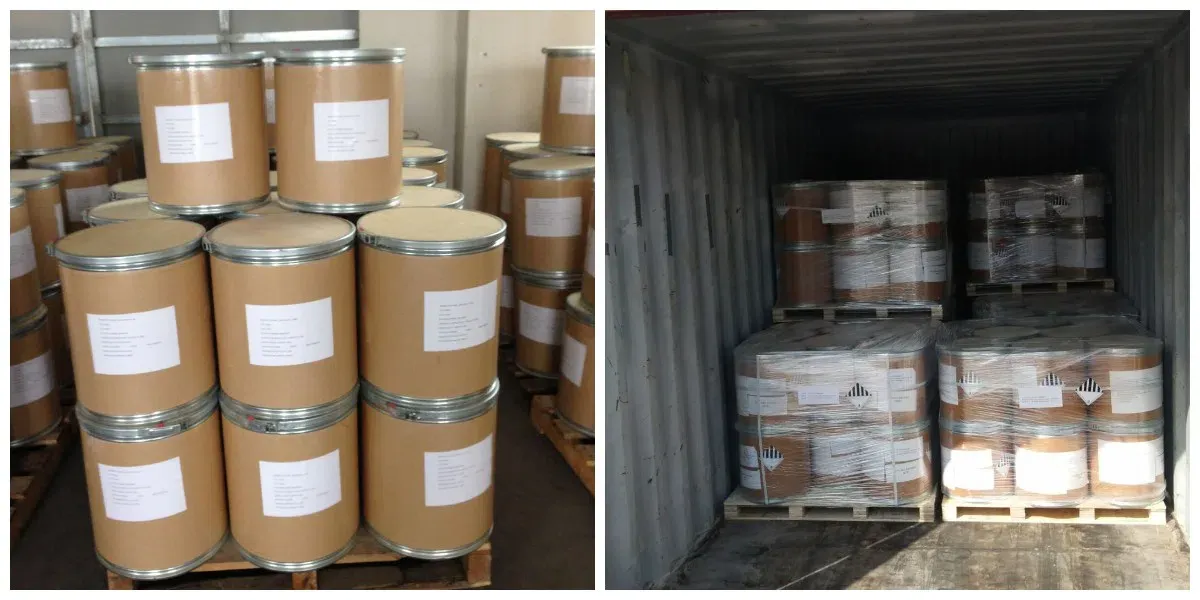
We maintain ready stock for regular orders. Goods can be arranged for shipment within 2–3 working days for stock items. For newly manufactured batches, the production cycle takes 7–10 working days before delivery. We coordinate reliable freight forwarders to arrange sea or land transportation, with flexible packaging options to meet export customs requirements. Standard packaging adopts sealed 25kg kraft paper bags or 25kg fiber drums to prevent moisture absorption and product deterioration during transit.
After-sales Service
Our professional technical and sales team provides full-cycle after-sales support. We supply complete product documents including COA, TDS, MSDS and customs declaration materials for export. If customers encounter technical questions about product application, storage or handling, our technical engineers are available to offer timely consultation. In case of any quality discrepancies upon receipt of cargo, please provide inspection evidence, and we will promptly discuss reasonable solutions.
Customer Cases
Our Neopentyl Glycol has been exported to many overseas markets. We have stable long-term cooperation with manufacturers of powder coatings, synthetic lubricants and polyester resins. Our clients include coating factories, lubricant blending plants and chemical distributors across Southeast Asia, the Middle East, Africa and Latin America. We support both FCL bulk shipments and customized service for repeat bulk buyers.
FAQ
Q1: What is the storage requirement for Neopentyl Glycol?
A1: Store in a cool, dry and well-ventilated warehouse. Keep away from direct sunlight, heat sources and moisture. Seal packages tightly to avoid caking.
Q2: Can you provide samples for testing before bulk order?
A2: Yes, we can supply small test samples for your lab evaluation. Sample freight can be negotiated.
Q3: What trade terms are available?
A3: We support EXW, FOB, CIF, CFR and other common Incoterms to match your logistics arrangement.
Q4: Is NPG compatible with other common diol monomers?
A4: It shows good compatibility with most polyol raw materials. You can consult our technical team for your specific formulation design.