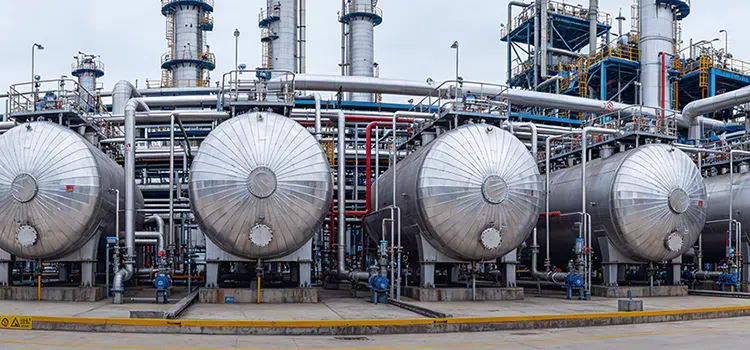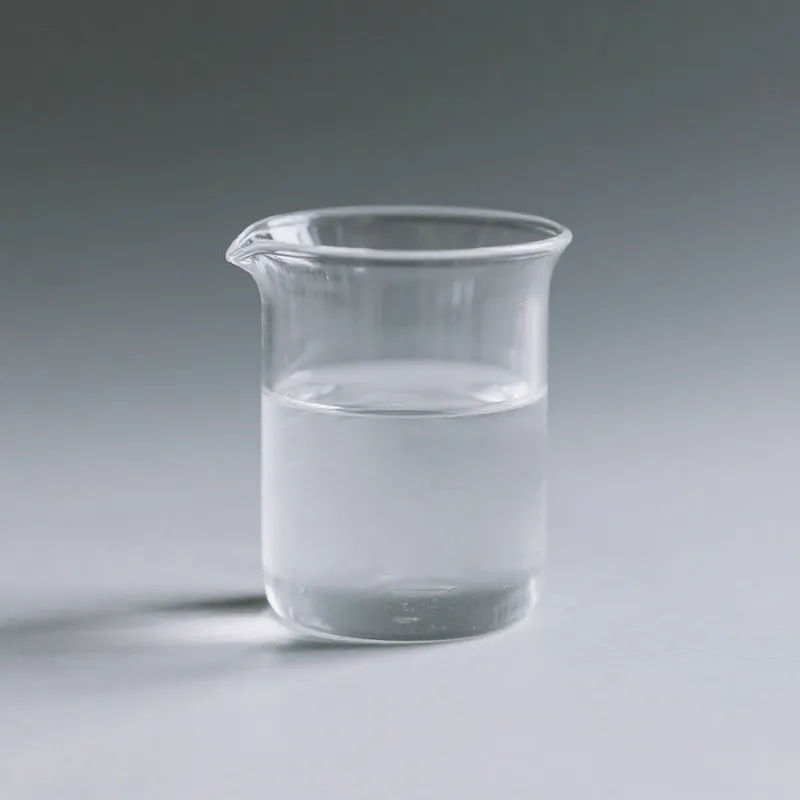
Product Details Products Description of DMI (CAS# 80-73-9) 1,3-Dimethyl-2-imidazolinone, commonly referred to as dimethylethylene urea (DMI), is a high-boiling polar solvent renowned for its exceptional physicochemical properties. It is characterized by a high flash point, low melting point, extreme
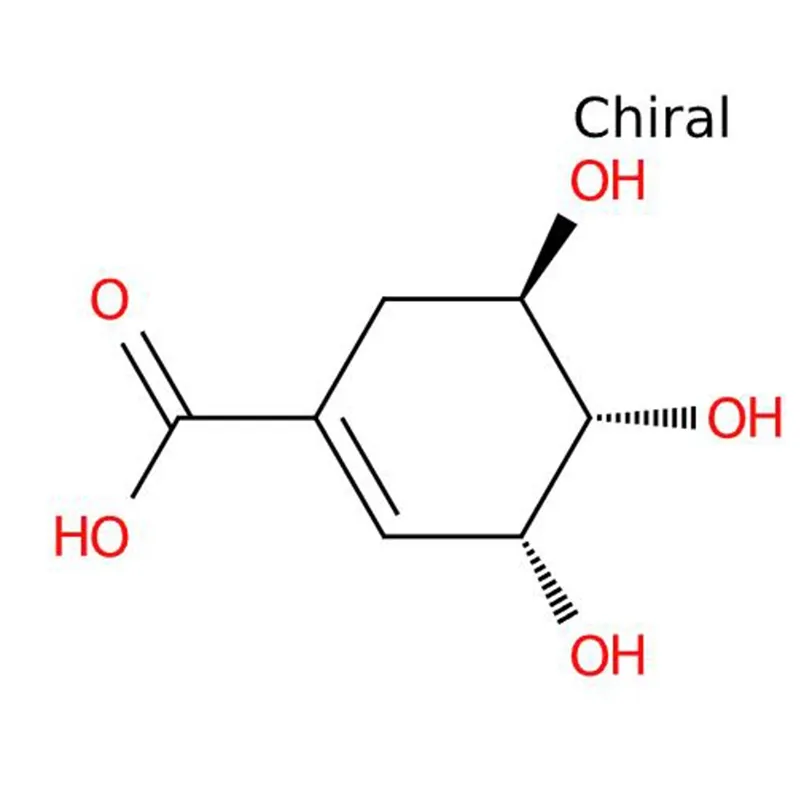
Shikimic acid is a white crystalline substance with high water solubility. It derives its name from shikimi grass (Illicium anisatum), a Japanese plant from which it was initially obtained. This compound serves as a key metabolic intermediate in both plants and microorganisms. Traditionally, the pri
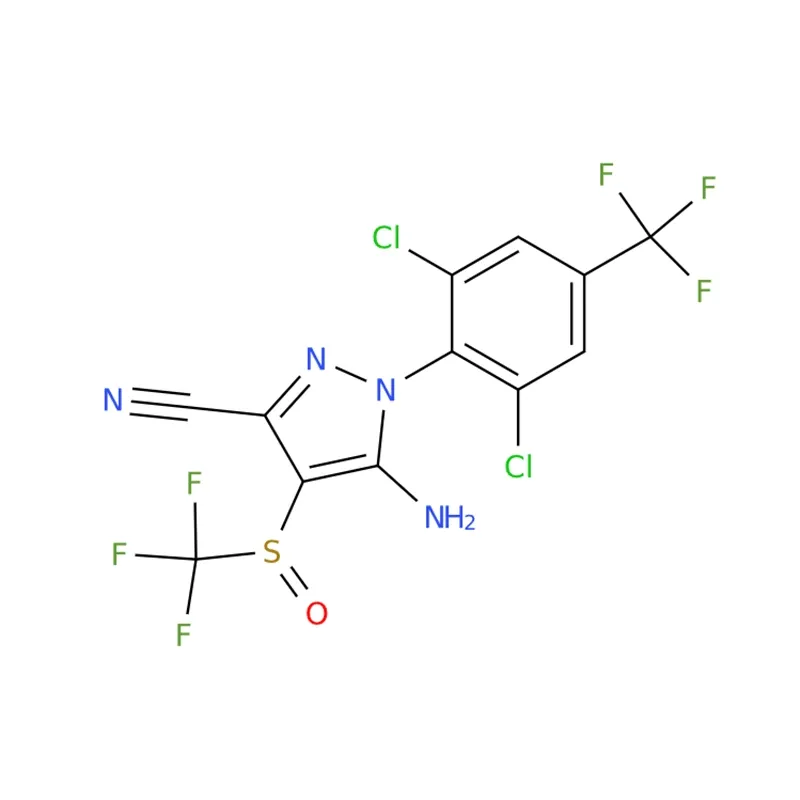
Product Details Fipronil appears as a white powder with a moldy odor. It has poor solubility in water and acts as a slow-acting poison. It has low soil binding affinity, and its metabolite fipronil-sulphone has a half-life of 34 days. As a broad-spectrum insecticide, it is classified under the pheny
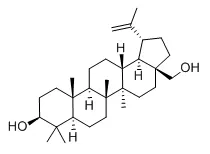
Betulin (CAS#473-98-3) Sterol regulatory element-binding protein 2 (SREBP-2) controls cholesterol synthesis through activating transcription of HMG-CoA reductase and other cholesterol-synthesizing enzymes. When sterol concentration inside cells is high, SREBP combines with SCAP and Insig and remains
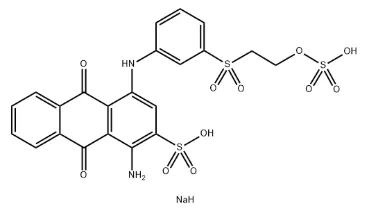
Reactive Blue 19 (CAS 2580-78-1) is a high-performance, internationally recognized vinyl sulfone-based reactive dye specially developed for professional textile dyeing and biological staining applications. The product appears as a delicate, uniform dark blue crystalline powder with pure and stable c
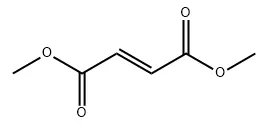
2-Hydroxyethyl methacrylate, commonly abbreviated as HEMA, belongs to functional acrylic monomers with dual reactive groups of hydroxyl and vinyl. It serves as an indispensable foundational raw material to synthesize poly(2-hydroxyethyl methacrylate), also known as PHEMA, alongside a full range of i
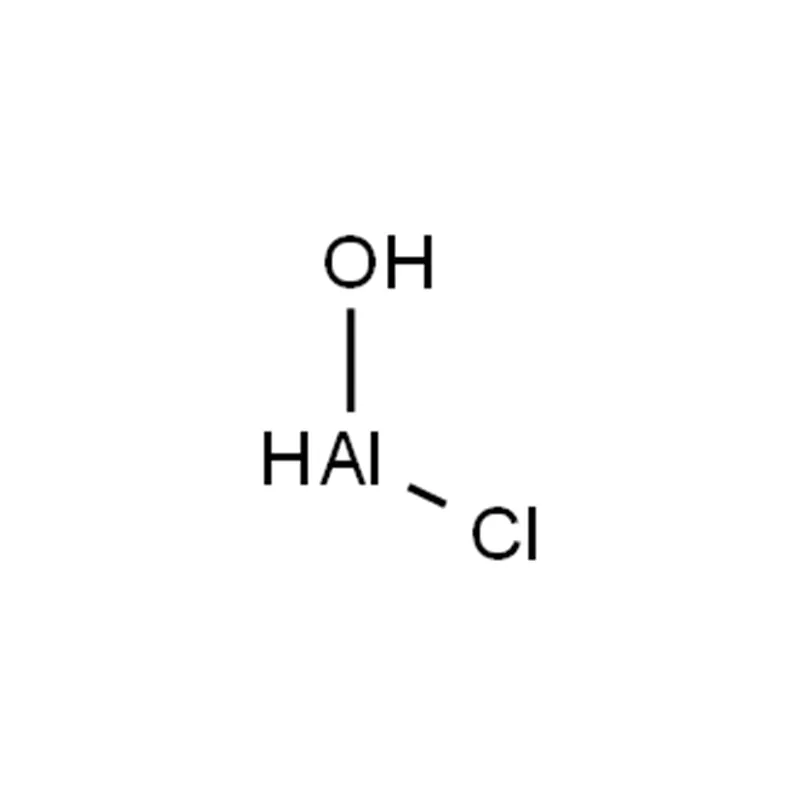
Poly aluminium chloride is a high‑molecular‑weight inorganic polymer featuring excellent cementitious bonding performance. It works as a reliable binder widely applied in refractory coatings, ultra‑pure alumina products and refractory concrete materials. Classified as a multivalent polyhydroxy elect
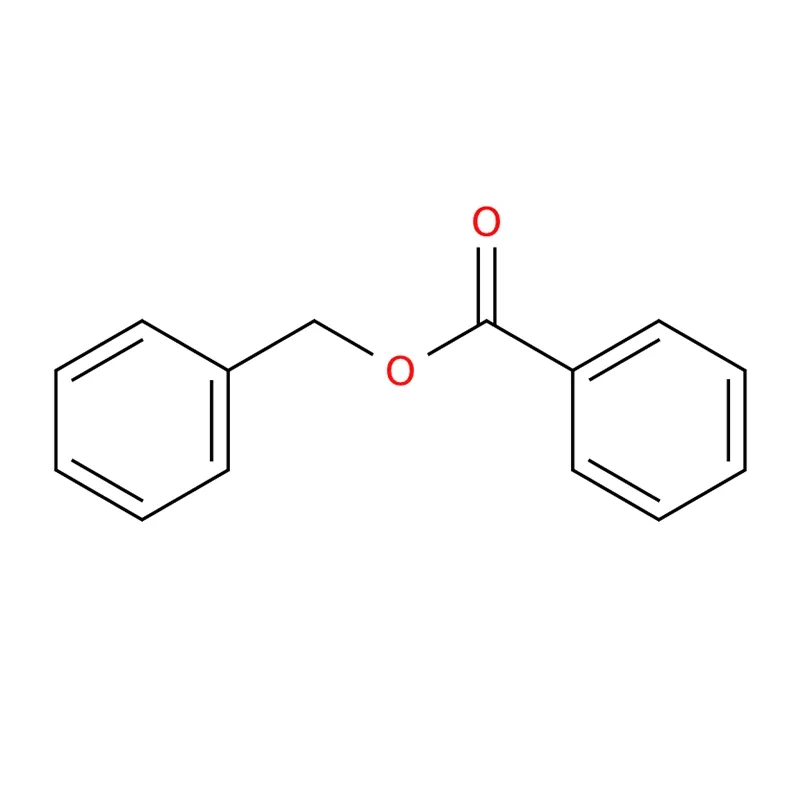
Benzyl Benzoate is a simple ester‑based ingredient with a subtle resin‑like fragrance. It occurs naturally in Peruvian cedar, Turan cedar, as well as multiple essential oils including ylang‑ylang, hyacinth and night‑blooming jasmine, lending it wide adoption within pharmaceutical and fragrance indus
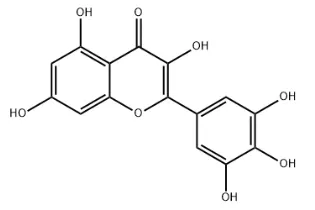
Myricetin CAS#529‑44‑2 Myricetin (CAS: 529‑44‑2) belongs to the family of natural flavonoid substances, which can be naturally sourced from a variety of fruits, vegetables and even red wine. It exhibits remarkable antioxidant activity as one of its core biological properties. In biochemical assays,
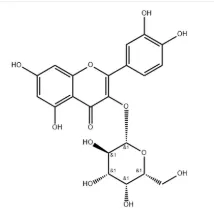
Hyperoside CAS#482‑36‑0 Hyperoside is a naturally‑occurring flavonoid glycoside compound broadly distributed across multiple categories of botanical resources. It can be isolated from fruits, aerial parts and whole‑grass raw materials of numerous plant families, including Hypericaceae, Rosaceae, Cam
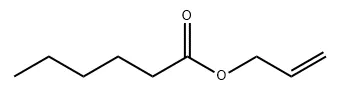
Allyl hexanoate CAS#123‑68‑2 Allyl hexanoate is a transparent liquid exhibiting a colour spectrum from colourless to faint pale yellow. It delivers appealing sweet‑fruity sensory traits, featuring rich, well‑rounded pineapple‑like taste and authentic tropical fruit‑style aroma. As a naturally‑occurr
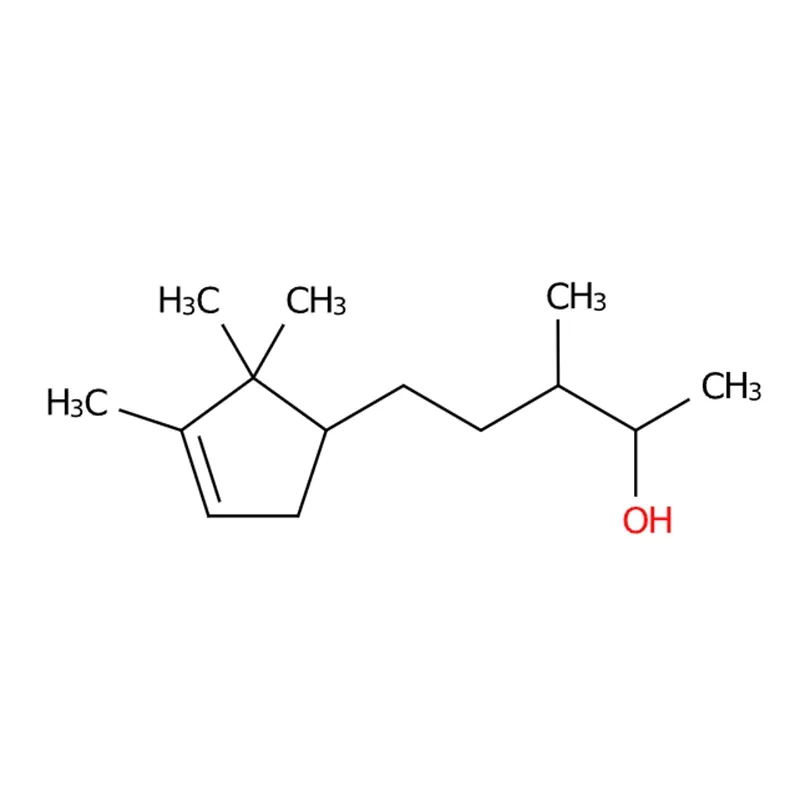
Products Description of SANDALORE CAS#65113‑99‑7 Sandalore is a synthetic sandal‑type fragrance ingredient delivering a scent highly comparable to natural sandalwood, which grants it broad application value in perfumes, emollients and skin‑cleansing formulations. Together with its analog brahmanol,
Product Details Products Description of DMI (CAS# 80-73-9) 1,3-Dimethyl-2-imidazolinone, commonly referred to as dimethylethylene urea (DMI), is a high-boiling polar solvent renowned for its exceptional physicochemical properties. It is characterized by a high flash point, low melting point, extreme
Shikimic acid is a white crystalline substance with high water solubility. It derives its name from shikimi grass (Illicium anisatum), a Japanese plant from which it was initially obtained. This compound serves as a key metabolic intermediate in both plants and microorganisms. Traditionally, the pri
Product Details Fipronil appears as a white powder with a moldy odor. It has poor solubility in water and acts as a slow-acting poison. It has low soil binding affinity, and its metabolite fipronil-sulphone has a half-life of 34 days. As a broad-spectrum insecticide, it is classified under the pheny
Betulin (CAS#473-98-3) Sterol regulatory element-binding protein 2 (SREBP-2) controls cholesterol synthesis through activating transcription of HMG-CoA reductase and other cholesterol-synthesizing enzymes. When sterol concentration inside cells is high, SREBP combines with SCAP and Insig and remains
Reactive Blue 19 (CAS 2580-78-1) is a high-performance, internationally recognized vinyl sulfone-based reactive dye specially developed for professional textile dyeing and biological staining applications. The product appears as a delicate, uniform dark blue crystalline powder with pure and stable c
2-Hydroxyethyl methacrylate, commonly abbreviated as HEMA, belongs to functional acrylic monomers with dual reactive groups of hydroxyl and vinyl. It serves as an indispensable foundational raw material to synthesize poly(2-hydroxyethyl methacrylate), also known as PHEMA, alongside a full range of i
Poly aluminium chloride is a high‑molecular‑weight inorganic polymer featuring excellent cementitious bonding performance. It works as a reliable binder widely applied in refractory coatings, ultra‑pure alumina products and refractory concrete materials. Classified as a multivalent polyhydroxy elect
Benzyl Benzoate is a simple ester‑based ingredient with a subtle resin‑like fragrance. It occurs naturally in Peruvian cedar, Turan cedar, as well as multiple essential oils including ylang‑ylang, hyacinth and night‑blooming jasmine, lending it wide adoption within pharmaceutical and fragrance indus
Myricetin CAS#529‑44‑2 Myricetin (CAS: 529‑44‑2) belongs to the family of natural flavonoid substances, which can be naturally sourced from a variety of fruits, vegetables and even red wine. It exhibits remarkable antioxidant activity as one of its core biological properties. In biochemical assays,
Hyperoside CAS#482‑36‑0 Hyperoside is a naturally‑occurring flavonoid glycoside compound broadly distributed across multiple categories of botanical resources. It can be isolated from fruits, aerial parts and whole‑grass raw materials of numerous plant families, including Hypericaceae, Rosaceae, Cam
Allyl hexanoate CAS#123‑68‑2 Allyl hexanoate is a transparent liquid exhibiting a colour spectrum from colourless to faint pale yellow. It delivers appealing sweet‑fruity sensory traits, featuring rich, well‑rounded pineapple‑like taste and authentic tropical fruit‑style aroma. As a naturally‑occurr
Products Description of SANDALORE CAS#65113‑99‑7 Sandalore is a synthetic sandal‑type fragrance ingredient delivering a scent highly comparable to natural sandalwood, which grants it broad application value in perfumes, emollients and skin‑cleansing formulations. Together with its analog brahmanol,