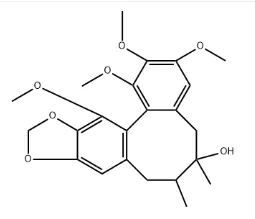
Gomisin A (CAS#58546‑54‑6) Also known as Schisandrol B, this bioactive lignan monomer is purified from Schisandra chinensis, well‑recognized for its prominent hepatoprotective properties. It exerts biological effects mainly by modulating the pregnane X receptor (PXR), a vital regulator responsible f
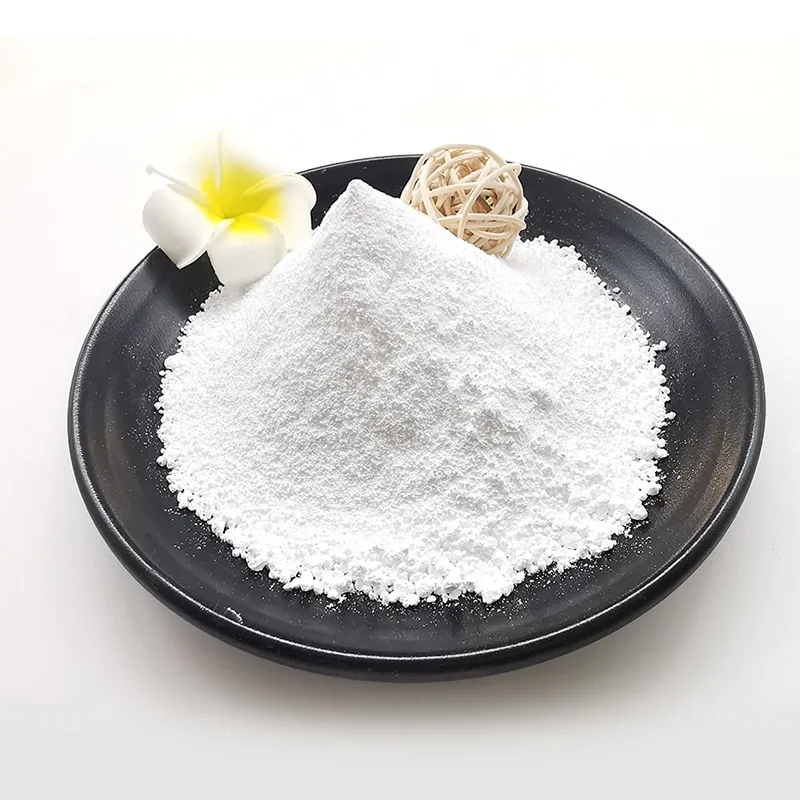
Product Description of Barium Acetate CAS#543‑80‑6 Barium acetate is an inorganic barium‑based compound, with chemical formula \(\boldsymbol{Ba(C_2H_3O_2)_2}\) and molecular weight of 255.43. The anhydrous product is white crystalline solid with relative density of 2.468. It is subject to weathering
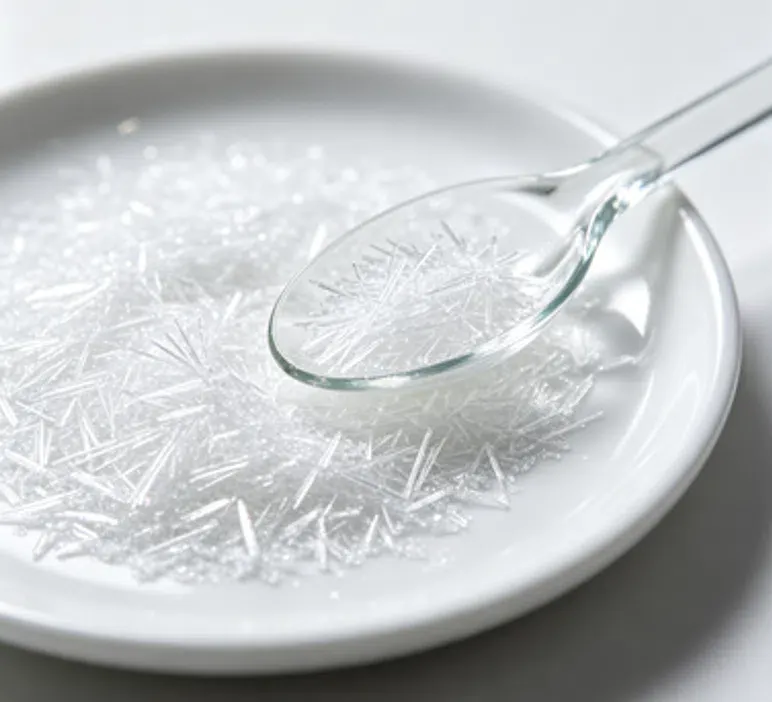
Product Description – DL‑Menthol CAS#89‑78‑1 DL‑Menthol is a racemic menthol, derived from mint plant leaves and stems. Presented in white crystalline form with molecular formula C₁₀H₂₀O, it stands as the key active component of mint and peppermint essential oils. China and Brazil represent the worl
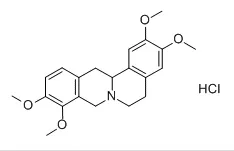
TETRAHYDROPALMATINE HYDROCHLORIDE CAS#6024-85-7 Tetrahydropalmatine Hydrochloride is the hydrochloride salt form of DL-Tetrahydropalmatine, which serves as one of the most crucial and bioactive constituents extracted from the traditional Chinese medicinal herb Corydalis. This natural alkaloid compou
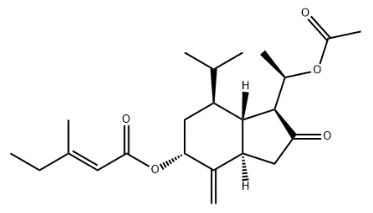
Tussilagone CAS#104012-37-5 Tussilagone is a high-purity natural bioactive sesquiterpenoid compound presented as fine white crystalline powder at room temperature. This compound is professionally isolated and purified from natural botanical raw materials, mainly derived from the flower buds ofTussil
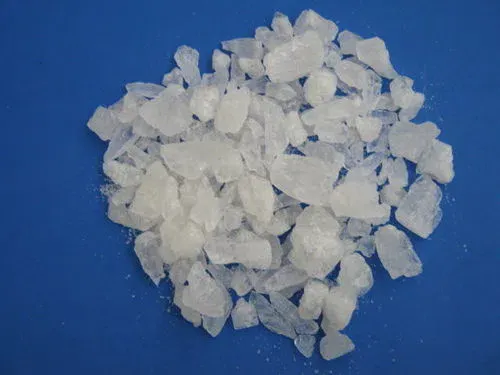
Aluminium Sulfate CAS#16828‑11‑8 Also referred to as Alum, Aluminium Sulfate (CAS#16828‑11‑8, chemical formula: Al₂(SO₄)₃) is a white crystalline inorganic compound. It is a premium raw material extensively applied in water treatment and multiple industrial sectors. Thanks to its outstanding coagula
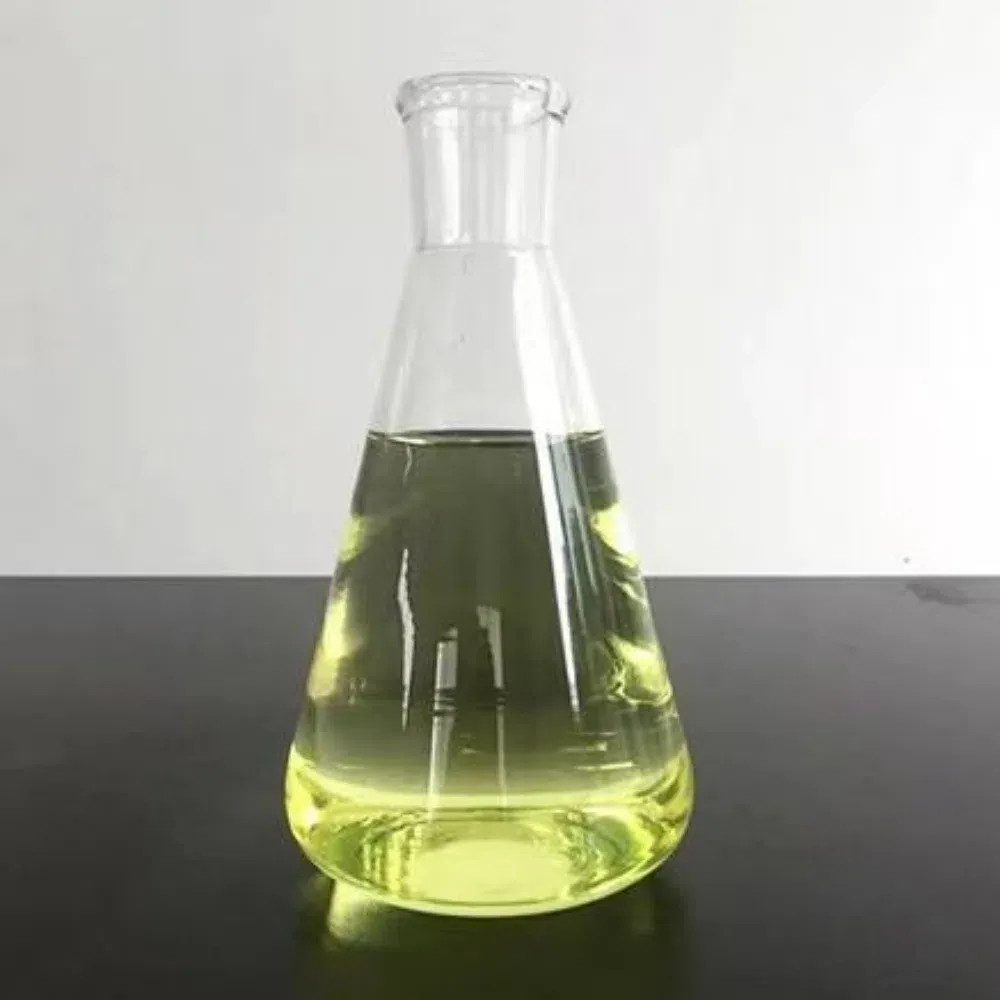
SPATHULENOL CAS#6750‑60‑3 Spathulenol represents a naturally‑occurring tricyclic sesquiterpenoid built upon a 4‑methylidenedecahydro‑1H‑cyclopropa[e]azulene parent framework. Its molecular structure bears three methyl substituents located at positions 1, 1 and 7, together with one hydroxyl functiona
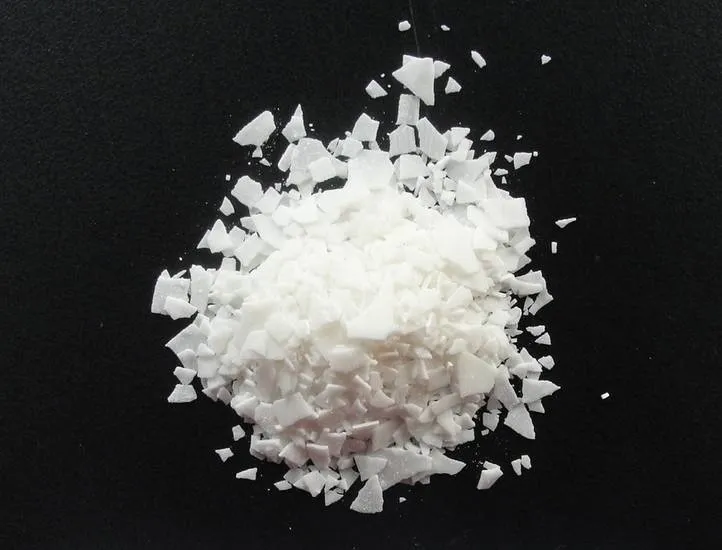
Product Overview CREMOPHOR (R) A25, also well-known as Eumulgin B 25, is a high-performance non-ionic ethoxylated fatty alcohol emulsifier specially developed for cosmetic, personal care and fine chemical formulations. Featuring a unique amphiphilic molecular structure with lipophilic long-chain alk
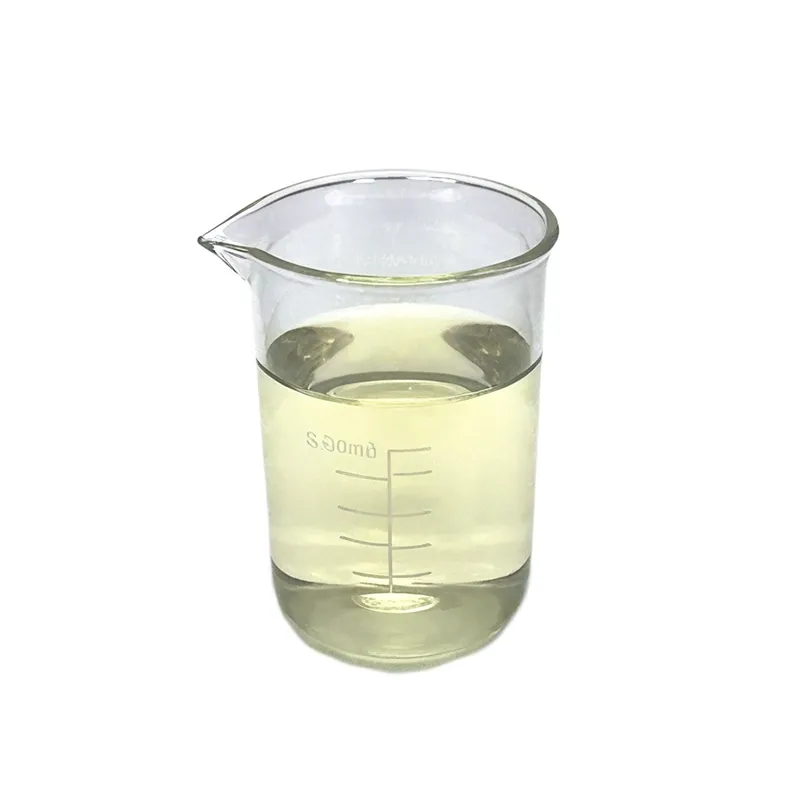
N,N-Diethyl-1,1,2,3,3,3-hexafluoropropylamine | Ishikawa’s Reagent CAS No.: 309-88-6 Molecular Formula: C₇H₁₁F₆N Molecular Weight: 223.16 MDL Number: MFCD00054683 N,N-Diethyl-1,1,2,3,3,3-hexafluoropropylamine, widely known as Ishikawa’s Reagent, is a premium fluorinated amine fluorinating agent for
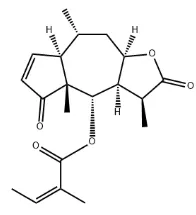
Brevilin A CAS#16503‑32‑5 This product is a high‑grade primary reference substance with traceable assigned absolute purity for laboratory research use only. The determination of its absolute purity undergoes comprehensive multi‑parameter correction by taking multiple influencing factors into full ac
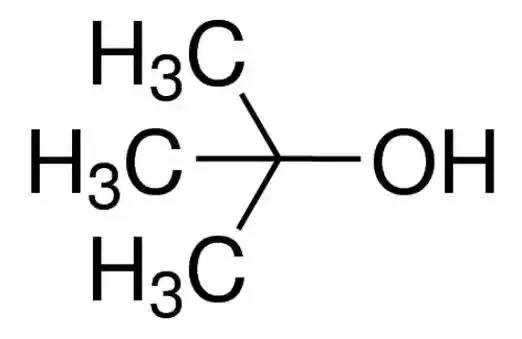
Sodium tert‑butoxide CAS#865‑48‑5 Sodium tert‑butoxide is a white to off‑white, highly hygroscopic crystalline powder with fine granular morphology. Upon prolonged exposure to moist ambient air, it readily absorbs atmospheric moisture, tends to agglomerate and caking, meanwhile releasing irritating
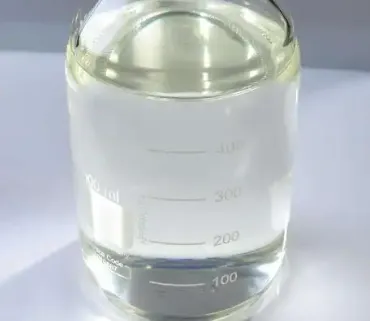
Bromoethane CAS#74‑96‑4 Bromoethane is a colourless, highly volatile and flammable aliphatic bromoalkane liquid. Upon prolonged exposure to ambient air and ultraviolet light, the substance will gradually develop a yellowish discoloration. It carries a distinctive ether‑like aroma together with a sli
Gomisin A (CAS#58546‑54‑6) Also known as Schisandrol B, this bioactive lignan monomer is purified from Schisandra chinensis, well‑recognized for its prominent hepatoprotective properties. It exerts biological effects mainly by modulating the pregnane X receptor (PXR), a vital regulator responsible f
Product Description of Barium Acetate CAS#543‑80‑6 Barium acetate is an inorganic barium‑based compound, with chemical formula \(\boldsymbol{Ba(C_2H_3O_2)_2}\) and molecular weight of 255.43. The anhydrous product is white crystalline solid with relative density of 2.468. It is subject to weathering
Product Description – DL‑Menthol CAS#89‑78‑1 DL‑Menthol is a racemic menthol, derived from mint plant leaves and stems. Presented in white crystalline form with molecular formula C₁₀H₂₀O, it stands as the key active component of mint and peppermint essential oils. China and Brazil represent the worl
TETRAHYDROPALMATINE HYDROCHLORIDE CAS#6024-85-7 Tetrahydropalmatine Hydrochloride is the hydrochloride salt form of DL-Tetrahydropalmatine, which serves as one of the most crucial and bioactive constituents extracted from the traditional Chinese medicinal herb Corydalis. This natural alkaloid compou
Tussilagone CAS#104012-37-5 Tussilagone is a high-purity natural bioactive sesquiterpenoid compound presented as fine white crystalline powder at room temperature. This compound is professionally isolated and purified from natural botanical raw materials, mainly derived from the flower buds ofTussil
Aluminium Sulfate CAS#16828‑11‑8 Also referred to as Alum, Aluminium Sulfate (CAS#16828‑11‑8, chemical formula: Al₂(SO₄)₃) is a white crystalline inorganic compound. It is a premium raw material extensively applied in water treatment and multiple industrial sectors. Thanks to its outstanding coagula
SPATHULENOL CAS#6750‑60‑3 Spathulenol represents a naturally‑occurring tricyclic sesquiterpenoid built upon a 4‑methylidenedecahydro‑1H‑cyclopropa[e]azulene parent framework. Its molecular structure bears three methyl substituents located at positions 1, 1 and 7, together with one hydroxyl functiona
Product Overview CREMOPHOR (R) A25, also well-known as Eumulgin B 25, is a high-performance non-ionic ethoxylated fatty alcohol emulsifier specially developed for cosmetic, personal care and fine chemical formulations. Featuring a unique amphiphilic molecular structure with lipophilic long-chain alk
N,N-Diethyl-1,1,2,3,3,3-hexafluoropropylamine | Ishikawa’s Reagent CAS No.: 309-88-6 Molecular Formula: C₇H₁₁F₆N Molecular Weight: 223.16 MDL Number: MFCD00054683 N,N-Diethyl-1,1,2,3,3,3-hexafluoropropylamine, widely known as Ishikawa’s Reagent, is a premium fluorinated amine fluorinating agent for
Brevilin A CAS#16503‑32‑5 This product is a high‑grade primary reference substance with traceable assigned absolute purity for laboratory research use only. The determination of its absolute purity undergoes comprehensive multi‑parameter correction by taking multiple influencing factors into full ac
Sodium tert‑butoxide CAS#865‑48‑5 Sodium tert‑butoxide is a white to off‑white, highly hygroscopic crystalline powder with fine granular morphology. Upon prolonged exposure to moist ambient air, it readily absorbs atmospheric moisture, tends to agglomerate and caking, meanwhile releasing irritating
Bromoethane CAS#74‑96‑4 Bromoethane is a colourless, highly volatile and flammable aliphatic bromoalkane liquid. Upon prolonged exposure to ambient air and ultraviolet light, the substance will gradually develop a yellowish discoloration. It carries a distinctive ether‑like aroma together with a sli