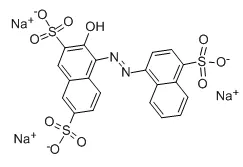
Acid Red 27, also widely known as Amaranth or FD & C Red No.2, is a synthetic anionic dye. Its main constituent is trisodium 2‑hydroxy‑1‑(4‑sulfonato‑1‑naphthylazo)naphthalene‑3,6‑disulfonate. Besides primary color‑giving substances, it contains minor auxiliary color impurities. Sodium chloride and
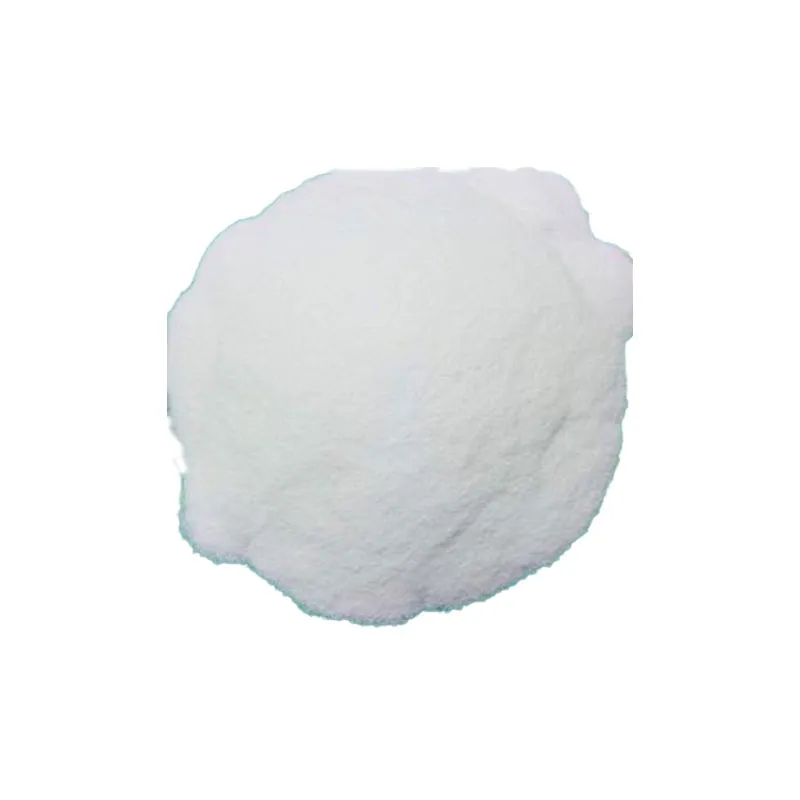
Dihydromyricetin (DHM, also called Ampelopsin) is a natural flavonoid enriched in multiple Asian plants. Hovenia dulcis, in particular, has long been applied in traditional Chinese medicine to tackle alcohol poisoning and hangover discomfort (Liang et al. 2014). As a popular supplement raw material,
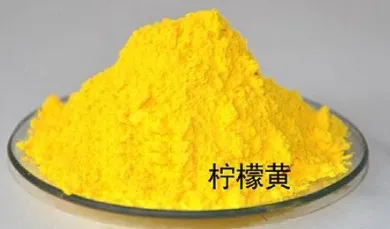
Tartrazine, also known as FD & C Yellow No.5, CAS#1934‑21‑0, is predominantly the trisodium salt of 4,5‑dihydro‑5‑oxo‑1‑(4‑sulfophenyl)‑4‑[4‑sulfophenyl‑azo]‑1H‑pyrazole‑3‑carboxylic acid. As a classic water‑soluble azo synthetic colorant, it is widely adopted across food, pharmaceutical and cosmeti
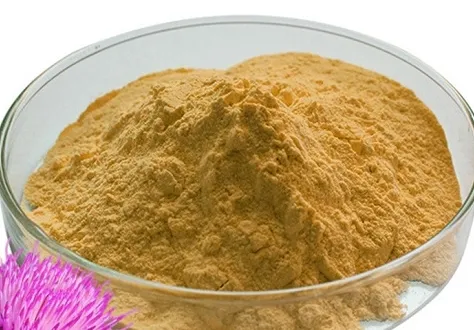
Silymarin CAS#65666-07-1 Obtained from milk thistle, silymarin is a flavonoid mixture made up of silybin, silydianin and silychristin. It possesses strong antioxidant, anti-cancer and hepatoprotective properties, supporting a wide range of pharmacological applications. It helps sustain healthy liver
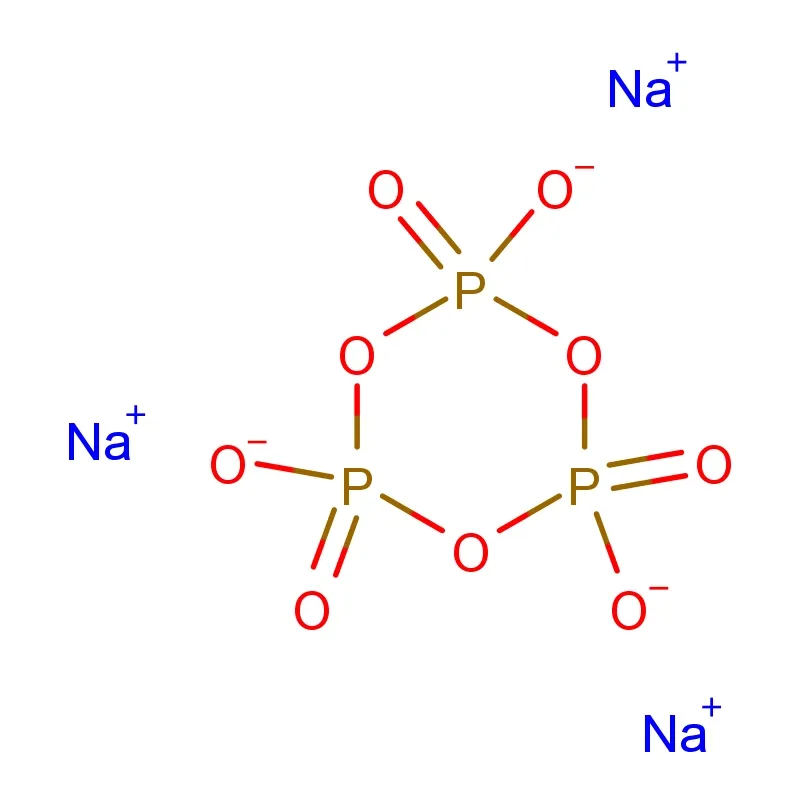
Product Details 1. Sodium tripolyphosphate (STPP) can be used in the preparation of vitamin C phosphate esters, possessing the benefits of vitamin C while overcoming its susceptibility to oxidation by light, heat, and metal ions. 2. It can be used in the preparation of cross-linked starch. Industria
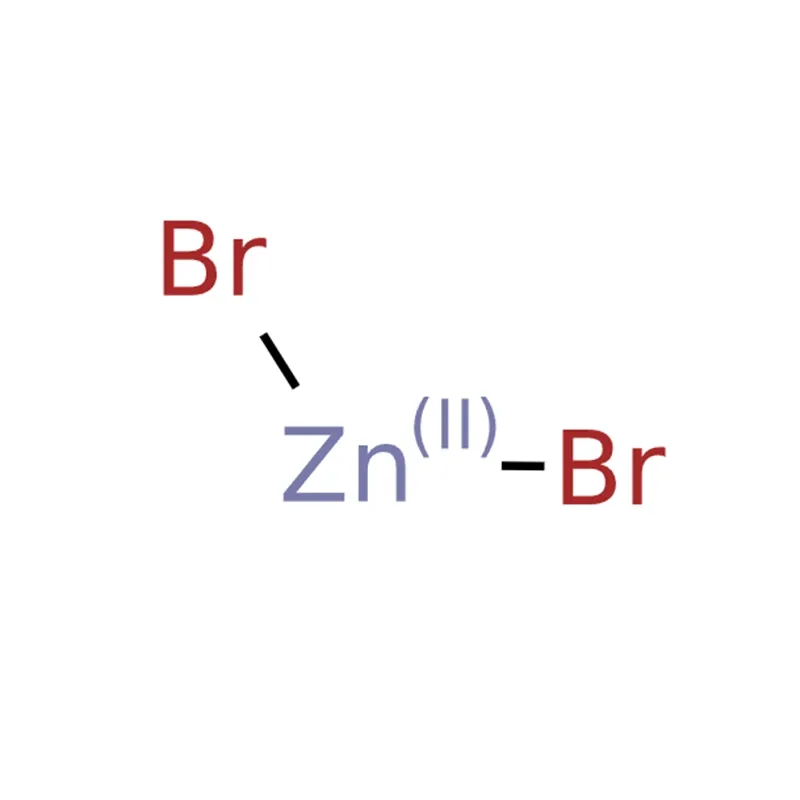
Product Details White, deliquescent, crystalline powder. Relative density 4.5. Melting point 394℃. Boiling point 650℃. Heat of vaporization 118 kJ/mol; heat of fusion 16.70 kJ/mol. Refractive index 1.5452 (20℃). Easily soluble in water, alcohol, ether, and acetone; alkali metal hydroxides are solubl
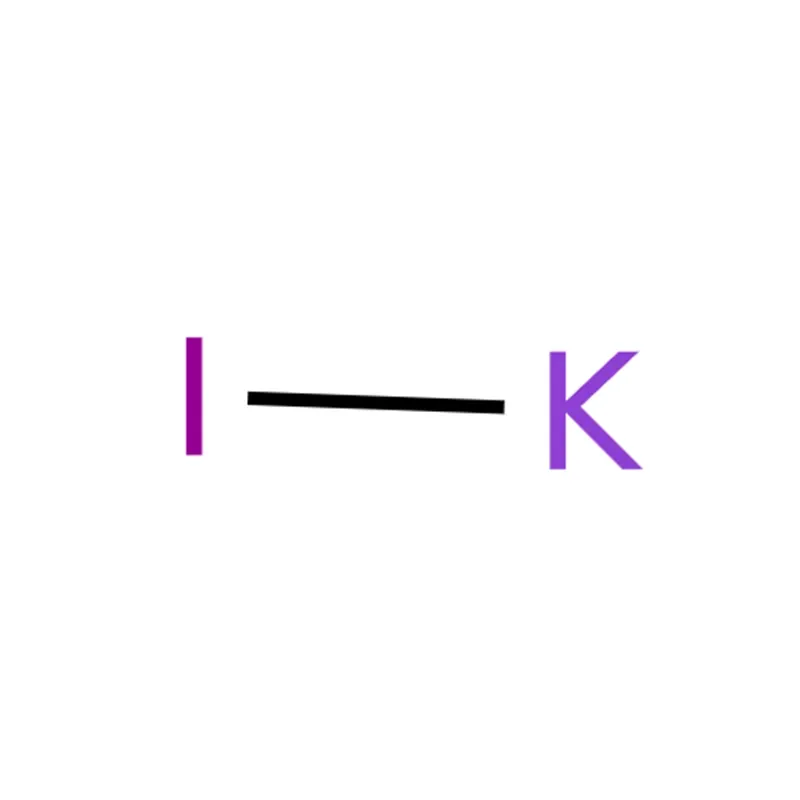
Product Details Product Description of Potassium Iodide (CAS No. 7681-11-0) Potassium iodide is an ionic compound in which iodide ions readily react with silver ions to form a dark yellow silver iodide precipitate. This compound is light-sensitive and can decompose under illumination, making it usef
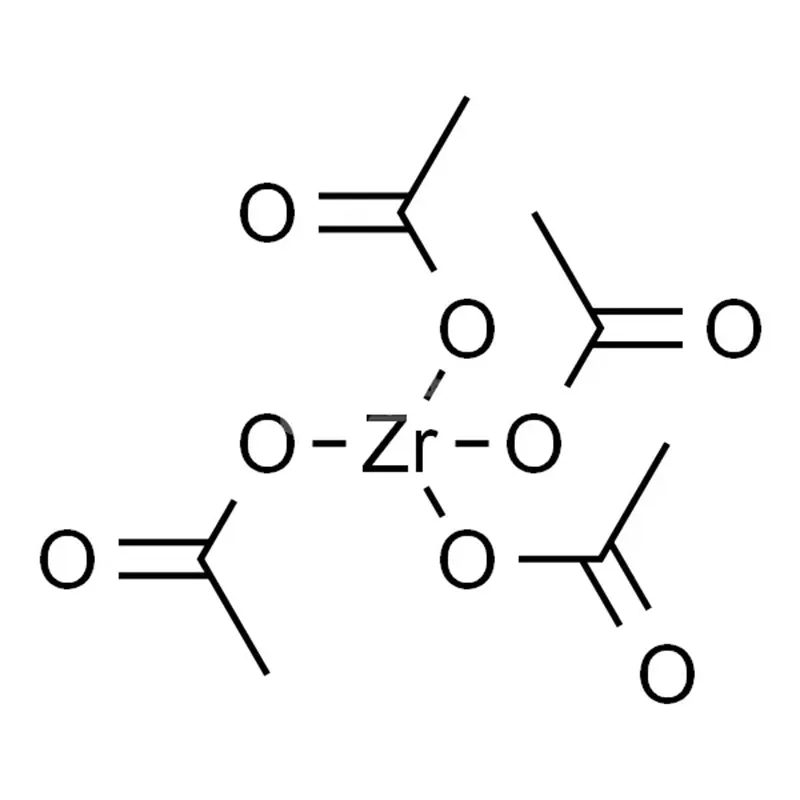
Product Details Zirconium acetate (liquid) is a colorless, transparent liquid produced by the reaction of zirconium oxychloride and sodium carbonate. It has a density of 1.29-1.32, contains free acetic acid, and has a pH of approximately 3.5. It is highly acidic and corrosive. It is soluble in water
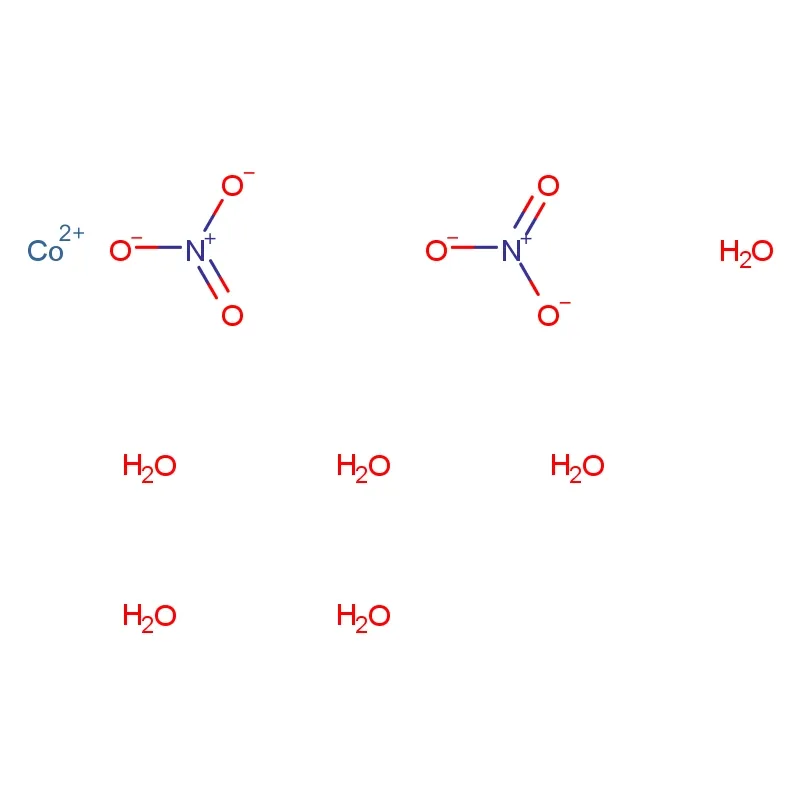
Product Details Products Description of Cobalt Nitrate CAS#10026-22-9 Cobalt nitrate hexahydrate appears as a red crystalline powder. It dissolves readily in water, ethanol, acetone, and methyl acetate, and is slightly soluble in ammonia. This compound is mainly used in the production of catalysts,
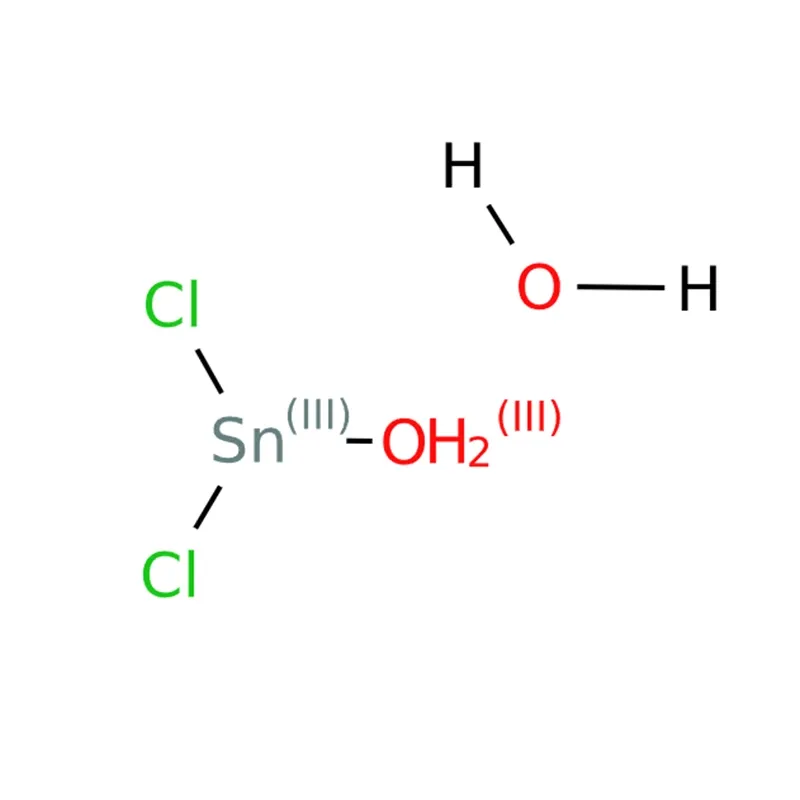
Product Details Products Description of Stannous Chloride Dihydrate CAS#10025-69-1 Stannous chloride (SnCl₂), also known as tin dichloride, exists in both anhydrous and hydrated forms. The anhydrous form appears as transparent crystals with a melting point of 246 ℃, a boiling point of 652 ℃, and a r
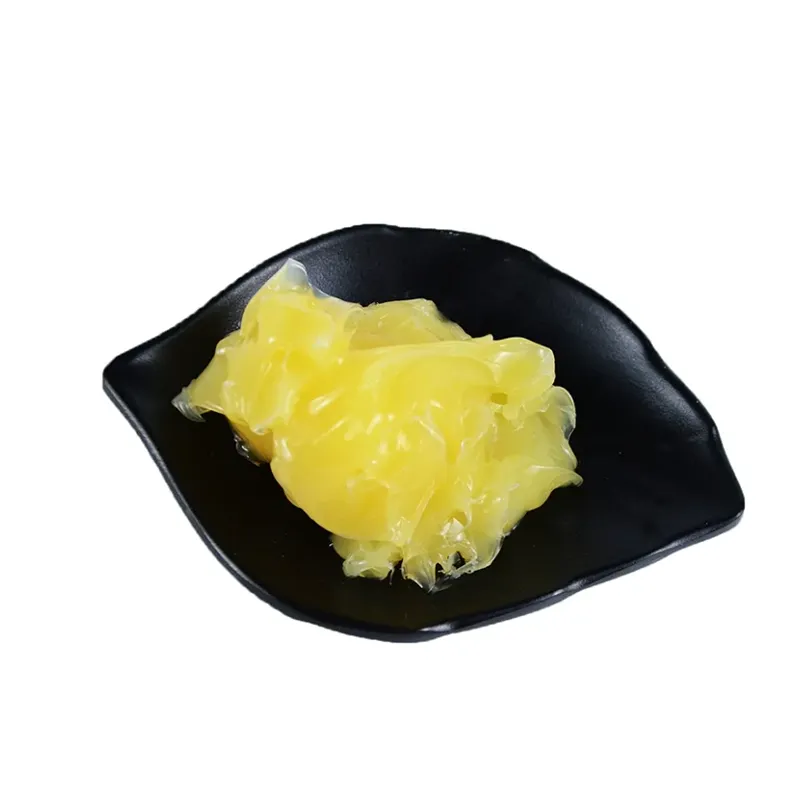
Product Details Lanolin oil is a natural secretion produced by sheep’s skin and closely resembles human sebum, the oil generated by sebaceous glands, especially noticeable on the nose. Unlike sebum, lanolin does not contain triglycerides, which is why the term “wool fat” can be misleading. Its prima
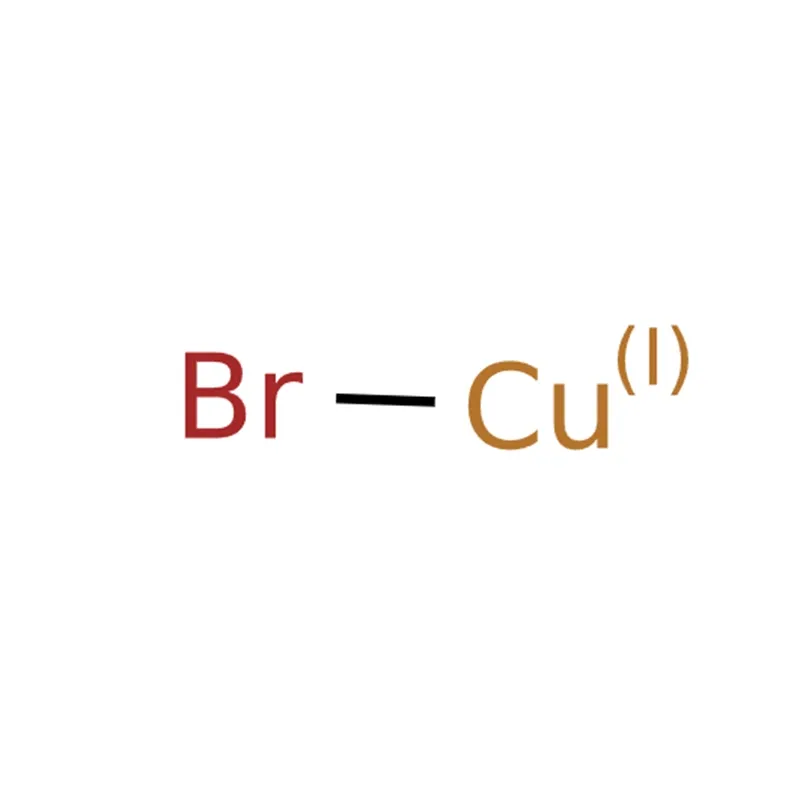
Product Details Products Description of Cuprous Bromide CAS#7787-70-4 Cuprous bromide appears as a white powder or cubic crystalline solid. It has a melting point of 498 °C and a boiling point of 1345 °C. The compound dissolves in hydrochloric acid, hydrobromic acid, and aqueous ammonia, forming com
Acid Red 27, also widely known as Amaranth or FD & C Red No.2, is a synthetic anionic dye. Its main constituent is trisodium 2‑hydroxy‑1‑(4‑sulfonato‑1‑naphthylazo)naphthalene‑3,6‑disulfonate. Besides primary color‑giving substances, it contains minor auxiliary color impurities. Sodium chloride and
Dihydromyricetin (DHM, also called Ampelopsin) is a natural flavonoid enriched in multiple Asian plants. Hovenia dulcis, in particular, has long been applied in traditional Chinese medicine to tackle alcohol poisoning and hangover discomfort (Liang et al. 2014). As a popular supplement raw material,
Tartrazine, also known as FD & C Yellow No.5, CAS#1934‑21‑0, is predominantly the trisodium salt of 4,5‑dihydro‑5‑oxo‑1‑(4‑sulfophenyl)‑4‑[4‑sulfophenyl‑azo]‑1H‑pyrazole‑3‑carboxylic acid. As a classic water‑soluble azo synthetic colorant, it is widely adopted across food, pharmaceutical and cosmeti
Silymarin CAS#65666-07-1 Obtained from milk thistle, silymarin is a flavonoid mixture made up of silybin, silydianin and silychristin. It possesses strong antioxidant, anti-cancer and hepatoprotective properties, supporting a wide range of pharmacological applications. It helps sustain healthy liver
Product Details 1. Sodium tripolyphosphate (STPP) can be used in the preparation of vitamin C phosphate esters, possessing the benefits of vitamin C while overcoming its susceptibility to oxidation by light, heat, and metal ions. 2. It can be used in the preparation of cross-linked starch. Industria
Product Details White, deliquescent, crystalline powder. Relative density 4.5. Melting point 394℃. Boiling point 650℃. Heat of vaporization 118 kJ/mol; heat of fusion 16.70 kJ/mol. Refractive index 1.5452 (20℃). Easily soluble in water, alcohol, ether, and acetone; alkali metal hydroxides are solubl
Product Details Product Description of Potassium Iodide (CAS No. 7681-11-0) Potassium iodide is an ionic compound in which iodide ions readily react with silver ions to form a dark yellow silver iodide precipitate. This compound is light-sensitive and can decompose under illumination, making it usef
Product Details Zirconium acetate (liquid) is a colorless, transparent liquid produced by the reaction of zirconium oxychloride and sodium carbonate. It has a density of 1.29-1.32, contains free acetic acid, and has a pH of approximately 3.5. It is highly acidic and corrosive. It is soluble in water
Product Details Products Description of Cobalt Nitrate CAS#10026-22-9 Cobalt nitrate hexahydrate appears as a red crystalline powder. It dissolves readily in water, ethanol, acetone, and methyl acetate, and is slightly soluble in ammonia. This compound is mainly used in the production of catalysts,
Product Details Products Description of Stannous Chloride Dihydrate CAS#10025-69-1 Stannous chloride (SnCl₂), also known as tin dichloride, exists in both anhydrous and hydrated forms. The anhydrous form appears as transparent crystals with a melting point of 246 ℃, a boiling point of 652 ℃, and a r
Product Details Lanolin oil is a natural secretion produced by sheep’s skin and closely resembles human sebum, the oil generated by sebaceous glands, especially noticeable on the nose. Unlike sebum, lanolin does not contain triglycerides, which is why the term “wool fat” can be misleading. Its prima
Product Details Products Description of Cuprous Bromide CAS#7787-70-4 Cuprous bromide appears as a white powder or cubic crystalline solid. It has a melting point of 498 °C and a boiling point of 1345 °C. The compound dissolves in hydrochloric acid, hydrobromic acid, and aqueous ammonia, forming com