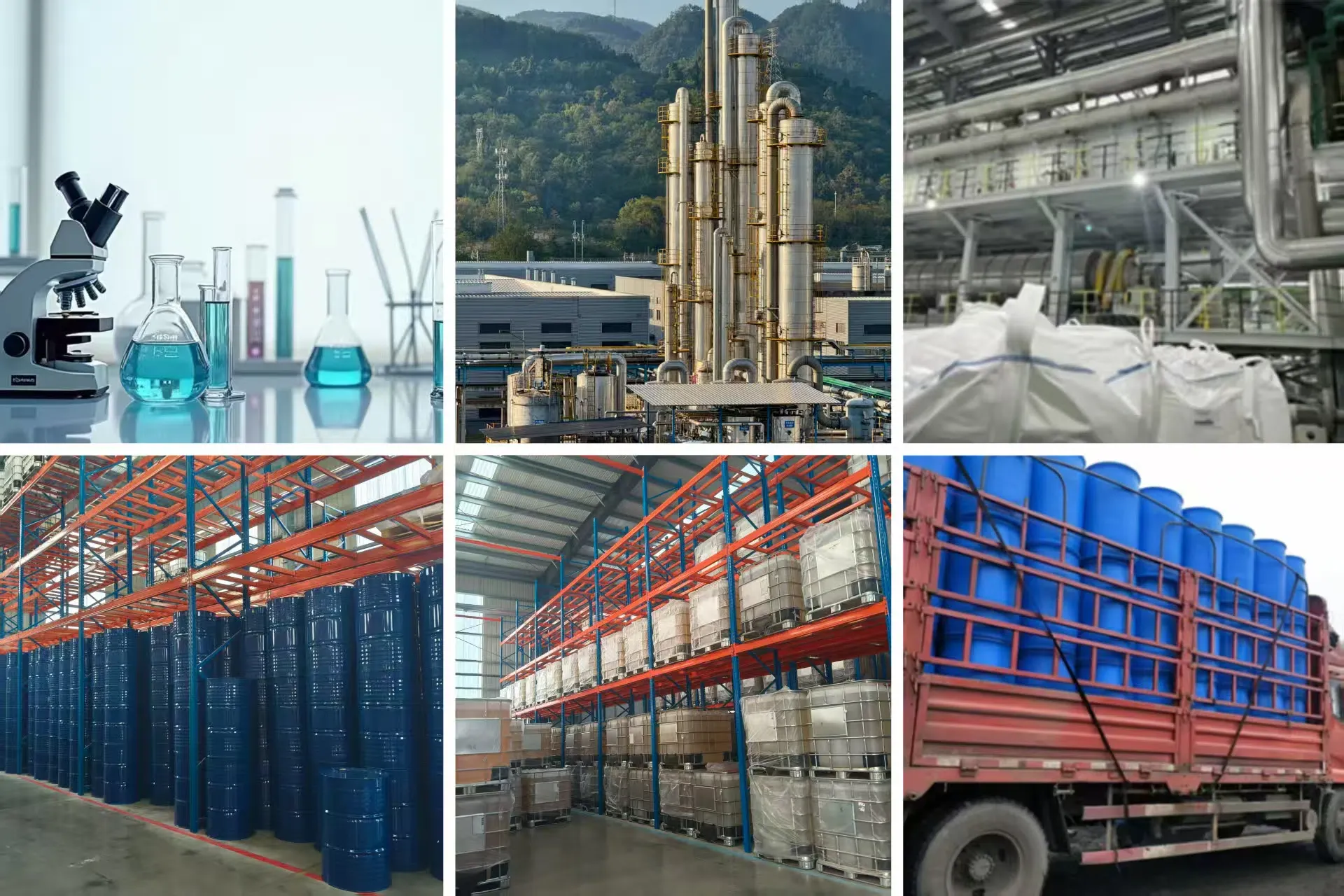
Calcium Oxide CAS#1305-78-8

High Reactivity
Calcium oxide exhibits rapid reactivity with water and carbon dioxide, leading to the formation of valuable compounds such as hydrated lime and limestone.
Natural Purity
It is sourced from natural materials including limestone, calcium carbonate, and oyster shells, which guarantees the high quality of the raw material.
High-Temperature Stability
Manufactured via calcination at temperatures between 1,700 and 2,450℃, calcium oxide boasts exceptional thermal stability and reliable performance.
Versatile Applications
Owing to its chemical reactivity and adaptability to diverse processing requirements, it is extensively utilized across various industrial sectors.
Product Details
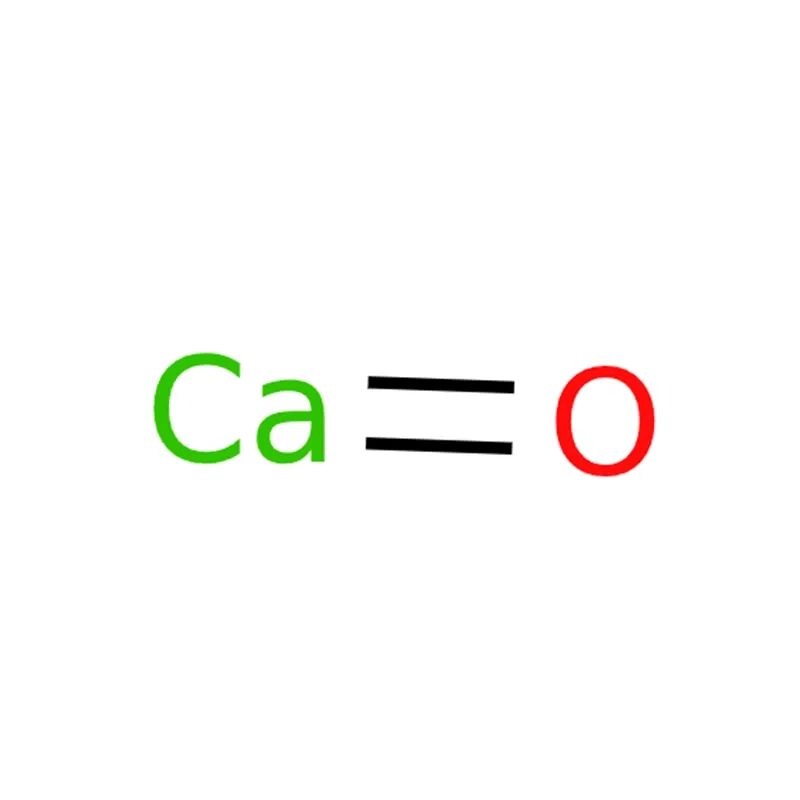
Calcium oxide (CaO, CAS No. 1305-78-8), commonly known as lime, quicklime, burnt lime, or calx, does not occur naturally. This is because it readily combines with water to form hydrated lime and with carbon dioxide to produce limestone. It is produced by calcining calcium carbonate-containing materials like limestone or oyster shells at a temperature range of 1,700 to 2,450°C.
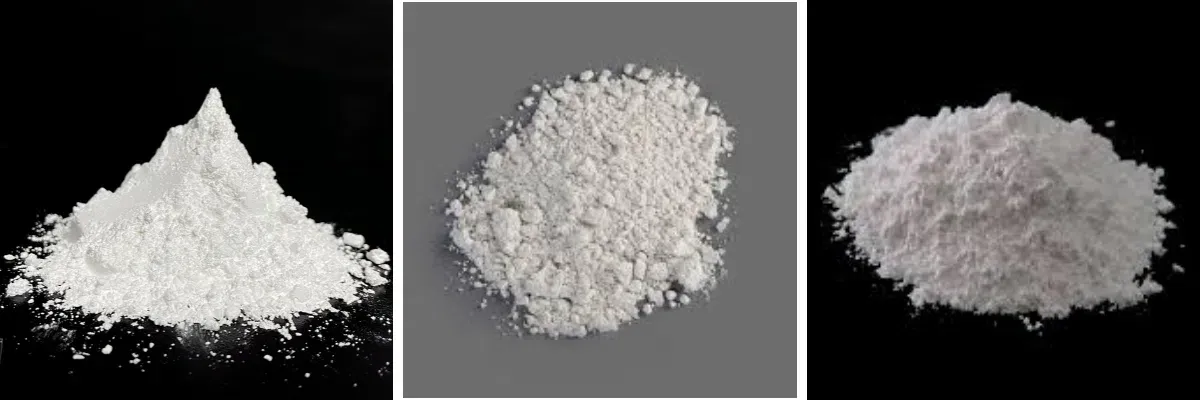
Product Details
Calcium oxide (CaO, CAS No. 1305-78-8), commonly known as lime, quicklime, burnt lime, or calx, does not occur naturally. This is because it readily combines with water to form hydrated lime and with carbon dioxide to produce limestone. It is produced by calcining calcium carbonate-containing materials like limestone or oyster shells at a temperature range of 1,700 to 2,450°C.

Calcium Oxide CAS#1305-78-8

Product Usage
Lime is widely applied in numerous industries, such as metallurgy, flue gas desulfurization, construction, mining, papermaking, and water treatment. In the refining of iron ore, calcium oxide plays a crucial role in removing impurities: it reacts with compounds like silicates, phosphates, and sulfates present in the ore to form slag.


Melting point 2570 °C
Boiling point 2850 °C (lit.)
Density 3.3 g/mL at 25 °C (lit.)
Bulk density800-1200kg/m3
Refractive index 1.83
Fp 2850°C
Storage tempno restrictions
Solubility 1.65g/l Risk of violent reaction
Form powder
Color White to yellow-very slightly beige
Specific Gravity3.3
PH12.6 (H2O, 20℃)(saturated solution)
Odorwh. or gray cryst. or powd., odorless
Water Solubility REACTS
Sensitive Air & Moisture Sensitive
Crystal StructureCubic
Crystal systemCube
Merck 14,1686
Space groupFm3m
Lattice constanta/nmb/nmc/nmα/oβ/oγ/oV/nm30.47760.47760.47769090900.1089
Dielectric constant2.2(Ambient)
Exposure limitsACGIH: TWA 2 mg/m3
OSHA: TWA 5 mg/m3
NIOSH: IDLH 25 mg/m3; TWA 2 mg/m3
StabilityStability Stable, but absorbs carbon dioxide from the air. Incompatible with water, moisture, fluorine, strong acids.
InChIKeyODINCKMPIJJUCX-UHFFFAOYSA-N
CAS DataBase Reference1305-78-8(CAS DataBase Reference)
NIST Chemistry ReferenceCalcium monoxide(1305-78-8)
EPA Substance Registry SystemCalcium oxide (1305-78-8
Calcium oxide Chemical Properties Melting point  2570 °C Boiling point  2850 °C (lit.) Density  3.3 g/mL at 25 °C (lit.) Bulk density 800-1200kg/m3 Refractive index  1.83 Fp  2850°C Storage temp no restrictions Solubility  1.65g/l Risk of violent reaction Form  powder Color  White to yellow-very slightly beige Specific Gravity 3.3 PH 12.6 (H2O, 20℃)(saturated solution) Odor wh. or gray cryst. or powd., odorless Water Solubility  REACTS Sensitive  Air & Moisture Sensitive Crystal Structure Cubic Crystal system Cube Merck  14,1686 Space group Fm3m Lattice constant a/nmb/nmc/nmα/oβ/oγ/oV/nm30.47760.47760.47769090900.1089 Dielectric constant 2.2(Ambient) Exposure limits ACGIH: TWA 2 mg/m3 OSHA: TWA 5 mg/m3 NIOSH: IDLH 25 mg/m3; TWA 2 mg/m3 Stability Stability Stable, but absorbs carbon dioxide from the air. Incompatible with water, moisture, fluorine, strong acids. InChIKey ODINCKMPIJJUCX-UHFFFAOYSA-N CAS DataBase Reference 1305-78-8(CAS DataBase Reference) NIST Chemistry Reference Calcium monoxide(1305-78-8) EPA Substance Registry System Calcium oxide (1305-78-8

Online Consultation

Please fill out the form below and we will contact you as soon as possible