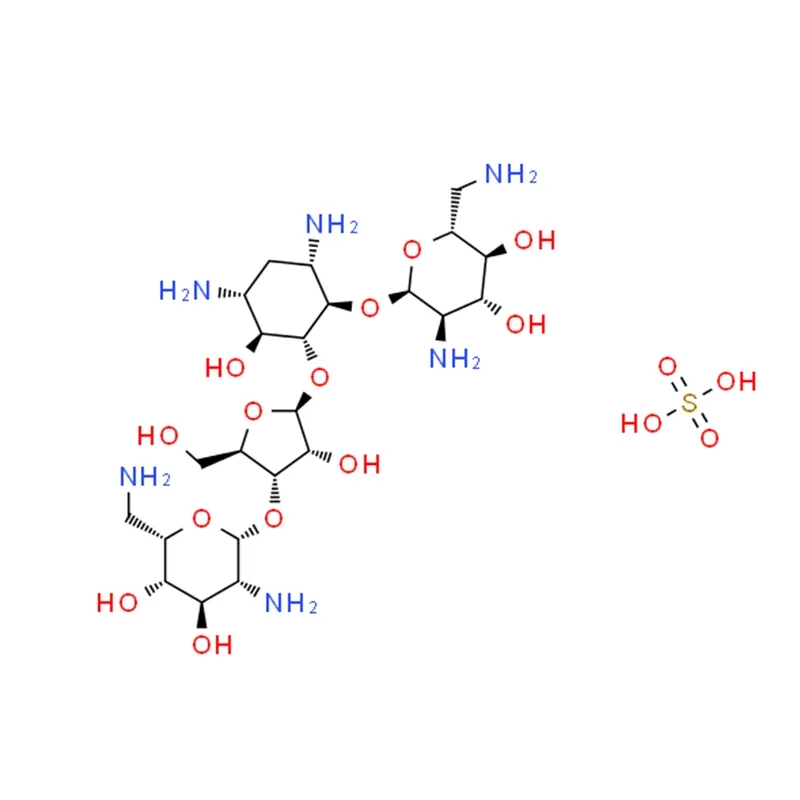
Product Details
Neomycin sulfate is an aminoglycoside antibiotic and a calcium channel protein inhibitor. It binds to prokaryotic ribosomes, inhibiting protein translation, and is effective against both gram-positive and gram-negative bacteria. Additionally, it inhibits PLC (Phospholipase C) by binding to inositol phospholipids, suppresses phosphatidylcholine-PLD activity, and induces Ca²⁺ mobilization and PLA2 activation in human platelets. Neomycin sulfate also prevents DNase I–induced DNA degradation. It is primarily used to prevent or treat bacterial skin infections and is not effective against fungal or viral infections.
Neomycin sulfate Chemical Properties
| Melting point | >187°C (dec.) |
| Alpha | D20 +54° (c = 2 in H2O) |
| Bulk density | 640kg/m3 |
| Refractive index | 56 ° (C=10, H2O) |
| Fp | 56℃ |
| Storage temp | 2-8°C |
| Solubility | H2O: 50 mg/mL As a stock solution. Stock solutions should be filter sterilized and stored at 2-8°C. Stable at 37°C for 5 days. |
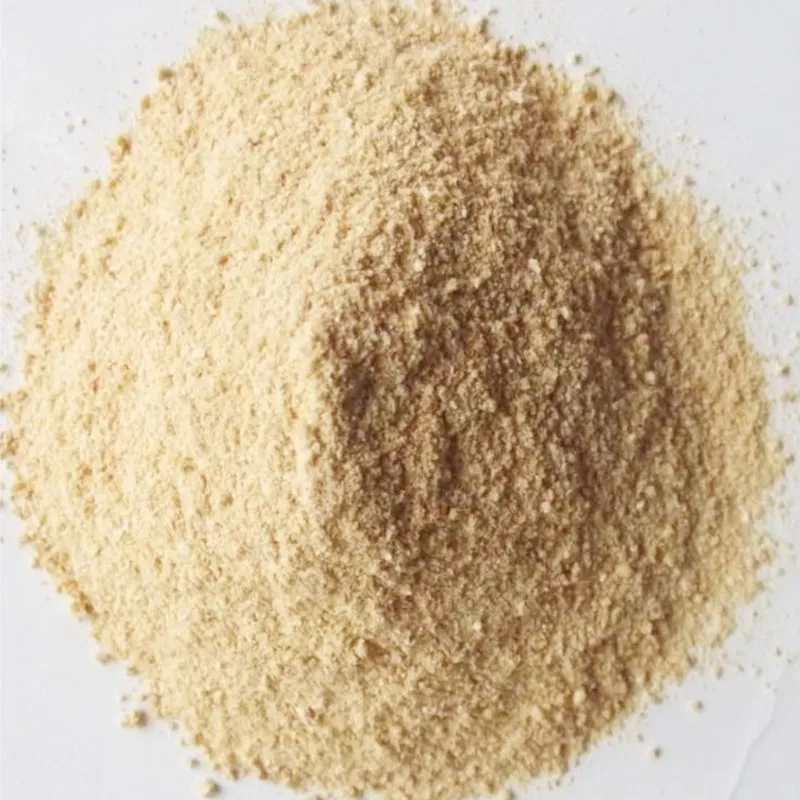
| Form | powder |
| Color | white to slightly yellow |
| PH | 5.0-7.5 (50g/l, H2O, 20℃) |
| Biological source | Streptomyces sp |
| Water Solubility | Soluble in water |
| Merck | 14,6454 |
| Stability | Stable. Incompatible with strong oxidizing agents. |
| InChIKey | OIXVKQDWLFHVGR-VTSVPHRWSA-N |
| LogP | -3.655 (est) |
| CAS DataBase Reference | 1405-10-3(CAS DataBase Reference) |
| EPA Substance Registry System | Neomycin sulfate (1405-10-3) |
Safety Information
| Hazard Codes | Xn,Xi |
| Risk Statements | 42/43-22 |
| Safety Statements | 23-36/37-45-22-36-24/25 |
| WGK Germany | 3 |
| RTECS | QP4375000 |
| F | 8 |
| TSCA | Yes |
| HS Code | 29419000 |
| Toxicity | LD50 oral in mouse: > 8gm |
Neomycin sulfate is an aminoglycoside antibiotic produced by S. fradiae that inhibits protein translation by binding to the small subunit of prokaryotic ribosomes. It blocks voltage-sensitive Ca²⁺ channels and acts as a potent inhibitor of Ca²⁺ release from skeletal muscle sarcoplasmic reticulum. Neomycin sulfate has been shown to inhibit inositol phospholipid turnover, phospholipase C, and phosphatidylcholine–phospholipase D activity (IC50 = 65 μM). It is highly effective against both Gram-positive and Gram-negative bacteria and is commonly used to prevent bacterial contamination in cell cultures.