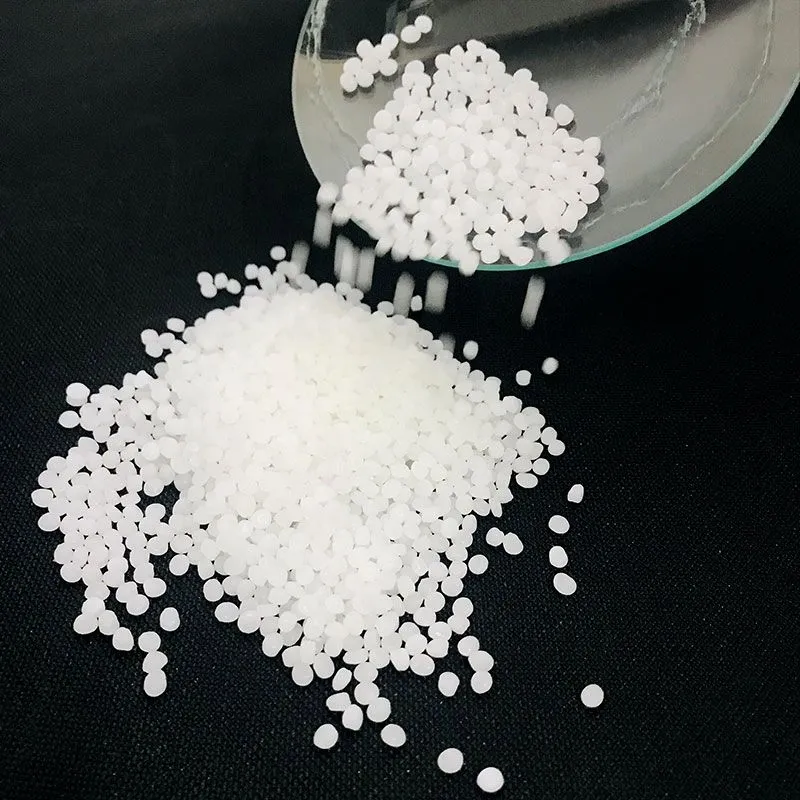
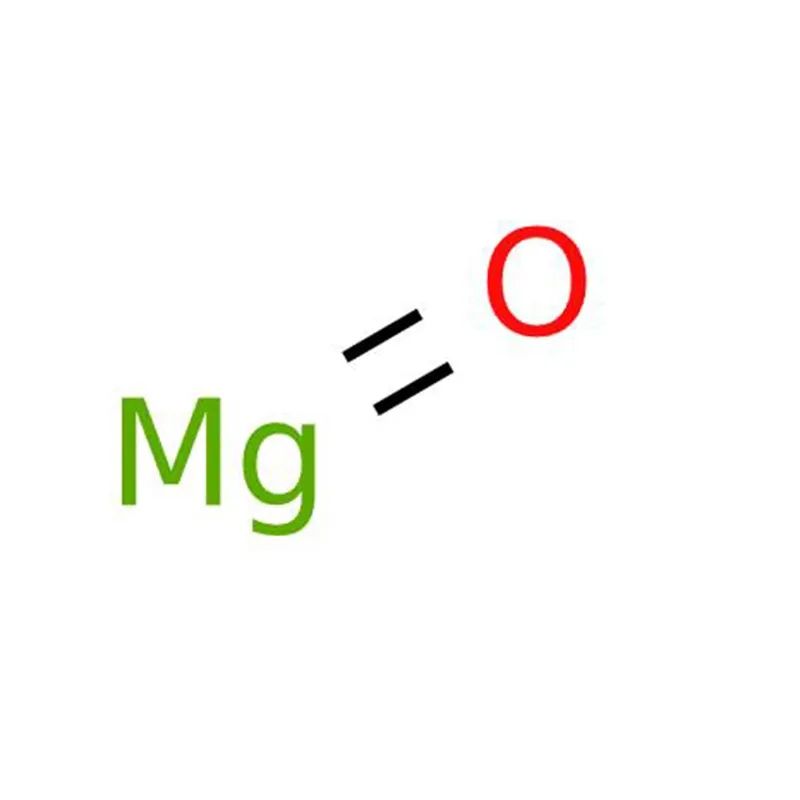
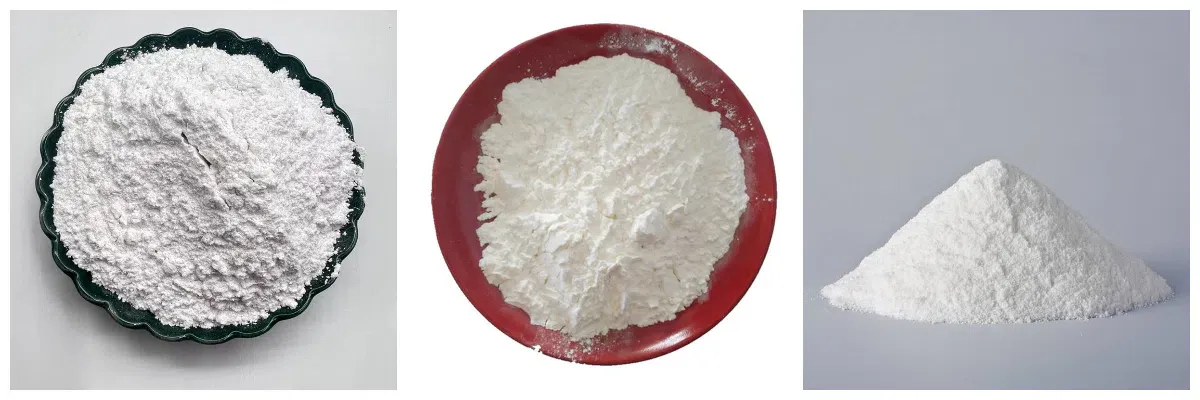
Magnesium Oxide (also commonly named Magnesia, chemical formula: MgO) is a typical oxide of alkaline earth metal.
It appears as fine white powder, featuring an ultra-high melting point at 2852°C and boiling point up to 3600°C, with a relative density of 3.58 under 25°C ambient temperature.
In terms of chemical properties, MgO is soluble in acid and ammonium salt solutions. It slowly reacts with water to generate magnesium hydroxide, and can further form magnesium bicarbonate when exposed to aqueous carbon dioxide solution.
This product is prone to absorbing moisture and carbon dioxide from ambient air during storage. In addition, it will emit slightly irritating vapor when subjected to heating treatment.
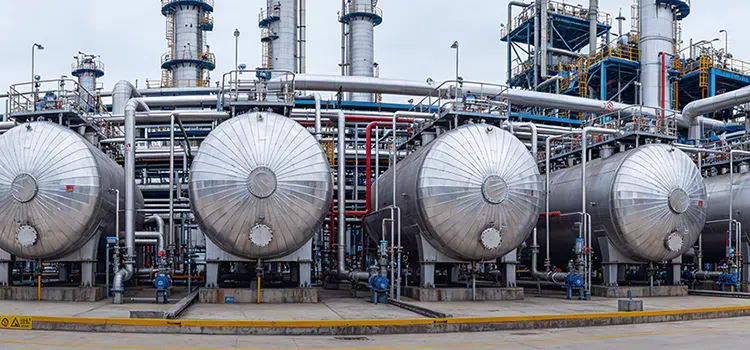
Magnesium oxide is mainly manufactured from three core raw materials: magnesite ore, dolomite and seawater.
One mainstream production route is high-temperature calcination to thermally decompose magnesite or dolomite directly into magnesium oxide.
For seawater-based production, calcium hydroxide is added to seawater to precipitate magnesium hydroxide, which is further calcined into finished MgO.
A third process takes magnesium chloride brine leftover after bromine extraction from seawater or salt brine. By dosing sodium hydroxide or sodium carbonate, we get precipitates of magnesium hydroxide or basic magnesium carbonate, which are then calcined to produce magnesium oxide.
At present, magnesite, dolomite, brine and solid brine residues are the dominant feedstock adopted by Chinese manufacturers for magnesium oxide production
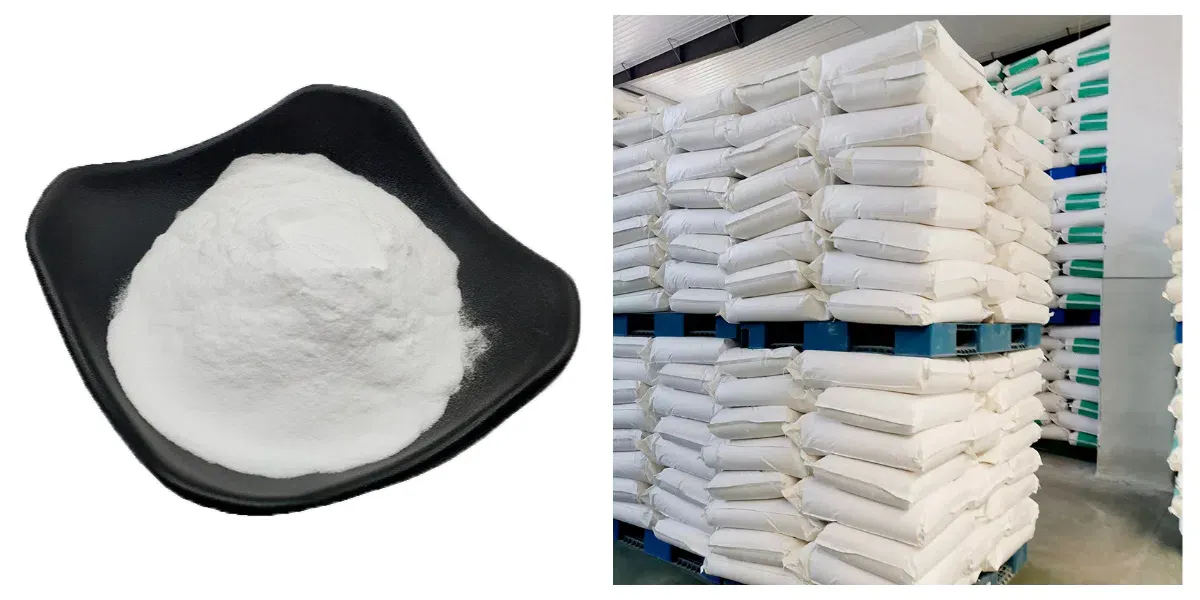
Raw materials used to produce magnesium oxide mainly fall into three categories: magnesite, dolomite and seawater resources.
Producers can heat magnesite or dolomite to trigger thermal breakdown and directly make magnesium oxide.
When taking seawater as the starting material, calcium hydroxide is mixed in to generate magnesium hydroxide sediment; after high-temperature roasting of this precipitate, magnesium oxide is obtained.
In addition, magnesium chloride brine can be sourced from seawater or natural brine following bromine extraction. Reacting this brine with sodium hydroxide or sodium carbonate will form magnesium hydroxide or basic magnesium carbonate solids. These solids are later incinerated to prepare finished magnesium oxide.
In China’s industrial production system, magnesite, dolomite, brine and solid brine lumps serve as the major raw material sources for magnesium oxide fabrication.
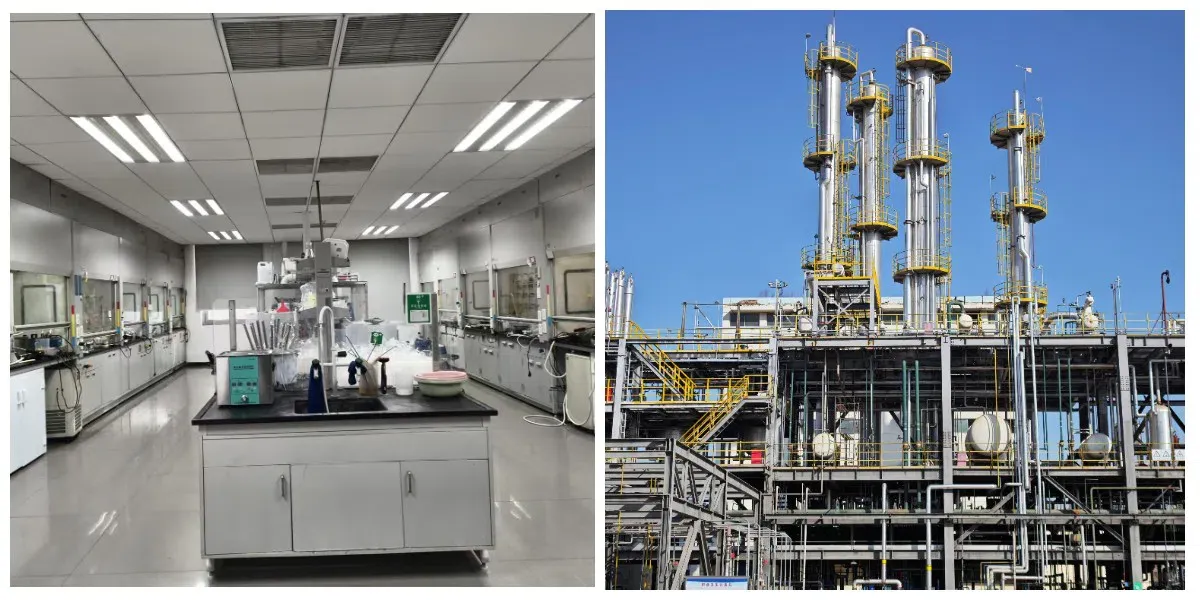
Of all magnesium chemical compounds, magnesium oxide boasts the largest output, making up roughly three-quarters of industrial magnesium products in total.
Magnesium oxide calcined under 900℃ is defined as light magnesium oxide. It is lightweight with a big specific surface area and powerful adsorption ability.
It can be deployed as a catalyst and rubber filler to optimize rubber performance, and mixed with magnesium chloride liquor to produce magnesium cement.
It works as a fire retardant for building materials. Medicinally, it neutralizes excess stomach acid and eases constipation, widely used for gastric and duodenal ulcer treatment, usually paired with astringent calcium carbonate. Additionally, it is widely added to animal feed and agricultural fertilizers.
Light magnesium oxide calcined at 950 to 1050 °C comes with higher bulk density and a well-controlled particle size distribution, alongside better water wettability.
It is mainly adopted as a release agent for silicon steel sheets. During high-temperature fabrication, it reacts with silicon dioxide on the material surface to generate a magnesium silicate film, which effectively avoids adhesion and sintering between sheets.
Heavy magnesium oxide is manufactured under a calcination temperature ranging from 1500 °C to 1800 °C. It possesses high density and an extremely small specific surface area, paired with outstanding thermal stability. Its chemical activity is greatly weakened, displaying slower acid dissolution and hydration speeds. Thanks to these properties, it is widely applied in high-temperature refractory materials, such as the production of refractory crucibles and furnace inner linings.