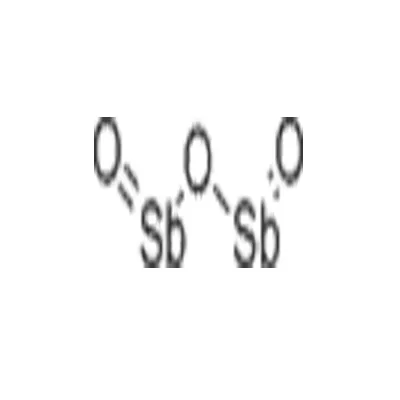
Antimony trioxide (CAS# 1309‑64‑4)
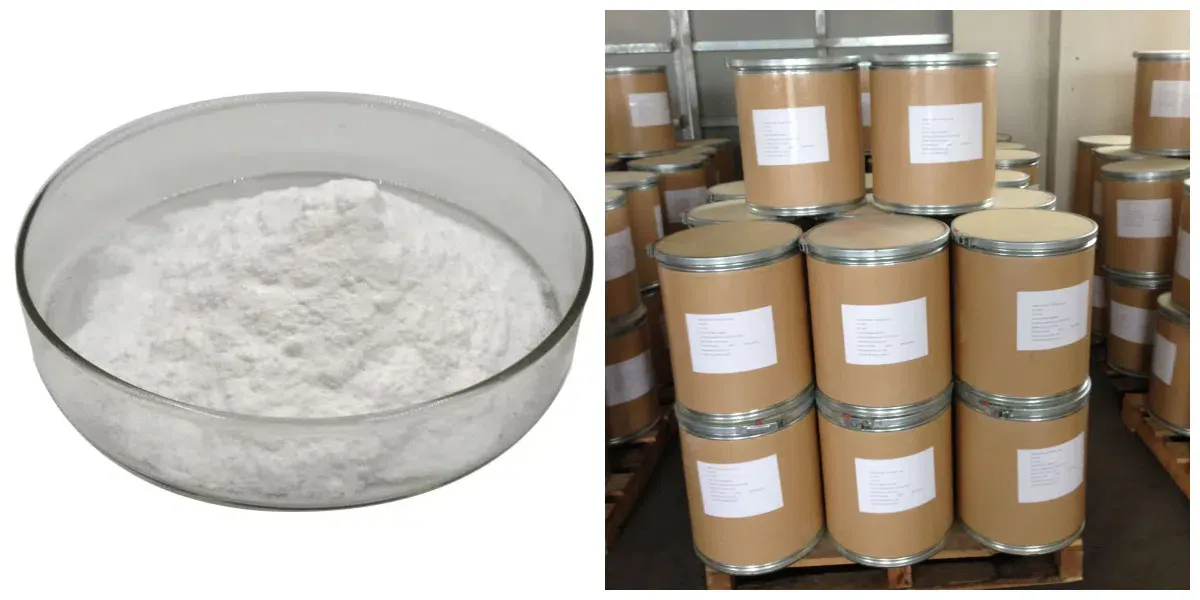
A white, water‑insoluble solid. As an amphoteric oxide, it predominantly exhibits basic properties. It can be synthesized via direct oxidation with air, oxygen or steam. It may also be obtained through hydrolysis of antimony(III) chloride in excess boiling water.
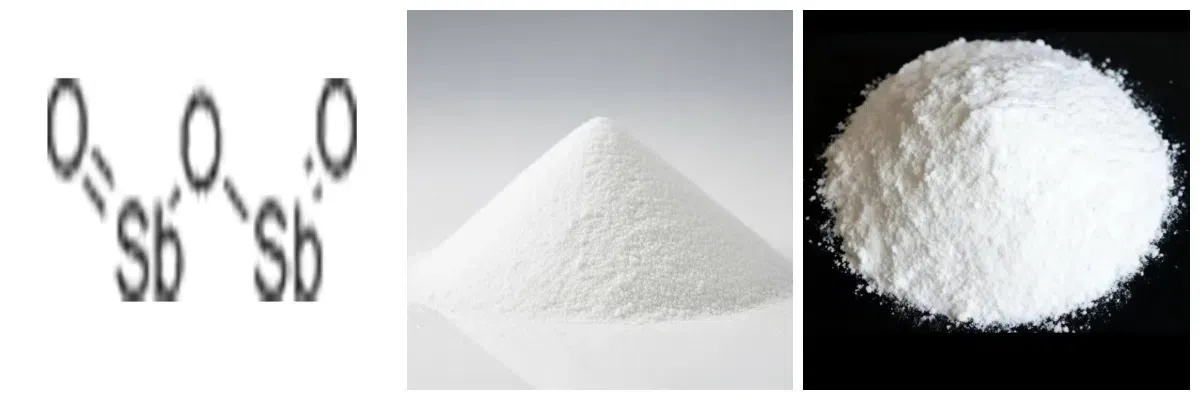
Diantimony trioxide Chemical Properties |
Melting point | 655 °C (lit.) |
Boiling point | 1550 °C (lit.) |
bulk density | 800-1300kg/m3 |
density | 5.20 |
vapor pressure | 13.3 hPa (660 °C) |
Fp | 1550°C subl. |
storage temp. | Store below +30°C. |
solubility | 2.70mg/l |
form | powder |
color | White |
Specific Gravity | 5.67 |
Odor | wh. cubic or orthorhombic cryst., odorless |
biological source | rabbit |
Water Solubility | Slightly soluble. <0.1 g/100 mL at 20 ºC |
crystal system | Cube |
Merck | 14,711 |
Space group | Fd3m |
Lattice constant | a/nmb/nmc/nmα/oβ/oγ/oV/nm31.1141.1141.1149090901.3825 |
Exposure limits | ACGIH: TWA 0.5 mg/m3 |
Stability: | Stable. |
InChI | 1S/3O.2Sb |
InChIKey | MUBFITUCTVFSOJ-UHFFFAOYSA-L |
SMILES | O=[Sb]O[Sb]=O |
CAS DataBase Reference | 1309-64-4(CAS DataBase Reference) |
IARC | 2B (Vol. 47) 1989 |
NIST Chemistry Reference | Antimony trioxide(1309-64-4) |
EPA Substance Registry System | Antimony trioxide (1309-64-4) |
Safety Information |
Hazard Codes | Xn,Xi,T |
Risk Statements | 40-61 |
Safety Statements | 22-36/37-45-53 |
RIDADR | 1549 |
WGK Germany | 2 |
RTECS | CC5650000 |
Hazard Note | Irritant |
TSCA | TSCA listed |
HazardClass | 6.1 |
PackingGroup | III |
HS Code | 28258000 |
Storage Class | 13 - Non Combustible Solids |
Hazard Classifications | Carc. 2 |
Hazardous Substances Data | 1309-64-4(Hazardous Substances Data) |
Toxicity | LD50 orally in rats: >20 g/kg (Smyth) |
Diantimony trioxide CAS#1309‑64‑4
Product Application
Main Industrial Scenarios
Antimony oxide, Sb₂O₃, is an inert‑type white pigment manufactured from metallic antimony with production techniques similar to zinc oxide preparation.
It is widely compounded with chlorine‑containing resins for fire‑retardant paint production. When exposed to fire, chlorine released by resin decomposition reacts with antimony oxide, generating antimony‑chloride vapor to form flame‑suppressing shielding layer over combustion surfaces. Besides, it can mitigate excessive chalking defects caused by anatase‑type titanium dioxide in coating formulations.
Extended Application Fields
Plastic & rubber industry: Serves as synergistic flame‑retardant additive for various plastic and rubber products; different particle‑size grades are available to adjust whiteness, opacity and translucency of finished plastic articles.
Chemical raw material: Acts as key intermediate for producing antimony salts, mordants and special‑type catalysts.
Ceramic & glass industry: Applied as opacifying agent and clarifying agent for special glass and ceramic glazes.
Product Specifications & Chemical Properties
Basic Parameters
CAS No.: 1309‑64‑4
Chemical Formula: Sb₂O₃
Appearance: White powder
Melting point: 655 °C
Boiling point: 1550 °C (sublimation)
Bulk density: 800‑1300 kg/m³
Water Solubility: Slightly soluble in water
Stability: Chemically stable under normal ambient conditions.
Packaging & Transportation
Standard Packaging Options
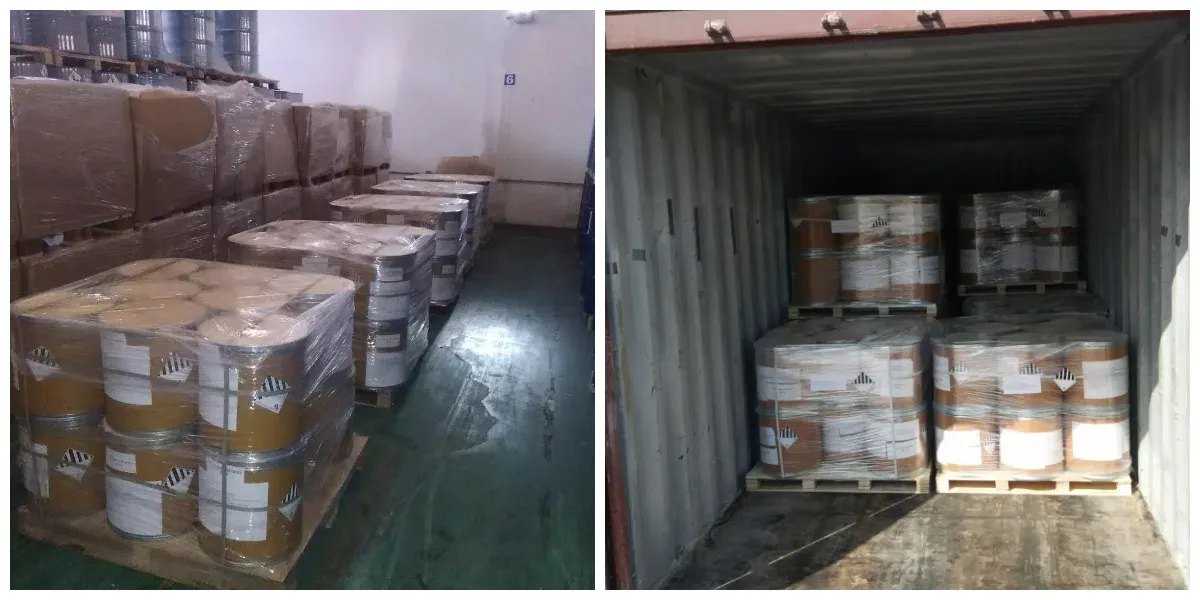
Inner layer adopts sealed PE plastic bag for dust‑proof and moisture‑proof performance. Outer packing uses 25 kg paper‑plastic composite bag; ton‑bag packaging is also available for bulk shipment. Custom‑made packaging solutions can be offered upon client requirement.
UN transport classification: UN 1549, Hazard Class 6.1, Packing Group III, complying with IMDG and ADR shipping regulations.
Transport Notes
Handle packages gently to avoid bag tearing and powder leakage. Keep away from rain and direct sunlight during transit. Do not load together with foodstuff, feed and strong oxidizing substances. Pallet stacking is recommended to reduce mechanical damage.
Storage Requirements
Store in cool, dry and well‑ventilated warehouse below +30°C. Keep containers tightly closed at all times. Isolate from oxidizing agents and food‑related goods. Place goods on pallets instead of direct ground contact to prevent damp contamination. Regular cleaning is required to avoid accumulated antimony‑containing dust inside storage zone.
Delivery & After‑sales Service
Lead Time
In‑stock goods: 2‑3 working days
New production order: 7‑10 working days
Our Service Support
Pre‑shipment inspection: Batch‑specific factory test report will be provided before each shipment.
Sample support: Small‑quantity test samples can be supplied for laboratory evaluation.
Customization service: Different particle‑size grades and impurity‑control standards are adjustable to satisfy flame‑retardant, pigment or ceramic‑grade requirements.
After‑sales response: Rapid feedback for any quality‑related issues after goods arrival.
Document supply: Complete export documents including SDS and COA can be provided.
Cooperation & Customer Cases
We supply stable‑quality diantimony trioxide for flame‑retardant material factories, coating and paint manufacturers, plastic modification enterprises and ceramic‑glass producers. Our clients spread across Southeast Asia, Middle East, Europe and Latin America. Multiple product grades can match different end‑use technical thresholds for flame retardancy, pigment opacification and chemical synthesis.
FAQ
Q1: What is your MOQ for diantimony trioxide?
A1: Standard MOQ is 1 FCL. Small trial‑order volume can be negotiated for prospective long‑term partners.
Q2: What grade differences exist for antimony trioxide?
A2: Main distinctions lie in purity, particle‑size distribution and impurity contents. Fine‑particle grade delivers higher whiteness and opacity for paints and plastics; coarse‑particle low‑tint grade is suitable for translucent plastic products.
Q3: What protective operations should be followed during handling?
A3: Avoid dust inhalation. Operators need dust‑proof respirator, safety goggles and protective gloves. Prevent powder from spilling into sewer and water systems. Clean dust spillage with wet‑type method to stop airborne dust dispersion.
Q4: Can you supply SDS and batch COA documents?
A4: Yes, SDS and batch‑wise Certificate of Analysis will be provided together with shipping documents.
Q5: What payment terms are acceptable for bulk orders?
A5: T/T and irrevocable L/C at sight are supported for large‑volume shipments.
Safety Reminder
Suspected of carcinogenic risk. Irritating to skin, eyes and respiratory tract. Avoid long‑time dust exposure. Waste residues and contaminated packaging must be disposed strictly in accordance with local environmental‑protection regulations.