
Basic Chemical Profile
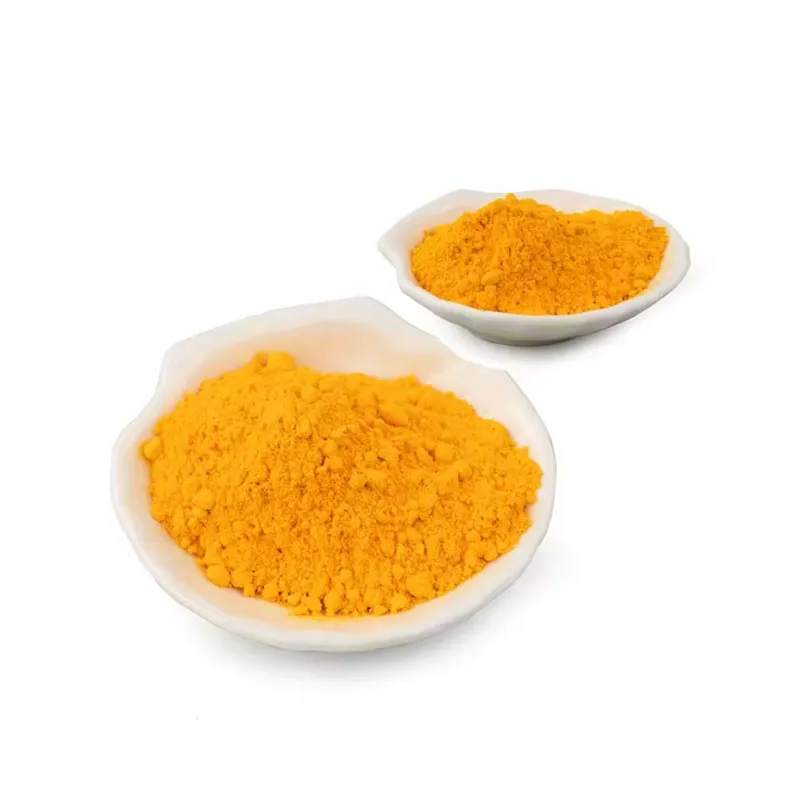
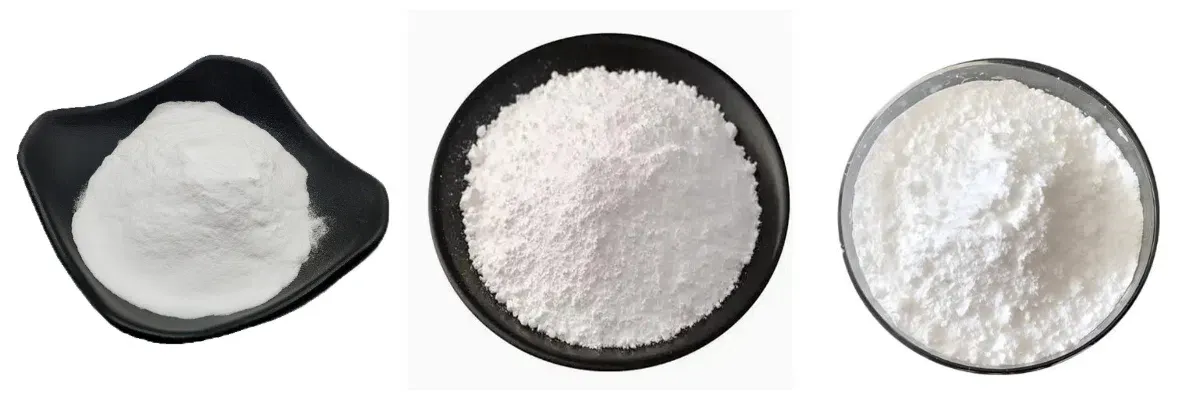
Potassium Carbonate, withmolecular formula , is also widely referred to as potash in industrial fields. This inorganic salt appears as colorless transparent crystals or fine white granular solids. It features excellent water solubility, and its aqueous solution presents prominent strong alkalinity.
When cooling down the saturated aqueous solution of potassium carbonate, glassy monoclinic crystal hydrate will precipitate out, which has a density of 2.043 and will completely lose crystal water once heated to 100°C. The product cannot be dissolved in organic solvents including ethanol, acetone and diethyl ether.
Core Chemical Properties
The material is highly hygroscopic. When exposed to open air, it readily absorbs moisture and carbon dioxide, gradually converting into potassium bicarbonate after chemical reaction.
Main Synthesis Routes
There are multiple mature preparation processes for industrial-grade potassium carbonate:
- Synthesized via the reaction between potassium hydroxide and carbon dioxide;
- Produced under pressurized conditions by heating potassium chloride, magnesium carbonate, water and carbon dioxide together;
- Extracted and refined from tung nut ash and plant ash through soaking and leaching procedures.
Wide Application Fields
It serves as a fundamental industrial raw material applied in numerous sectors: syngas decarbonization treatment, manufacturing of electronic tubes, glass products, enamel crafts, textile printing & dyeing, welding electrode production, photographic film developing, preparation of various inorganic salts, as well as picture tube glass casing processing.
Crude potassium carbonate is generally named grass alkali, tung alkali or pearl ash. In agricultural scenarios, it counts as an early classic type of potash fertilizer.
| Melting point | 891 °C (lit.) |
| Boiling point | decomposes [STR93] |
| density | 2.43 g/mL at 25 °C |
| storage temp. | Store at +5°C to +30°C. |
| solubility | H2O: 1 M at 20 °C, clear, colorless |
| pka | 10.33[at 20 ℃] |
| form | powder |
| Specific Gravity | 2.29 |
| color | Yellow |
| PH | 10.52(1 mM solution);11(10 mM solution);11.36(100 mM solution); |
| Odor | at 100.00?%. odorless |
| Water Solubility | 1120 g/L (20 ºC) |
| Sensitive | Hygroscopic |
| λmax | λ: 260 nm Amax: 0.03 λ: 280 nm Amax: 0.02 |
| Merck | 14,7619 |
| BRN | 4267587 |
| Dielectric constant | 5.6(16.0℃) |
| Stability: | Stable. Incompatible with moisture, acids, magnesium bromine trifluoride and magnesium bromine trichloride. |
| CAS DataBase Reference | 584-08-7(CAS DataBase Reference) |
| NIST Chemistry Reference | Dipotassium carbonate(584-08-7) |
| EPA Substance Registry System | Potassium carbonate (584-08-7) |
Safety Information
| Hazard Codes | Xn |
| Risk Statements | 22-36/37/38-20/21/22 |
| Safety Statements | 26-36-37/39 |
| RIDADR | 3262 |
| WGK Germany | 1 |
| RTECS | TS7750000 |
| F | 3 |
| TSCA | Yes |
| PackingGroup | III |
| HS Code | 28364000 |
| Hazardous Substances Data | 584-08-7(Hazardous Substances Data) |
| Toxicity | LD50 orally in rats: 1.87 g/kg, H. F. Smyth et al., Am. Ind. Hyg. Assoc. J. 30, 470 (1969) |
Product Application | Potassium Carbonate CAS 584-08-7
Glass & Optical Industry
Manufacture optical glass to boost transparency, mechanical strength and refractive index
Heavy-grade potassium carbonate: core raw material for CRT tube glass shells and special glass; applied to decarbonization in large-scale fertilizer plants
Textile & Dyeing Field
Fabricate vat dyes, support printing, ice dyeing processes
Scour cotton fabric and degrease wool with its aqueous solution
Chemical & Industrial Additives
Adsorb hydrogen sulfide and carbon dioxide for gas purification
Blend with soda ash to prepare dry powder fire extinguishing agent
Serve as auxiliary feedstock for acetone & alcohol synthesis, plus antioxidant for rubber manufacturing
Applied in ink, polyester, electroplating, leather, ceramic, building material, crystal and potassium soap production
Welding & Photographic Materials
Added into welding electrodes to avoid arc interruption during welding
Used for photographic chemicals and exposure-type photosensitive material processing
Pharmaceutical & Laboratory Use
Raw material for pharmaceutical production
Work as analytical standard reagents and flux for melting silicates & insoluble sulfates
Function as food leavening agent
Act as alkalizer and dough conditioner to neutralize sour taste in noodle & flour-based foods