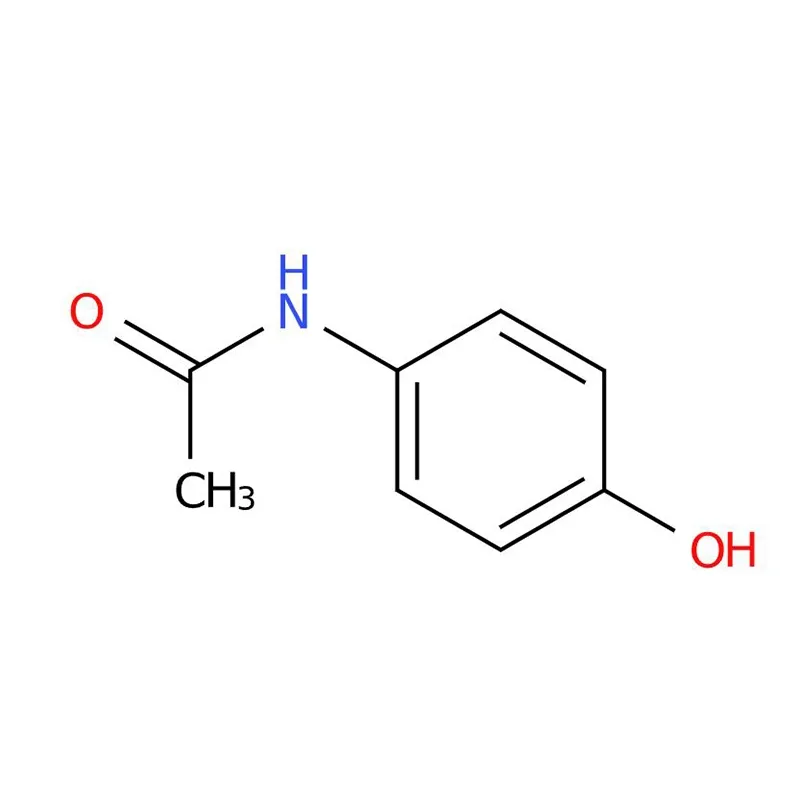
Chemically named N-(4-hydroxyphenyl)acetamide, acetaminophen is also widely traded under the commercial alias Paracetamol. Classified as an acetanilide-class antipyretic and analgesic, it is a core pharmaceutical raw material for OTC pain relief preparations.
This compound was first synthesized by Morse back in 1878, and later put into formal clinical application by Von Mering in 1893. In 1955, it was officially approved as an over-the-counter medication in the US. As documented by Chemicalbook, large-scale manufacturing of acetaminophen in China was successfully launched in the late 1950s.
Physical Properties & Storage Stability of Acetaminophen
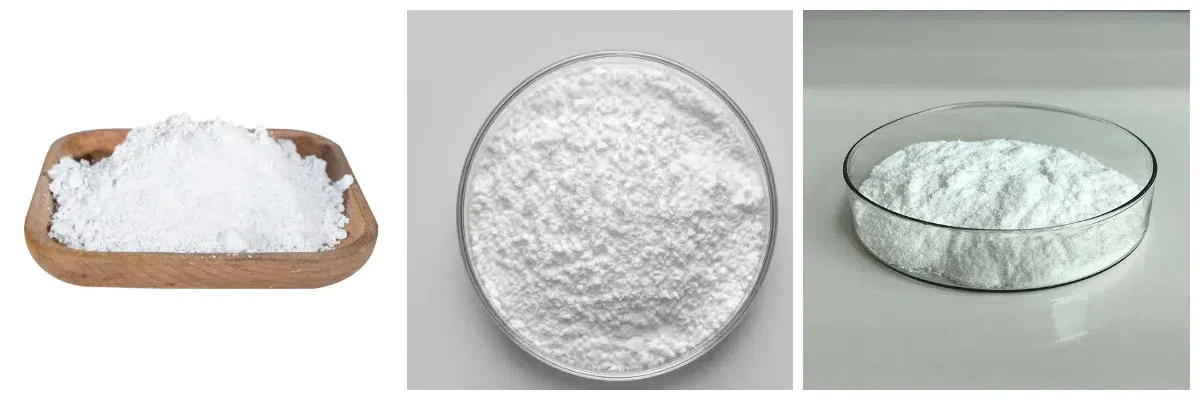
Our acetaminophen appears as white crystalline powder or white crystals. Its melting point falls within 168–172°C. The product is odorless and carries a faint bitter taste.
In terms of solubility: it dissolves freely in hot water and ethanol, shows moderate solubility in acetone, and barely dissolves in cold water and petroleum ether.
This API maintains stable chemical properties under 45°C. Yet long-term storage in high humidity will trigger hydrolysis, generating p-aminophenol as an impurity. The intermediate substance is prone to oxidation, causing the material to gradually discolor—shifting from light pink to brown, and finally dark black.
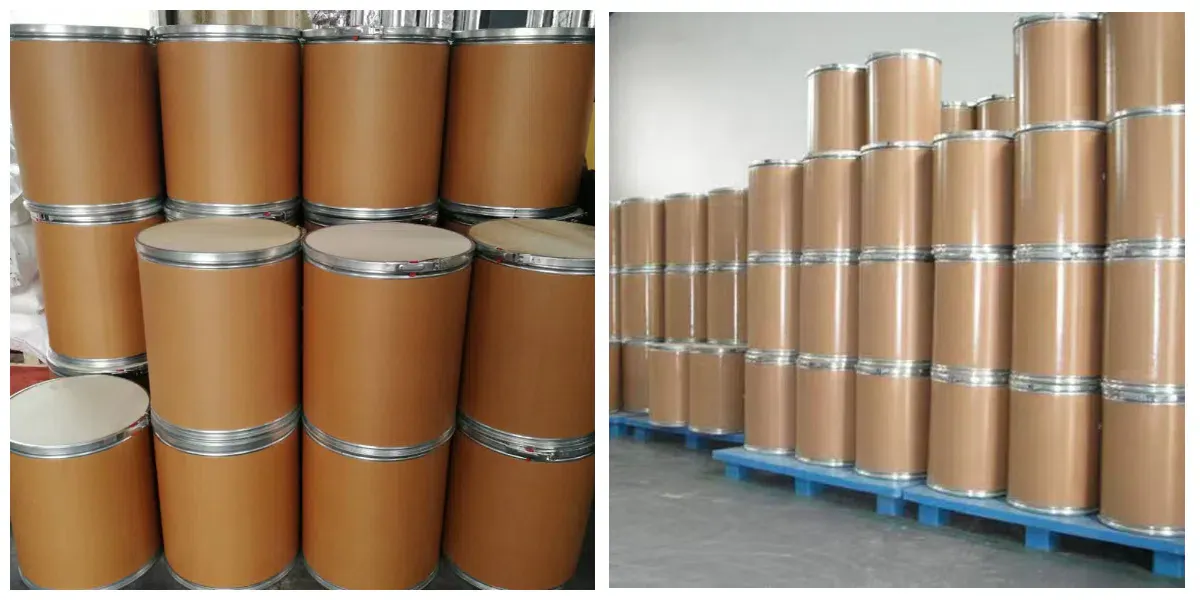
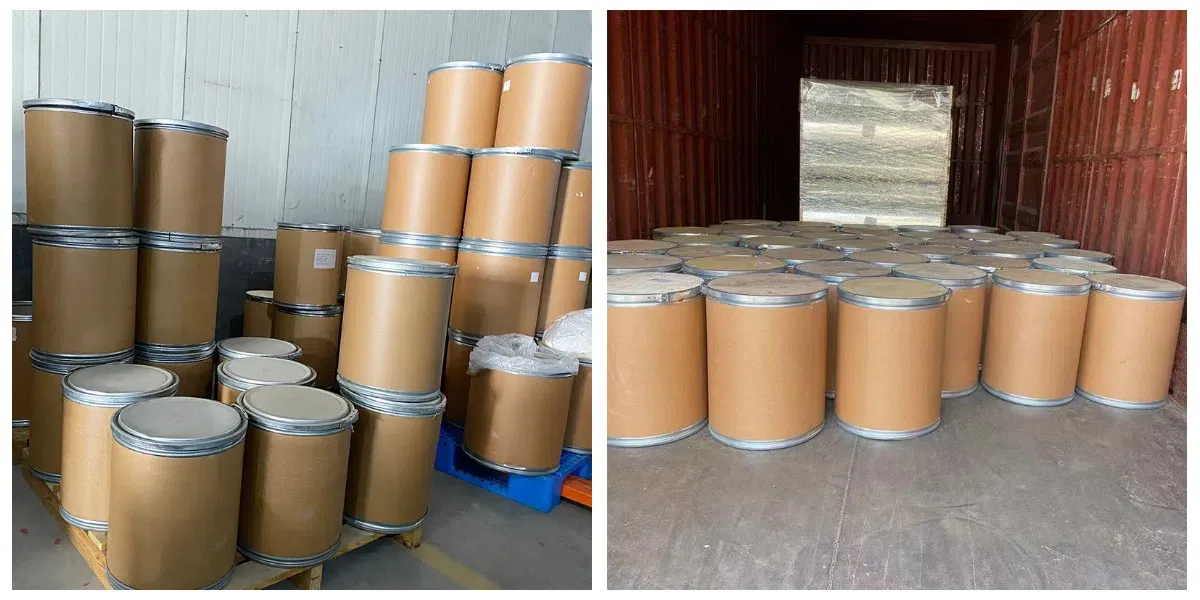
To retain full product quality and purity, store the goods in cool, dry warehouses with low humidity.
| Melting point | 168-172 °C(lit.) |
| Boiling point | 273.17°C (rough estimate) |
| density | 1,293 g/cm3 |
| vapor pressure | 0.008Pa at 25℃ |
| refractive index | 1.5810 (rough estimate) |
| Fp | 11 °C |
| storage temp. | Inert atmosphere,Room Temperature |
| solubility | ethanol: soluble0.5M, clear, colorless |
| form | Crystals or Crystalline Powder |
| pka | 9.86±0.13(Predicted) |
| color | White |
| PH Range | 5.5 - 6.5 (H?O, 20 °C) (saturated solution) |
| PH | 5.5-6.5 (H2O, 20℃)(saturated solution) |
| Odor | odorless |
| explosive limit | 15%(V) |
| Water Solubility | 14 g/L (20 ºC) |
| Merck | 14,47 |
| BRN | 2208089 |
| BCS Class | 3,4 |
| InChIKey | RZVAJINKPMORJF-UHFFFAOYSA-N |
| LogP | 1.098 at 25℃ |
| CAS DataBase Reference | 103-90-2(CAS DataBase Reference) |
| NIST Chemistry Reference | Acetaminophen(103-90-2) |
| IARC | 3 (Vol. 50, 73) 1999 |
| EPA Substance Registry System | Acetaminophen (103-90-2) |
| Safety Information |
|
| Hazard Codes | Xn,T,F |
| Risk Statements | 22-36/37/38-52/53-36/38-40-39/23/24/25-23/24/25-11 |
| Safety Statements | 26-36-61-37/39-22-45-36/37-16-7 |
| RIDADR | UN 3077 9/PG III |
| WGK Germany | 1 |
| RTECS | AE4200000 |
| Autoignition Temperature | 540 °C |
| TSCA | Yes |
| HazardClass | 9 |
| PackingGroup | III |
| HS Code | 29242930 |
| Hazardous Substances Data | 103-90-2(Hazardous Substances Data) |
| Toxicity | LD50 in mice (mg/kg): 338 orally (Starmer), 500 i.p. (Dahlin, Nelson |