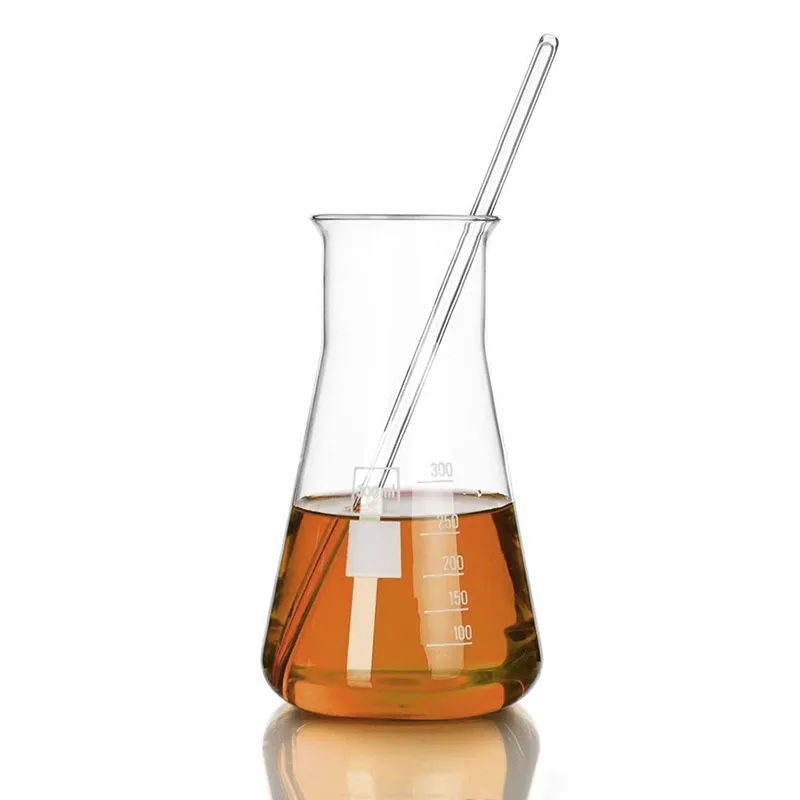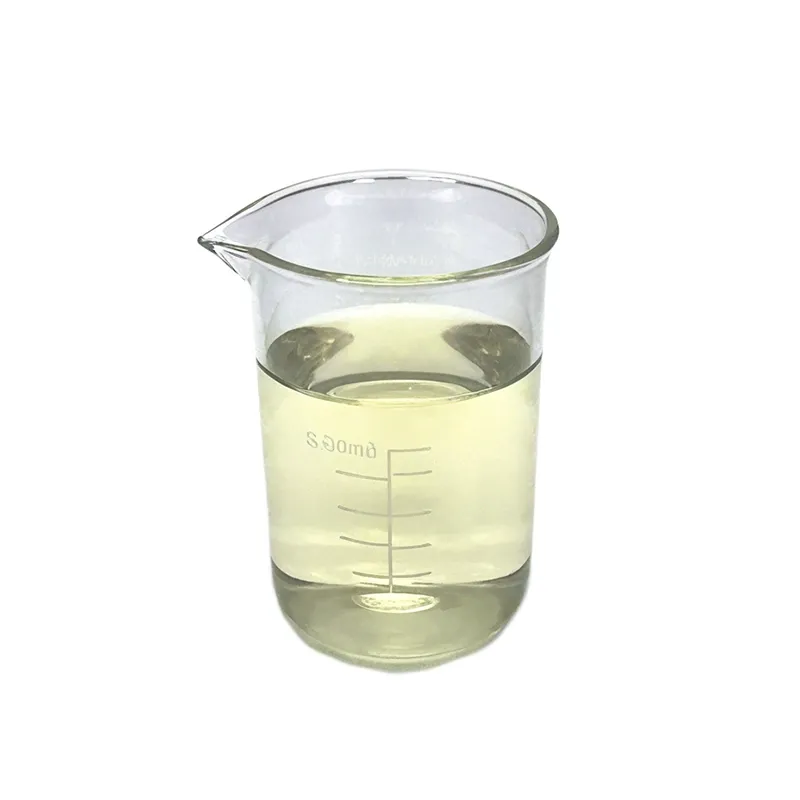
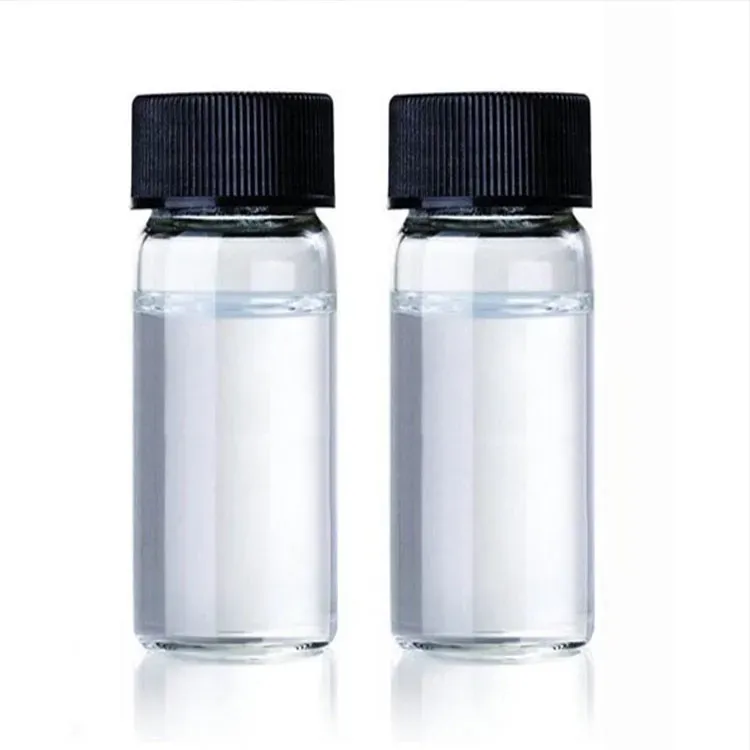
Glycerol is a colorless, viscous, hygroscopic trihydric alcohol with a sweet taste. It is also known as glycerin. Strictly speaking, glycerol refers to the pure chemical substance, while glycerin / glycerine is the commercial designation for products of different grades widely used in the market.
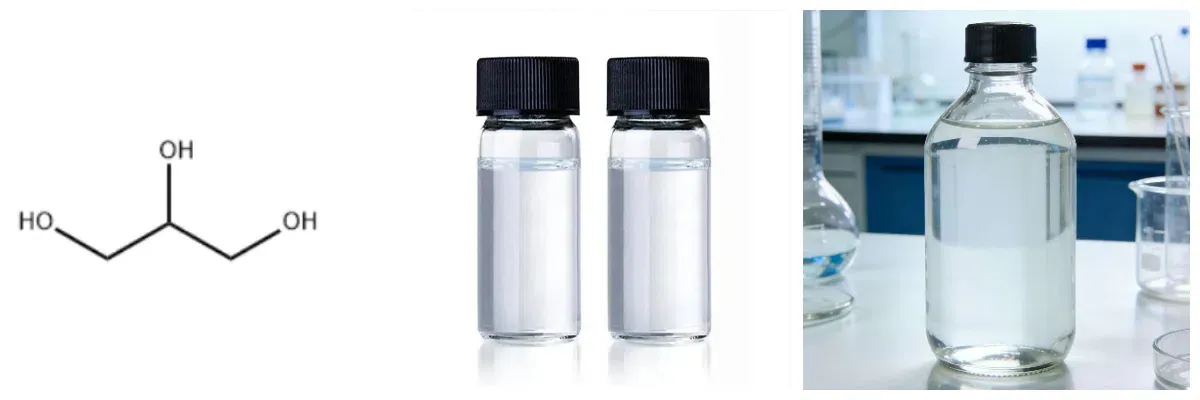
Parameters
Melting point | 20 °C(lit.) |
Boiling point | 290 °C |
density | 1.25 g/mL(lit.) |
vapor density | 3.1 (vs air) |
vapor pressure | <1 mm Hg ( 20 °C) |
refractive index | n |
FEMA | 2525 | GLYCEROL |
Fp | 320 °F |
storage temp. | Store at +5°C to +30°C. |
solubility | H2O: 5 M at 20 °C, clear, colorless |
pka | 14.15(at 25℃) |
form | Viscous Liquid |
color | APHA: ≤10 |
Specific Gravity | 1.265 (15/15℃)1.262 |
Odor | Odorless. |
PH Range | 5.5 - 8 |
PH | 5.5-8 (25℃, 5M in H2O) |
explosive limit | 2.6-11.3%(V) |
Odor Type | odorless |
biological source | synthetic (organic) |
Water Solubility | >500 g/L (20 ºC) |
Sensitive | Hygroscopic |
λmax | λ: 260 nm Amax: 0.05 |
Merck | 14,4484 |
JECFA Number | 909 |
BRN | 635685 |
Dielectric constant | 47.0(Ambient) |
Exposure limits | OSHA: TWA 15 mg/m3; TWA 5 mg/m3 |
Stability: | Stable. Incompatible with perchloric acid, lead oxide, acetic anhydride, nitrobenzene, chlorine, peroxides, strong acids, strong bases. Combustible. |
InChIKey | PEDCQBHIVMGVHV-UHFFFAOYSA-N |
LogP | -2.32 |
Surface tension | 64mN/m at 20°C |
CAS DataBase Reference | 56-81-5(CAS DataBase Reference) |
NIST Chemistry Reference | 1,2,3-Propanetriol(56-81-5) |
EPA Substance Registry System | Glycerine (56-81-5) |
Absorption | ≤0.02 at 280nm in H2O at 0.5M |
Safety Information
Hazard Codes | F,Xn |
Risk Statements | 36-20/21/22-11 |
Safety Statements | 24/25-39-26 |
RIDADR | UN 1282 3/PG 2 |
WGK Germany | 1 |
RTECS | MA8050000 |
F | 3 |
Autoignition Temperature | 698 °F |
TSCA | Yes |
HS Code | 29054500 |
Hazardous Substances Data | 56-81-5(Hazardous Substances Data) |
Toxicity | LD50 in rats (ml/kg): >20 orally; 4.4 i.v. (Bartsch) |
Product Application of Glycerol CAS#56‑81‑5
Product Overview
Glycerol, also commercially named glycerin, 1,2,3‑Propanetriol, is a colorless, odorless, highly hygroscopic viscous trihydric alcohol liquid with a mild sweet taste. As a high‑value basic organic chemical raw material, it owns extremely broad application coverage across multiple industries. It features excellent miscibility with water and alcohols, partial solubility in ether and ethyl acetate. Multiple commercial grades are available, including industrial grade, food grade and USP pharmaceutical grade to satisfy differentiated downstream production requirements.
Chemical Properties
Melting point: 20 °C (lit.)
Boiling point: 290 °C
Density: 1.25 g/mL (20 °C, lit.)
Refractive index: n20/D 1.474 (lit.)
Flash Point: 320 °F
Storage temperature: Store at +5 °C to +30 °C, keep tightly sealed against moisture absorption
Water solubility: >500 g/L at 20 °C
Stability: Chemically stable under regular conditions; incompatible with strong acids, strong bases, peroxides, chlorine and lead oxide; combustible liquid
Production & Manufacturing Method
Synthetic Route
Most commercial glycerol is recovered as a by‑product from oleochemical processes. Major industrial sources include transesterification for biodiesel production, saponification for soap manufacturing, and high‑pressure hydrolysis of vegetable oils or animal fats. A smaller fraction is synthesized via petrochemical routes starting from propylene and epichlorohydrin. Crude glycerol obtained from above processes contains water, salts and organic impurities. Purification steps cover neutralization, vacuum distillation, activated‑carbon decolorization and ion‑exchange refinement to deliver finished products reaching food‑grade or USP‑grade purity ≥99.5%.
Quality Control Process
Incoming inspection: GC and physical‑index testing for crude glycerol feedstock.
Mid‑production monitoring: Track impurity removal efficiency during distillation and decolorization.
Finished‑goods inspection: Test purity, moisture, colour index, ash content, heavy‑metal limit and diethylene glycol residual.
Batch‑wise COA documents are issued for every shipment.
Product Application
Pharmaceutical Industry
Acts as a key pharmaceutical excipient for oral syrups, topical ointments, suppositories and dialysis solutions. It works as humectant, solvent and sweetener in pharmaceutical formulations. USP‑grade glycerol is strictly required for human‑contact pharmaceutical production with rigorous impurity control standards.
Cosmetic & Personal‑care Field
Widely applied in lotions, creams, toothpaste, hair‑care products and skin‑care formulations. Thanks to strong hygroscopic performance, it serves as core humectant to retain skin moisture and improve product texture. Both cosmetic‑grade and USP‑grade materials are adopted for high‑end cosmetic manufacturing.
Food & Beverage Industry
Registered as food additive E422. It functions as humectant, texture modifier, sweetener and flavour carrier in confectionery, baked goods and beverage processing. Food‑grade glycerol must comply with FCC or local food‑safety specifications for human‑edible scenarios.
Industrial Chemical Application
Used for producing alkyd resins, textile printing‑dyeing auxiliaries, antifreeze agents, plasticizers and paper‑processing additives. It also participates as intermediate for manufacturing glycerol carbonate and other downstream chemical derivatives. Note that industrial‑grade glycerol is not fit for food, cosmetic or pharmaceutical contact scenarios.
Tobacco & Other Special Scenarios
Added to tobacco production for moisture retention and aroma‑stabilizing purposes. It can also be used in certain special‑formula antifreeze and biotech laboratory research work. Markets for traditional applications such as celluloid and explosives keep shrinking year‑by‑year, while demand from pharma, cosmetic and food sectors maintains continuous growth. At present, glycerol covers more than 1,700 kinds of end‑use applications globally.
Upstream & Downstream Products
Upstream Raw Materials
Major feedstocks include vegetable oils (palm oil, soybean oil, rapeseed oil), animal fats for natural‑route glycerol production. Petrochemical‑synthesis routes adopt propylene and epichlorohydrin as starting materials. Auxiliary reagents cover sodium hydroxide, activated carbon and ion‑exchange resin for purification procedure.
Downstream Derivatives
Glycerol carbonate, alkyd resin raw materials, pharmaceutical excipient formulations, food additive end‑products, cosmetic humectant raw materials, textile auxiliaries and antifreeze formulations.
Safety & Handling Guidance
Hazard Characteristic
Glycerol is combustible liquid with low acute toxicity. It may trigger slight eye irritation. Repeated long‑time skin contact can result in skin dryness. When heated to decomposition, it may release irritating fumes. Hygroscopic property makes it easy to absorb moisture from ambient air during storageInternatio....
Operation Precautions
Operate under well‑ventilated workshop environment. Wear safety goggles and chemical‑resistant gloves. Avoid splashing into eyes. In case of eye contact, flush eyes with plenty of clean running water and seek medical advice if irritation persists. Keep away from open flame and high‑temperature heat sources.
Storage Conditions
Store in cool and dry warehouse, controlled temperature between +5 °C ~ +30 °C. Containers must be tightly sealed to prevent moisture absorption. Isolate storage from strong oxidizing substances, strong acids and strong bases. Leakage‑collection equipment should be equipped in storage zone.
Packaging & Transportation
Available Packaging Options
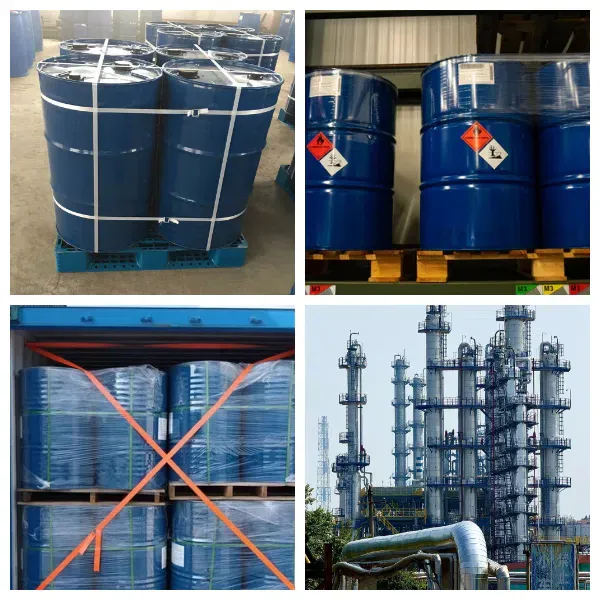
Lab‑sample specification: 100 g, 500 g sealed glass bottles. Industrial bulk order: 250 kg HDPE drums or 1000L IBC intermediate bulk containers. Custom‑tailored packaging solutions can be arranged according to customer requirements.
Transportation Requirements
Glycerol is not classified as dangerous goods under most international transport regulations. Prevent packages from collision and seal damage. Avoid long‑time sun exposure and rain soaking. Do not transport together with strong‑oxidation chemicals.
Lead Time
Inventory goods: 2‑3 working days for delivery. New custom‑production order: 7‑10 working days for production and shipment.
After‑sales Service
Full supporting documents including batch COA certificate, SDS safety datasheet and test reports will be provided with shipments. Extra technical supporting documents can be offered upon request. Our technical team provides consultation on grade selection, formulation reference and storage‑handling guidance, replying within 24 working hours. If non‑conforming products are received, please provide photos, videos and order information within 7 working days after goods arrival. After verification of product‑itself quality defects, re‑delivery, replacement or partial refund solutions will be supported. Damage caused by improper storage or human operation is not covered. Customized supply service for special‑specification glycerol is available.
Typical Customer Cases
Case 1: Pharmaceutical Excipient Manufacturer
One pharmaceutical excipient factory purchases USP‑grade glycerol for oral liquid and topical ointment production. Our batch‑stable high‑purity goods satisfy pharmacopoeia testing standards, and we maintain long‑term bulk‑supply cooperation.
Case 2: Cosmetic Raw‑material Enterprise
A cosmetic formulation enterprise selects food‑cosmetic dual‑grade glycerol for skin‑care product manufacturing. Strict moisture‑proof packaging guarantees product quality in cross‑ocean long‑distance logistics.
Case3: Food Additive Processing Plant
Food‑processing client uses food‑grade glycerol as humectant additive for baked food. Complete food‑safety supporting documents are supplied to meet local import inspection requirements.
FAQ
Q1: What is the shelf‑life of glycerol?
A: For original sealed packages stored under recommended cool‑dry sealed conditions, shelf‑life reaches 24 months. Once opened, seal the container tightly to prevent moisture absorption.
Q2: What grade should I choose for cosmetic production?
A: USP grade or food grade is preferred for cosmetic formulations contacting human skin. Industrial‑grade glycerol is not recommended for cosmetic raw‑material usage.
Q3: Is glycerol miscible with water?
A: Yes, glycerol can be mixed with water and ethanol in any proportion, while it is only partially soluble in ether and ethyl acetate.
Q4: Why does glycerol become thicker or produce turbidity occasionally?
A: Low‑temperature environment may increase viscosity; excessive moisture absorption from open storage may trigger turbidity. Please strictly follow sealed storage requirements.
Q5: Can you provide lab‑testing samples?
A: Yes, small‑quantity lab samples can be provided. Sample freight can be negotiated according to formal‑order cooperation intention.
Factory & Equipment Show
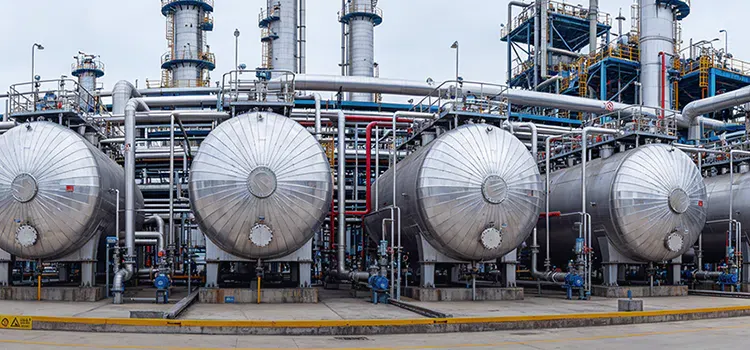
Factory & Equipment Show Factory & Equipment Show
Fast delivery time Inventory 2‑3 working days New production 7‑10 working days