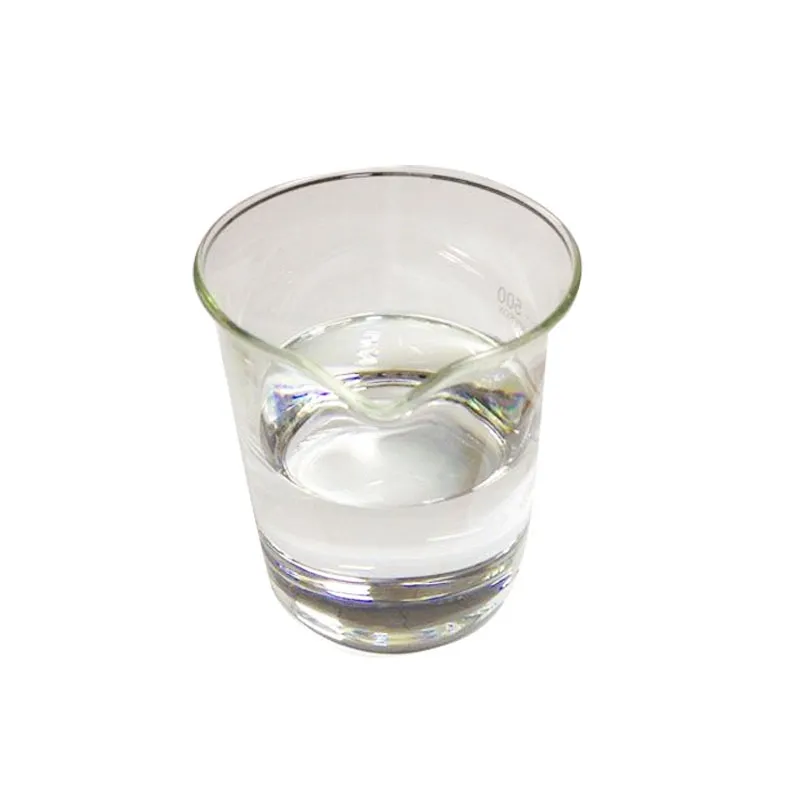
Products Description of Methanol CAS#67-56-1
Methanol, commonly referred to as wood alcohol, is an organic compound and the simplest saturated monohydric alcohol. It is a colourless, clear, flammable, volatile and toxic liquid with a faint alcoholic odour. Human ingestion of only 5–10 mL may result in permanent blindness, while consumption of larger quantities can be fatal. At ambient temperature, methanol shows no corrosive effect on most metals, with the exception of lead and aluminium.
Its key physical properties are listed as follows: relative density 0.792 (20/4℃), melting point -97.8℃, boiling point 64.5℃, flash point 12.22℃, autoignition temperature 463.89℃, vapour density 1.11, vapour pressure 13.33 kPa (100 mmHg at 21.2℃). The explosive limit of its vapour-air mixture ranges from 6% to 36.5% by volume. It is fully miscible with water, ethanol, ether, benzene, ketones, halogenated hydrocarbons and numerous other organic solvents.
As a basic bulk chemical, methanol has broad industrial applicability. It is widely utilised as an efficient solvent, antifreeze agent, clean fuel and neutralizing agent in various manufacturing sectors. Strict safety protocols must be followed during storage, transportation and handling due to its flammability and toxicity. Our product maintains consistent batch purity to satisfy customers’ bulk production and formulation needs.
Parameters
| Melting point | -98 °C(lit.) |
| Boiling point | 65.4 °C(lit.) |
| density | 0.791 g/mL at 25 °C |
| vapor density | 1.11 (vs air) |
| vapor pressure | 410 mm Hg ( 50 °C) |
| refractive index | n |
| Fp | 52 °F |
| storage temp. | 2-8°C |
| solubility | benzene: miscible(lit.) |
| pka | 15.2(at 25℃) |
| form | Liquid Free From Particulates |
| color | <10(APHA) |
| Specific Gravity | 0.793 (20/20℃) |
| Relative polarity | 0.762 |
| Odor | Faint alcohol odor detectable at 4 to 6000 ppm (mean = 160 ppm) |
| PH | 6.8 (20°C in H2O) |
| Flame Color | Pale blue |
| Odor Threshold | 33ppm |
| explosive limit | 5.5-44%(V) |
| Water Solubility | miscible |
| λmax | λ: 210 nm Amax: 0.50 λ: 220 nm Amax: 0.30 λ: 230 nm Amax: 0.15 λ: 235 nm Amax: 0.10 λ: 240 nm Amax: 0.05 λ: 260 nm Amax: 0.01 λ: 400 nm Amax: 0.01 |
| Merck | 14,5957 |
| BRN | 1098229 |
| Henry's Law Constant | 4.99 at 25 °C (headspace-GC, Gupta et al., 2000) |
| Exposure limits | TLV-TWA (200 ppm) (ACGIH), 260mg/m3, 1040mg/m3 (800 ppm) 15minutes (NIOSH); STEL 310mg/m3 (250 ppm); IDLH 25,000 ppm (NIOSH). |
| Dielectric constant | 33.6(20℃) |
| LogP | -0.770 |
| Surface tension | 22.22mN/m at 298.15K |
| Surface tension | 22.7mN/m at 20°C |
| CAS DataBase Reference | 67-56-1(CAS DataBase Reference) |
| NIST Chemistry Reference | Methyl alcohol(67-56-1) |
| EPA Substance Registry System | Methanol (67-56-1) |
| Absorption | in accordance |
| Safety Information |
| Hazard Codes | Xn,T,F |
| Risk Statements | 10-20/21/22-68/20/21/22-39/23/24/25-23/24/25-11-40-36-36/38-23/25 |
| Safety Statements | 36/37-7-45-16-24/25-23-24-26 |
| RIDADR | UN 1170 3/PG 2 |
| OEB | A |
| OEL | TWA: 200 ppm (260 mg/m3), STEL: 250 ppm (325 mg/m3) [skin] |
| WGK Germany | 1 |
| RTECS | PC1400000 |
| F | 3-10 |
| Autoignition Temperature | 385 °C |
| TSCA | Yes |
| HS Code | 2905 11 00 |
| HazardClass | 3 |
| PackingGroup | II |
| Hazardous Substances Data | 67-56-1(Hazardous Substances Data) |
| Toxicity | LD50 oral (rat) 5628 mg/kg LD50 skin (rabbit) 15,840 mg/kg LC50 inhal (rat) >145,000 ppm (1 h) PEL (OSHA) 200 ppm (260 mg/m3) TLV-TWA (ACGIH) 200 ppm (260 mg/m3)—skin STEL (ACGIH) 250 ppm (328 mg/m3) |
| IDLA | 6,000 ppm |
Product Application of Methanol CAS#67-56-1
H2: Product Basic Information
H3: Basic Specifications
Methanol (CAS#67-56-1), also known as methyl alcohol or wood alcohol, is a colorless, transparent, volatile liquid with a slight alcoholic odor. It is miscible with water, ethanol, ether and many other organic solvents. As the simplest saturated monohydric alcohol, it has active chemical properties and can participate in oxidation, esterification, dehydration and halogenation reactions.
H3: Product Grade Classification
We supply Industrial Grade Methanol, which is the mainstream specification for most chemical synthesis, solvent and fuel blending projects. Each batch is strictly tested before release to ensure purity and impurity indicators comply with international industrial standards.
H2: Main Product Applications
H3: Basic Organic Synthesis Industry
Methanol serves as a fundamental organic chemical raw material. It is widely adopted to synthesize formaldehyde, acetic acid, methyl chloride, methylamine, dimethyl sulfate, formic acid, and various inorganic & organic acid esters. Downstream products from this segment are largely applied in fine chemicals and plastic manufacturing.
Methanol can easily conduct esterification reactions with sulfuric acid and carbonic acid. Under specific high-temperature and catalyst conditions, it undergoes dehydration reaction to generate dimethyl ether.
H3: Pesticide & Pharmaceutical Intermediate
It acts as core raw material for the manufacturing of multiple pesticide and pharmaceutical intermediates. It can be used as reaction solvent and methylation reagent in synthetic routes of agrochemicals and drug precursors.
H3: Solvent Field
Methanol works as a universal polar solvent. Many metal halides and organic acid salts have good solubility in methanol, while sulfates show poor solubility and carbonates are almost insoluble. It is commonly used for extraction, dilution and reaction medium in fine chemical processing.
H3: Clean Energy & Fuel Sector
After deep processing, methanol becomes a new type of clean fuel. It can be blended into gasoline as fuel additive for internal combustion engines. Dimethyl ether converted from methanol can also be used as vehicle fuel and civil fuel.
H2: Packaging & Transportation
H3: Packaging Options
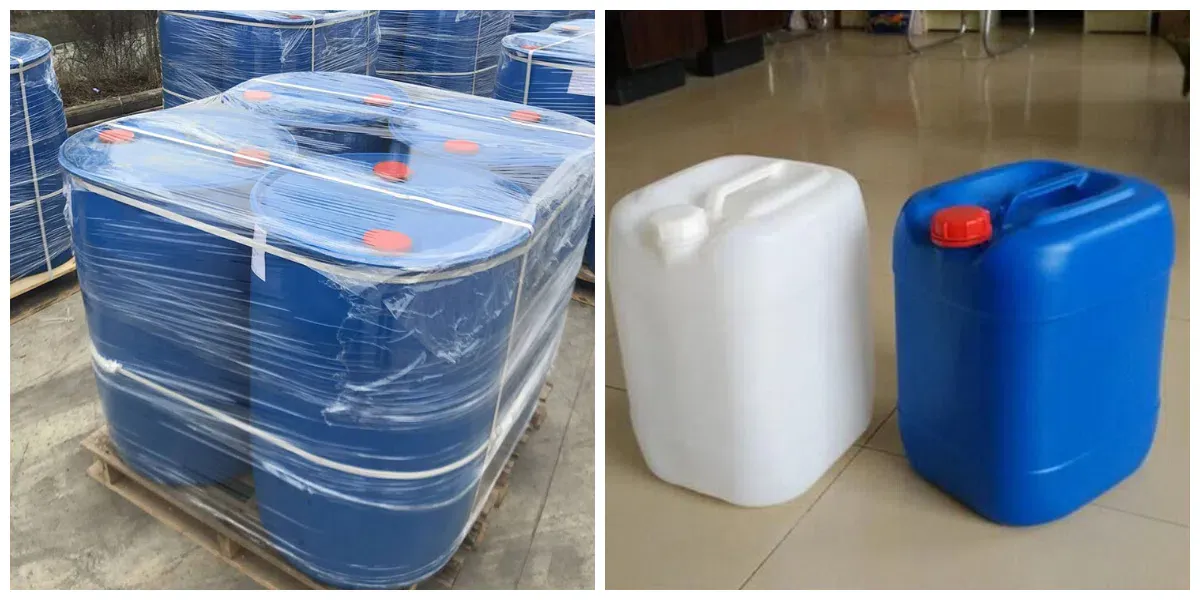
Standard package: 160kg steel drum. IBC tote tank (1000kg) is available upon customer request. All containers are pressure-resistant and well sealed to prevent volatile leakage.
H3: Transportation Classification
UN No: UN1230, Class 3 Flammable Liquid, with subsidiary hazard Class 6.1 Toxic substance, Packing Group II.
It belongs to dangerous goods. During shipment, isolate from oxidants, strong acids and food chemicals. Avoid open flame, static electricity and direct sunlight.
H3: Storage Notice
Store in cool, dry, well-ventilated dedicated hazardous chemical warehouse. Keep container tightly closed. Storage temperature should be controlled below 30℃. Shelf life is 12 months under proper storage conditions.
H2: Delivery Schedule
H3: In-Stock Goods
Warehouse stock can be arranged for shipment within 2–3 working days after receiving deposit or L/C.
H3: Newly Produced Batch
For customized newly produced orders, the whole production and loading lead time is 7–10 working days. We will send regular progress updates during production.
H3: Applicable Trade Terms
We support EXW, FOB, CIF and other international trade terms. Our team will complete container loading, inspection and document preparation synchronously.
H2: After-sales Service
H3: Technical Support
Our chemical technical team provides free technical consultation. We can offer suggestions on usage, reaction compatibility, safe operation and storage precautions for your production process.
H3: Quality Complaint Handling
If any quality problem is confirmed after goods arrival, please provide photos, COA and third-party test reports. Our team will respond within 24 hours, and negotiate solutions such as reshipment, price discount or compensation according to contract clauses.
H3: Document Supply
We can provide full set of customs clearance documents, including Commercial Invoice, Packing List, Bill of Lading, COA, MSDS, Certificate of Origin and other required certification files.
H2: Customer Cases
H3: Fine Chemical Synthesis Manufacturer
A fine chemical factory in Southeast Asia purchases our industrial methanol steadily to produce formaldehyde and downstream plastic raw materials. Stable quality and consistent supply help them keep continuous production line operation.
H3: Agrochemical Intermediate Producer
Our methanol is supplied to an agricultural chemical enterprise, used as reaction solvent and raw material for pesticide intermediate synthesis. We provide complete MSDS and batch COA for their local safety filing.
H3: Fuel Blending Distributor
Energy traders from Central Asia buy our methanol for clean fuel blending. We strictly follow IMDG dangerous goods rules for packing and marking to guarantee smooth sea and land transit.
H2: Quality Control
H3: Batch Inspection
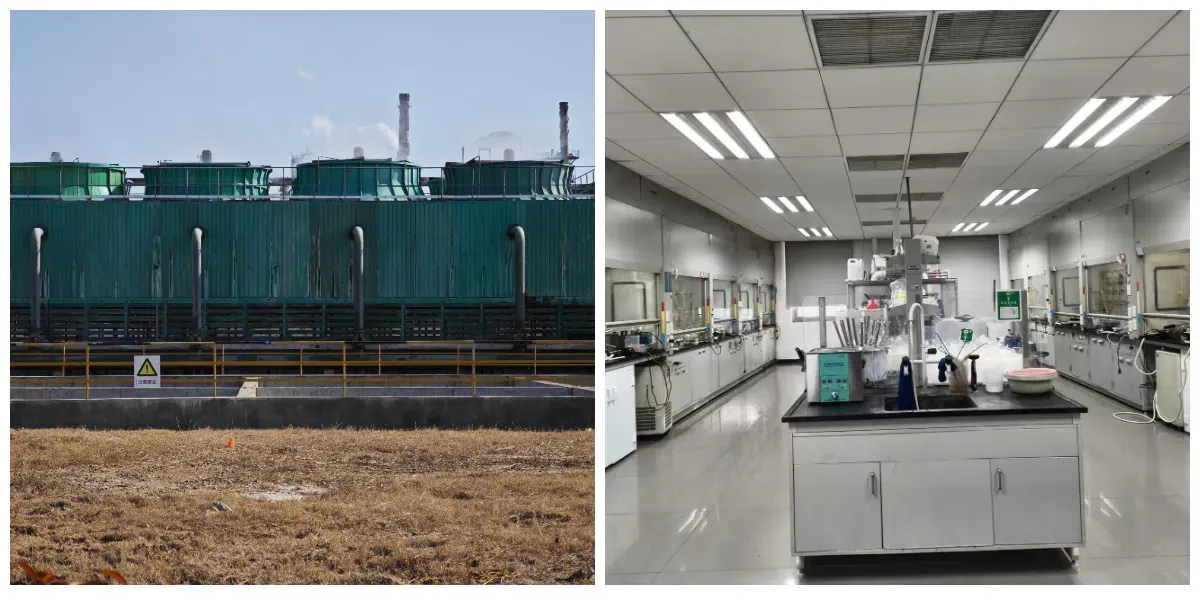
Each production batch will pass in-house lab test before delivery. Test items include purity, water content, acidity, color, distillation range and heavy metal. Only qualified batches can be released for shipment.
H3: Third-party Test Support
We accept third-party inspection (such as SGS) before container loading as requested by clients.
H3: Quality Stability
We adopt stable raw material sources and standardized production process to reduce batch fluctuation, suitable for long-term bulk procurement.
H2: FAQ
H3: Q1: What category should methanol be selected in your product category dropdown?
A: Please choose Organic Raw Material. Methanol is a basic organic compound, not inorganic salt, daily chemical, plant extract or pure pharmaceutical raw material.
H3: Q2: Is methanol dangerous during transportation?
A: Yes. Methanol is classified as UN1230, Class3 flammable liquid with toxicity hazard. All packaging, marking and shipment must comply with IMDG / ADR dangerous goods regulations.
H3: Q3: Can I get COA and MSDS?
A: Yes. COA will be attached for every batch. MSDS can be sent in advance for your risk assessment and customs declaration.
H3: Q4: What is your MOQ?
A: MOQ for steel drum packaging is one pallet. MOQ for IBC tank can be negotiated for large volume orders.
H3: Q5: Can I get lab sample for testing?
A: Yes, small lab samples are available. Sample freight cost can be discussed separately.