Products Description of Methanesulfonic acid CAS#75‑75‑2
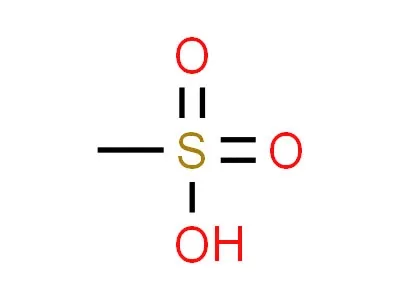
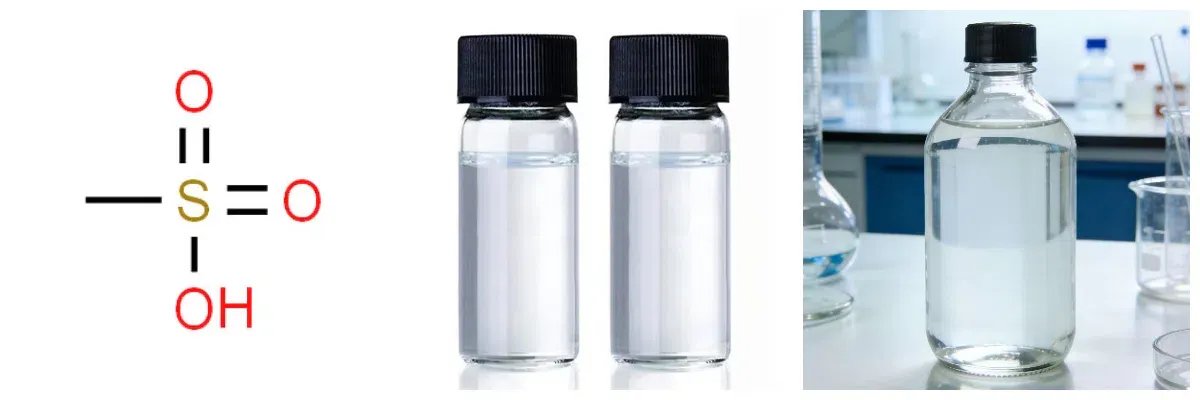
Methanesulfonic acid (MSA, CH₃SO₃H) is a strong organic alkanesulfonic acid. It occurs naturally from dimethyl sulfide oxidation and can biodegrade into CO₂ and sulfate.
Regarded as a green acid, it is less toxic and corrosive than mineral acids. Its aqueous solution is commonly used as electrolyte for electrochemical processes. It is also an E. coli metabolite and the conjugate acid of methanesulfonate.
Parameters
Melting point | 17-19 °C (lit.) |
Boiling point | 167 °C/10 mmHg (lit.) |
density | 1.475-1.485 g/mL at 20 °C 1.481 g/mL at 25 °C (lit.) |
vapor density | 3.3 (vs air) |
vapor pressure | 1 mm Hg ( 20 °C) |
refractive index | n |
Fp | >230 °F |
storage temp. | 2-8°C |
solubility | water: soluble1,000 g/L at 20°C |
form | Solution |
pka | -2.6(at 25℃) |
Specific Gravity | 1.48 (18/4℃) |
color | brown |
biological source | synthetic |
Water Solubility | Miscible with water. Slightly miscible with benzene and toluene. Immiscible with paraffins. |
λmax | λ: 240-320 nm Amax: <0.4 |
Sensitive | Light Sensitive & Hygroscopic |
Merck | 14,5954 |
BRN | 1446024 |
Stability: | Stable. Moisture sensitive. Incompatible with amines, bases,water, common metals. Releases a substantial amount of heat when diluted with water (add acid to water with care if diluting). |
InChIKey | AFVFQIVMOAPDHO-UHFFFAOYSA-N |
CAS DataBase Reference | 75-75-2(CAS DataBase Reference) |
NIST Chemistry Reference | CH3SO3H(75-75-2) |
EPA Substance Registry System | Methanesulfonic acid (75-75-2) |
Safety Information
Hazard Codes | C |
Risk Statements | 34-22-21/22-35 |
Safety Statements | 26-36-45-1/2-36/37/39 |
RIDADR | UN 3265 8/PG 2 |
WGK Germany | 1 |
RTECS | PB1140000 |
TSCA | Yes |
HazardClass | 8 |
PackingGroup | III |
HS Code | 29041000 |
Hazardous Substances Data | 75-75-2(Hazardous Substances Data) |
Toxicity | LD50 orally in Rabbit: 649 mg/kg LD50 dermal Rabbit 200 - 2000 mg/kg |
Product Application of Methanesulfonic acid CAS#75‑75‑2
As a non‑volatile strong organic acid soluble in organic solvents, methanesulfonic acid serves as an efficient catalyst for esterification, alkylation and condensation reactions. It is applied to synthesize starch esters, wax‑oxidate esters, benzoic acid esters, phenolic esters and alkyl esters. It can react with sodium borohydride in THF to prepare borane‑tetrahydrofuran complex. Thanks to high purity and chloride‑free feature, it is adopted in battery manufacturing. In pharma sector, it supports API production such as telmisartan and eprosartan. It is also used for ion‑chromatography analysis, peptide deprotection, and acts as carbon‑energy source for certain gram‑negative methylotrophic bacteria.
Product Basic Information
Basic Identifiers
Product Name: Methanesulfonic acid (MSA)
Synonyms: Methane sulfonic acid 70%, acidemethanesulfonique
CAS: 75‑75‑2
MF: CH₄O₃S
MW: 96.11
EINECS: 200‑898‑6
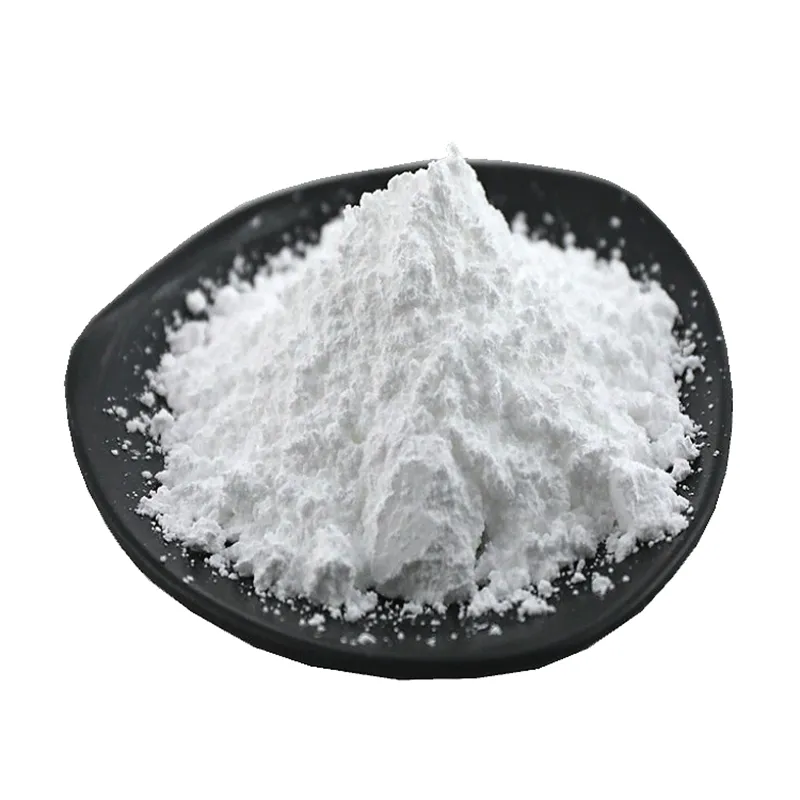
Appearance: Colorless transparent oily liquid
HS Code: 29041000
MOQ (Minimum Order Quantity): 1 FCL (Full Container Load)
Chemical & Physical Properties
Melting point: 17‑19 °C
Boiling point: 167 °C (10 mmHg)
Density: 1.481 g/mL at 25 °C
Refractive index: 1.429
Flash point: 230 °F
Pka: -2.6
Solubility: Miscible with water, soluble in alcohols and ethers
Storage temp: Store at 2‑30°C, tightly sealed
Stability: Stable under normal conditions; incompatible with strong bases and metals like iron, copper and lead
Production Preparation Method
Industrial methanesulfonic acid is commonly manufactured by oxidation or sulfonation route. Raw materials go through oxidation reaction, followed by neutralization, desalting and vacuum distillation purification. Strict impurity control removes chloride and heavy‑metal residues to meet industrial‑grade and pharmaceutical‑grade requirements. The finished product can be supplied as anhydrous form or 70% aqueous solution.
Detailed Application Scenarios
Organic Synthesis Catalyst
Used as non‑volatile acid catalyst for esterification, alkylation and condensation reactions. Widely used for preparing multiple ester derivatives including starch esters, phenolic esters and alkyl esters. It participates in borane‑THF complex preparation and peptide deprotection processes.
Pharmaceutical Manufacturing
High‑purity chloride‑free MSA is applied to produce APIs such as telmisartan and eprosartan. It can also be used in peptide synthesis and deprotection steps.
New Energy & Battery Materials
Owing to high purity and zero‑chloride characteristics, it works as electrolyte raw material for battery systems and electrochemical research.
Laboratory & Analytical Chemistry
Suitable as eluent reagent for ion chromatography. It can be carbon‑energy nutrition source for culturing gram‑negative methylotrophic bacteria.
Upstream & Downstream Product Information
Upstream Raw Materials
Methyl thiocyanate, nitric acid, sulfur trioxide, barium hydroxide, process water.
Downstream Derivatives
Multiple ester compounds, borane‑tetrahydrofuran complex, pharmaceutical API intermediates, methanesulfonate salts, battery electrolyte formulations.
Safety & Handling Information
Methanesulfonic acid is corrosive acidic liquid (UN 3265, Hazard Class 8, Packing Group II). It may severely irritate or burn skin, eyes and respiratory tract.
Skin contact: Remove contaminated clothes, flush skin with large‑volume running water.
Eye contact: Rinse eyes continuously for minimum 15 minutes and seek medical aid.
Inhalation: Move victim to fresh‑air zone, ensure unobstructed breathing.
Operation tips: Work under full ventilation. Wear acid‑resistant gloves, goggles and protective clothing. Avoid contact with iron, copper and strong alkali.
Storage: Keep drum tightly closed, store in cool corrosive‑proof warehouse, separate from bases and active metals.
Packaging & Transportation
Available Packaging Options
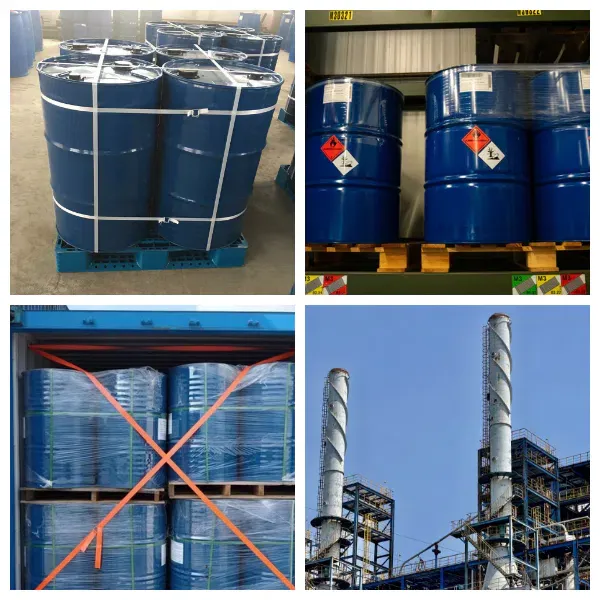
Industrial bulk: 250 L UN‑certified HDPE composite drum
Intermediate bulk: 1000 L IBC tank for full‑container shipment
Lab trial: 1 L / 5 L sealed plastic bottle. Custom packaging available.
Delivery Cycle
Spot inventory order: 2‑3 working days
New customized production batch: 7‑10 working days
Full‑container sea shipment: Subject to container booking schedule.
Transport Requirement
Dangerous goods (UN3265 Class 8 PG II). Corrosion‑resistant transport. Separate shipment away from alkali, metal powder and food‑related goods. MSDS and batch COA documents are provided for each shipment.
After‑sales Service Support
Document service: Free supply of batch‑wise COA, MSDS and technical datasheet.
Technical support: Provide process‑matching guidance, dosage suggestion within 24 working hours.
Quality complaint handling: Re‑delivery or exchange for confirmed quality defects. Clients need to submit photos, videos and order information within 7 days upon goods receipt. Damages from improper storage or misuse are not covered, while technical consultation remains available.
Sample service: Lab test samples can be offered for pre‑bulk‑order evaluation.
Customer Application Cases
Case 1: Fine‑chemical synthesis factory
A chemical plant uses our high‑purity methanesulfonic acid as catalyst for ester‑series product synthesis. Low‑impurity index reduces side‑reactions and improves finished‑product yield.
Case 2: Pharmaceutical intermediate enterprise
Our chloride‑free MSA is adopted for telmisartan intermediate production, fully meeting pharma‑grade impurity specifications.
Case 3: Electrochemical research institute
Customers purchase our anhydrous methanesulfonic acid for battery‑electrolyte formulation research.
FAQ Frequently Asked Questions
Q1: What are common commercial grades of methanesulfonic acid?
A: Mainly 70% aqueous solution and anhydrous ≥99.0% grade. Anhydrous grade is preferred for pharmaceutical and high‑end synthesis.
Q2: Why cannot store MSA in iron or copper containers?
A: Methanesulfonic acid is strongly corrosive toward iron and copper, which will cause container corrosion and metal‑ion contamination to product. HDPE or enamel containers are recommended.
Q3: What is shelf‑life?
A: 12 months under original sealed, cool‑dry storage. Keep tightly sealed once opened.
Q4: Is methanesulfonic acid dangerous for shipping?
A: Yes, it belongs to Class 8 corrosive dangerous goods, UN3265, must follow corrosive‑cargo logistic rules.
Factory & Equipment Show
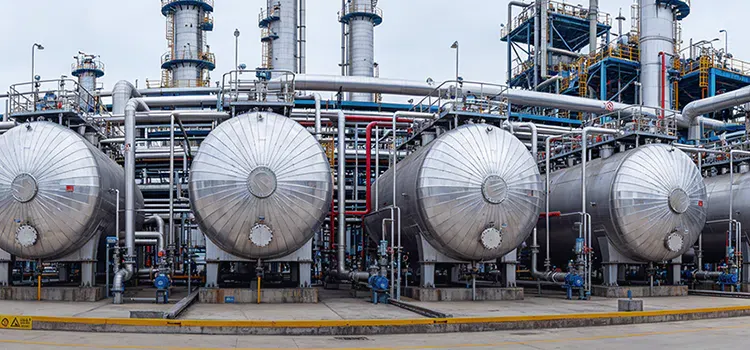
Our workshop is equipped with oxidation reaction units, vacuum distillation purification system and corrosion‑proof sealed filling facilities. Each batch undergoes strict detection for purity, chloride content and heavy‑metals before delivery to guarantee stable batch‑to‑batch quality.
Fast delivery time
Inventory 2‑3 working days New production 7‑10 working days