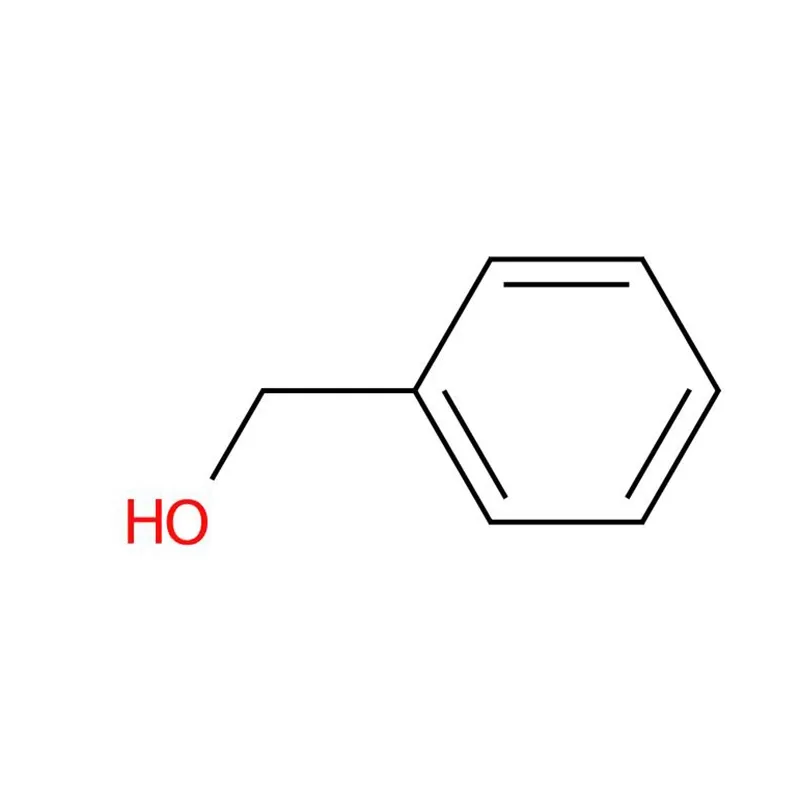
Benzyl alcohol (chemical formula:C6H5CH2OH) is a colorless viscous aromatic liquid with a density of 1.045 g/mL at 25°C. As the simplest phenyl aliphatic alcohol, it can be described as hydroxymethyl-substituted benzene or phenyl-substituted methanol.
Prolonged storage leads to slow oxidation, creating a faint bitter almond odor. This low-toxicity, low-vapor-pressure polar solvent is widely used in chemical industries. Flammable and slightly soluble in water (1g/25mL water), it is fully miscible with ethanol, ether, benzene, chloroform and other organic solvents.Found naturally in free and ester forms in jasmine, ylang-ylang, frangipani, hyacinth, moonflower, Peru balsam and Tolu balsam essential oils, commercial benzyl alcohol has a light almond aroma from gradual air oxidation into benzaldehyde and anisole.
It can be oxidized to benzoic acid by strong oxidants such as concentrated nitric acid.It has mild anesthetic properties yet irritates eyes, skin and respiratory tracts. Ingestion, inhalation or skin exposure causes headache, nausea, vomiting and gastrointestinal discomfort, with severe cases leading to convulsions or coma. Its oral LD₅₀ for rats is 1230 mg/kg.Metabolically, it converts to benzoic acid in the body, then binds with hepatic glycine to form hippuric acid for excretion. Importantly, intramuscular injections using benzyl alcohol as solvent may cause gluteal muscle contracture.
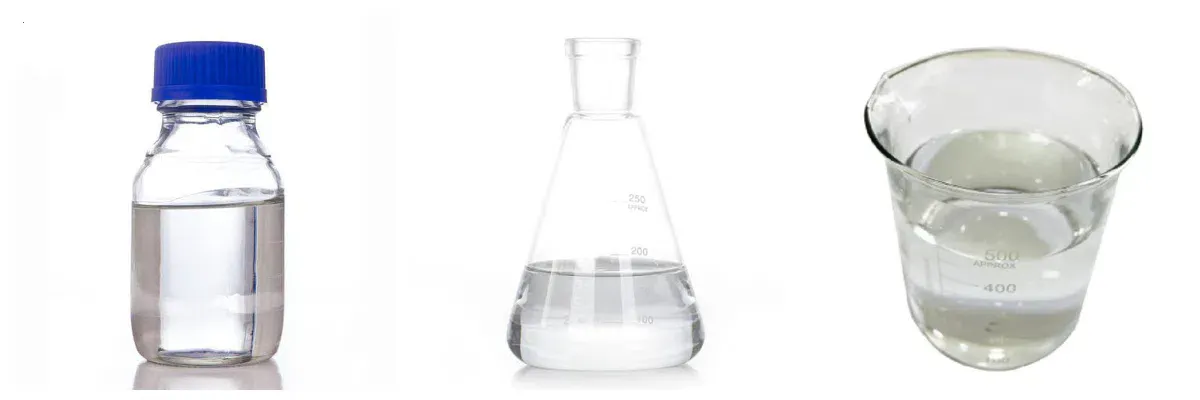
Benzyl alcohol Chemical Properties
| Melting point | -15 °C |
| Boiling point | 205 °C |
| Density | 1.045 g/mL at 25 °C(lit.) |
| Vapor density | 3.7 (vs air) |
| Vapor pressure | 13.3 mm Hg ( 100 °C) |
| Refractive index | n20/D 1.539(lit.) |
| FEMA | 2137 | BENZYL ALCOHOL |
| Fp | 201 °F |
| Storage temp | Store at +2°C to +25°C. |
| Solubility | H2O: 33 mg/mL, clear, colorless |
| Pka | 14.36±0.10(Predicted) |
| Form | Liquid |
| Color | APHA: ≤20 |
| Relative polarity | 0.608 |
| Odor | Mild, pleasant. |
| Explosive limit | 1.3-13%(V) |
| Odor Type | floral |
| Water Solubility | 4.29 g/100 mL (20 ºC) |
| Merck | 14,1124 |
| JECFA Number | 25 |
| BRN | 878307 |
| Henry's Law Constant | <2.70 x 10⁻⁷ at 25 °C (thermodynamic method-GC/UV, Altschuh et al., 1999) |
| Exposure limits | No exposure limit is set. Because of its low vapor pressure and low toxicity, the health hazard to humans from occupational exposure should be very low. |
| Dielectric constant | 13.1(20℃) |
| InChIKey | WVDDGKGOMKODPV-UHFFFAOYSA-N |
| LogP | 1.05 at 20℃ |
| CAS DataBase Reference | 100-51-6(CAS DataBase Reference) |
| NIST Chemistry Reference | Benzyl alcohol(100-51-6) |
| EPA Substance Registry System | Benzyl alcohol (100-51-6) |
Safety Information
| Hazard Codes | Xn,T |
| Risk Statements | 20/22-63-43-36/37/38-23/24/25-45-40 |
| Safety Statements | 26-36/37-24/25-23-53 |
| RIDADR | UN 1593 6.1/PG 3 |
| WGK Germany | 1 |
| RTECS | DN3150000 |
| F | 8-10-23-35 |
| Autoignition Temperature | 817 °F |
| TSCA | Yes |
| HS Code | 29062100 |
| Hazardous Substances Data | 100-51-6(Hazardous Substances Data) |
| Toxicity | LD50 orally in rats: 3.1 g/kg (Smyth) |
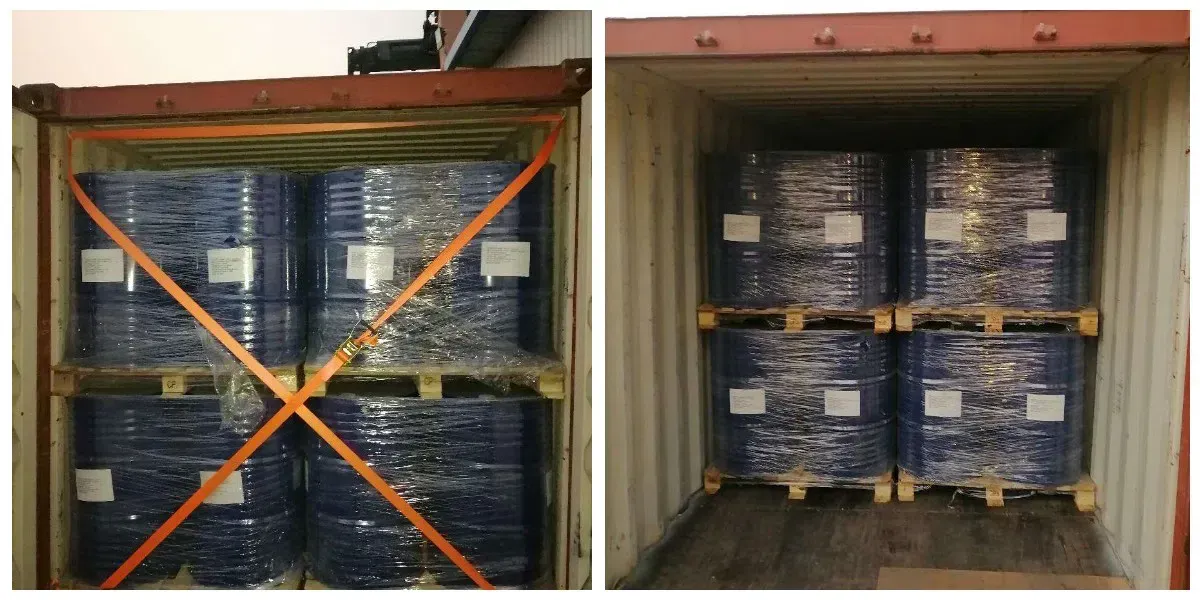
Application Scope of Benzyl Alcohol (CAS: 100-51-6)
Benzyl alcohol boasts diversified utilization across industrial production and consumer product fields. In topical ointments, it is widely adopted as an antimicrobial preservative. It also works as a drying agent applied to textiles, nylon filaments and plastic thin films, as well as a stabilizing agent for some materials. Within chemical processing plants, this substance can act as a developer for photographic processing, alongside being a multi-purpose solvent capable of dissolving acetates, printing inks, surface coatings, architectural paints, epoxy paint systems, dyestuffs, casein, shellac and gelatin. Beyond that, it acts as a crucial synthetic building block to produce benzyl ether and benzyl ester derivatives.
With an active hydroxyl group, benzyl alcohol acts as a fixative and diluent in aroma chemicals. It forms fatty acid benzyl esters to make food aromatics, and is added to soaps, perfumes and cosmetics. Its refractive index matches quartz and wool fiber, so it can identify these two materials. It reacts with benzene, acrylonitrile, hydrogen halides or phosphorus halides to produce diphenylmethane, N-benzylacrylamide and benzyl halides respectively. Benzyl alcohol and its derivatives introduce benzyl protecting groups in organic synthesis, which can be removed by hydrogenation. Oxidation of benzyl alcohol gives benzaldehyde or benzoic acid, depending on oxidant concentration and temperature.
From a pharmaceutical perspective, benzyl alcohol was once added to penicillin injection solutions as a local anesthetic adjuvant, commonly nicknamed “pain-free solvent” for easing stinging sensations during injection. Nevertheless, clinical practice later confirmed obvious safety risks: the substance is absorbed slowly inside the body and prone to cumulative deposition, triggering gluteal muscle contracture. In serious situations, this condition may further result in muscle tissue necrosis and hinder skeletal growth. In response to such potential hazards, China’s State Food and Drug Administration issued a regulation in 2005 prohibiting benzyl alcohol from being used as a solvent in penicillin injections.