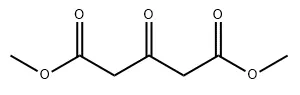
Dimethyl 1,3-acetonedicarboxylate, CAS No. 1830-54-2, also commonly known as dimethyl 3-oxoglutarate, belongs to the family of oxo carboxylic acid derivatives. This versatile oxo carboxylate compound possesses active methylene and carbonyl groups within its molecular structure, which makes it highly valuable for a wide range of organic condensation, cyclization and synthetic intermediate preparation processes. It is widely used in fine chemical synthesis, pharmaceutical intermediate development and related research fields.
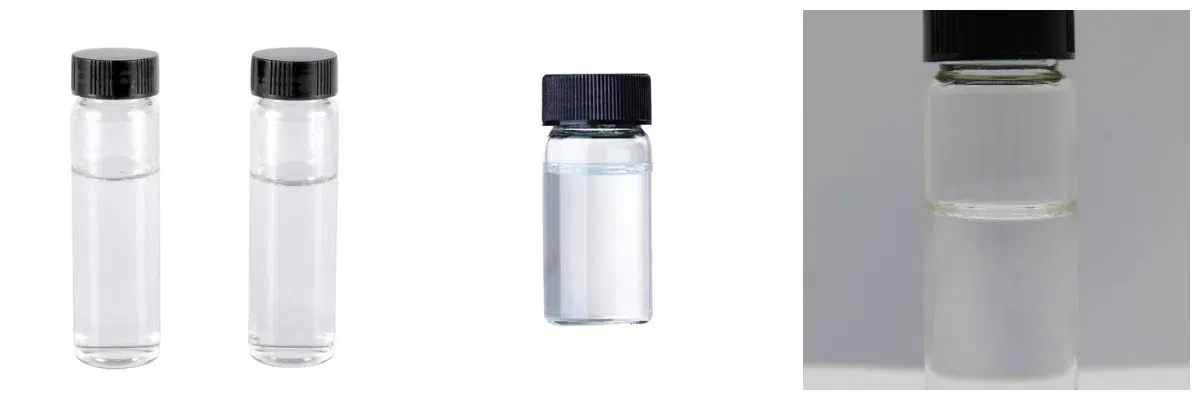
Dimethyl 1,3-acetonedicarboxylate Chemical Properties |
Melting point | 16-17°C |
Boiling point | 237-241 °C/760 mmHg (lit.) |
density | 1.206 g/mL at 20 °C (lit.) |
refractive index | n20/D 1.444(lit.) |
Fp | >230 °F |
storage temp. | 2-8°C |
solubility | Chloroform (Sparingly), Ethyl Acetate (Slightly), Methanol (Slightly) |
pka | 9.06±0.50(Predicted) |
form | Liquid |
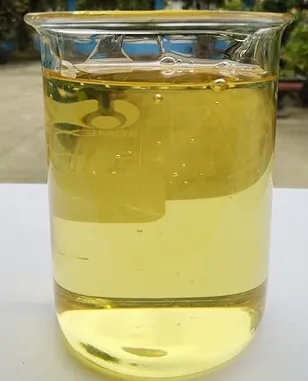
color | Clear colorless to light yellow |
Water Solubility | approx. 120 g/L (20 ºC) |
BRN | 1366042 |
CAS DataBase Reference | 1830-54-2(CAS DataBase Reference) |
NIST Chemistry Reference | Pentanedioic acid, 3-oxo-, dimethyl ester(1830-54-2) |
EPA Substance Registry System | Pentanedioic acid, 3-oxo-, dimethyl ester (1830-54-2) |
Safety Information |
Hazard Codes | Xi |
Risk Statements | 43 |
Safety Statements | 36/37 |
WGK Germany | 1 |
Hazard Note | Irritant |
TSCA | TSCA listed |
HS Code | 29183000 |
Dimethyl 1,3-acetonedicarboxylate | CAS#1830-54-2
Synonym: Dimethyl 3-oxoglutarate
H2: Product Overview
Dimethyl 1,3-acetonedicarboxylate is a versatile β-keto diester building block, widely adopted in fine organic synthesis and pharmaceutical R&D. With two reactive methyl ester terminals and a central ketone group, it supports Knoevenagel condensation, Michael addition, cyclization and reductive amination reactions for constructing diverse heterocyclic skeletons and functional intermediates.
H2: Product Application
H3: Natural Product Synthesis
Dimethyl 1,3-acetonedicarboxylate is used in the preparation of optically active lycorane, a core skeleton of Amaryllidaceae alkaloids for natural product chemistry research. It enables stereoselective ring construction to access chiral lycorane derivatives for bioactivity screening.
H3: Medical Imaging Research
It serves as a key precursor for bispidone derivatives, which are developed as high-affinity ligands for PET imaging. These bispidine-type ligands are widely studied for radiotracer development in molecular imaging and brain receptor research.
H3: API & Heterocyclic Intermediate
It acts as a fundamental starting material for the synthesis of various biologically active heterocyclic compounds, modified amino acids and peptide mimetics. Researchers use it to assemble nitrogen-containing heterocycles and cyclic diketone structures for new drug candidate development.
H3: Organic Chemistry Lab & Contract Research
This β-keto diester is a standard building block for academic laboratories and CRO projects. It participates in multi-component cyclization reactions to construct bicyclic scaffolds, azaxanthone, quinoline and naphthol derivatives for methodology studyPMC.
H3: Agrochemical Intermediate R&D
The symmetrical C5 diester framework is also explored in agrochemical discovery, used to prepare new heterocyclic lead compounds with potential plant-growth regulation or fungicidal activity.
H2: Product Specifications
CAS No.: 1830-54-2
Molecular Formula: C₇H₁₀O₅
Molecular Weight: 174.15
Appearance: Clear colorless to pale yellow liquid
Purity: ≥97% GC (custom purity 98% / 99% available)
Boiling point: 237–241 ℃ @760 mmHg
Density: 1.206 g/mL at 20 ℃
Refractive Index: n₂₀/D 1.444
Flash Point: 110 ℃
H2: Packaging & Transportation
H3: Standard Packaging Options
Small lab packing: 100g / 500g / 1L fluorinated bottle
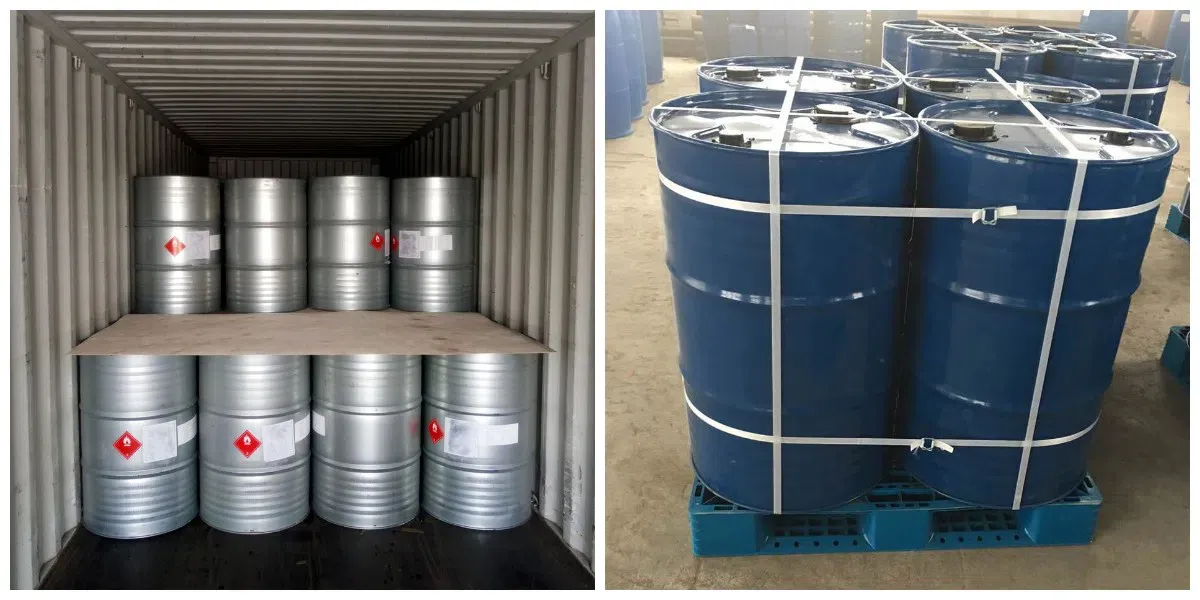
Bulk packing: 25kg HDPE drum / steel drum with inner liner
Custom packaging: 5kg, 10kg, 50kg packing available upon request
All packages are sealed with leak-proof caps and labelled with GHS hazard marks, CAS number and batch information.
H3: Transport Instruction
This product is classified as non-dangerous goods for general sea, air and land shipment under normal conditions. Avoid strong oxidizers, strong alkali and direct sunlight during transit. Keep packages upright and prevent collision and leakage. We can provide shipping documents including MSDS, COA, packing list and commercial invoice for customs clearance.
H3: Storage Requirement
Store in cool, dry and well-ventilated warehouse, recommended storage temperature 2–8 ℃. Keep container tightly closed. Separate from oxidants, bases and moisture. Proper shelf life is 12 months under recommended storage.
H2: Lead Time & Inventory Schedule
H3: Stock Order
Goods in stock: 2–3 working days after receiving payment.
H3: New Production Order
Out-of-stock & custom purity order: 7–10 working days for production and QC test.
H3: Bulk Order
For orders above 500kg, we will provide separate production plan and confirm delivery schedule in advance.
H2: Quality Control & Test Documents
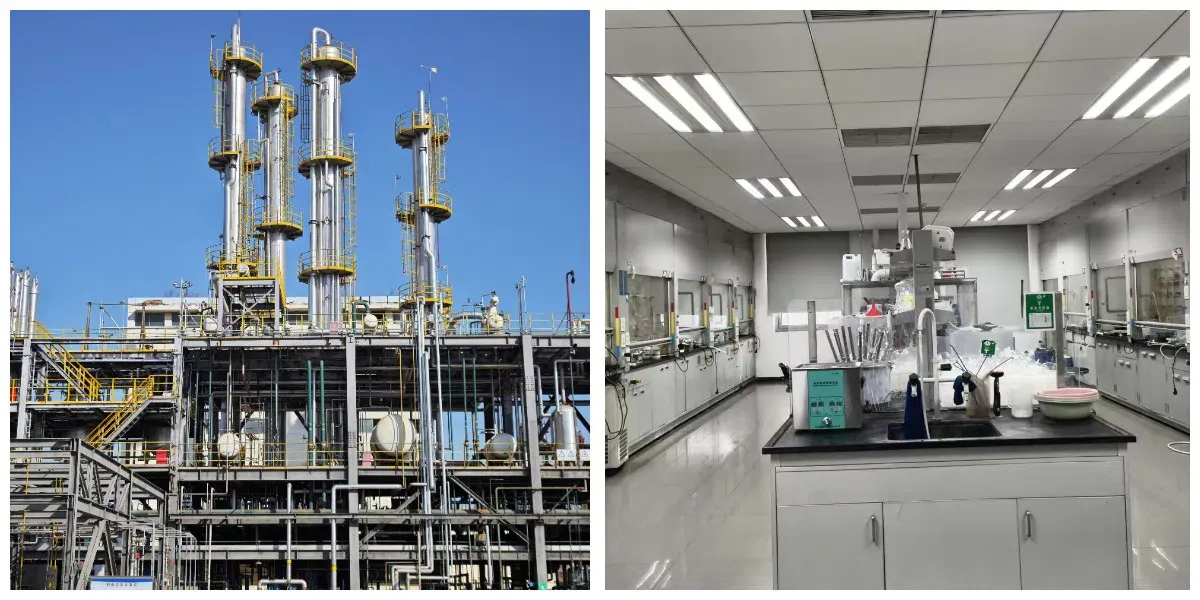
Every batch will go through GC purity test, appearance inspection and refractive index test before delivery.
Free documents supplied: COA, MSDS.
Optional paid test: NMR, HPLC, moisture content, heavy metal test.
Third-party inspection: SGS / CCIC inspection can be arranged before shipment as customer requirement.
H2: After-sales Service
We support sample return and recheck if quality inconsistency is confirmed against signed COA.
Technical support: Our chemist team can answer questions about reaction route, storage handling and compatibility.
Shipment follow-up: We will update logistics status and provide tracking number once goods depart.
Price adjustment: Long-term cooperation customers can apply for stable contract price and priority inventory reservation.
H2: Customer Case Reference
H3: University Research Lab
Regular small batch supply for organic synthesis group, used for chiral natural product and cyclization reaction research. Stable purity and stable batch consistency help their paper publication projects.
H3: CRO & Radiopharmaceutical R&D Institute
Supply for bispidone ligand and PET tracer precursor synthesis. We provide customized packing and strict batch traceability to match GLP research standard.
H3: Fine Chemical Factory
Bulk supply for downstream heterocyclic intermediate production, with stable delivery plan and flexible packing solution.
H2: FAQ
H3: Q1: Can I get free sample?
A: We can provide small sample for quality evaluation, sample freight will be collected by customer.
H3: Q2: Is this product water-soluble?
A: It has moderate water solubility; it dissolves well in common organic solvent like methanol, ethanol, dichloromethane, ethyl acetate.
H3: Q3: What is the MOQ?
A: MOQ is 100g for lab grade; bulk order starts from 25kg.
H3: Q4: Can you support DDP / CIF shipping term?
A: Yes, we can quote under EXW, FOB, CIF, DAP and DDP terms to most countries.
H3: Q5: Can you make custom purity?
A: Yes, 98% and 99% high purity grade can be produced for special R&D demand.
H2: Related Product Navigation