Product Details
Palatinose, also known as isomaltulose, is a sucrose isomer derived from sucrose as the starting material. It is transformed and purified via α-glucosyltransferase, representing a sweetener developed through biotechnological methods—specifically enzyme engineering—to modify sucrose’s inherent properties.
As a natural nutritional sugar, it helps mitigate the adverse effects and health risks associated with excessive sucrose intake. Structurally, it is a disaccharide consisting of glucose and fructose connected by an α-1,6 glycosidic bond. Under the catalytic action of glucosyltransferase, the original α-1,2 linkage between glucose and fructose in sucrose is cleaved and reconnected as an α-1,6 bond. This difference in the glycosidic bond position is the only molecular distinction from sucrose, classifying it as an isomer.
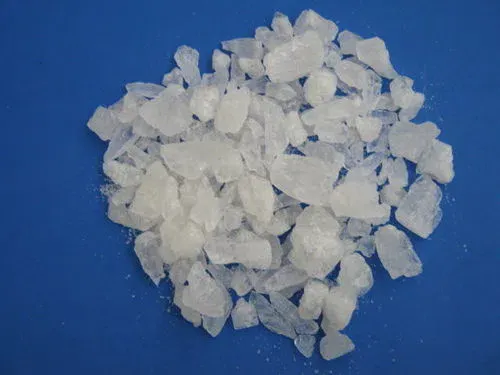
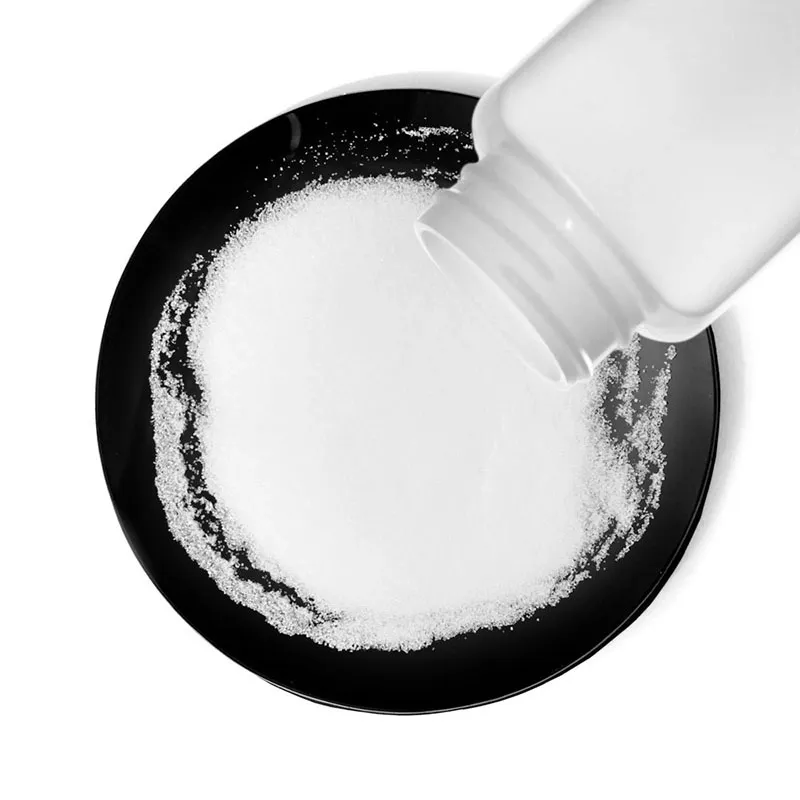
Palatinose exists as white, odorless crystals with a molecular weight of 360.32, containing one molecule of water of crystallization. It has a melting point of 124°C and a specific rotation [α]₂₀ᴰ of 97.2. It exhibits little to no hygroscopicity, lower solubility and viscosity than sucrose, and strong acid resistance. Currently, palatinose is produced by converting sucrose using an immobilized cell (enzyme) biotechnological process.
Product Application of Palatinose
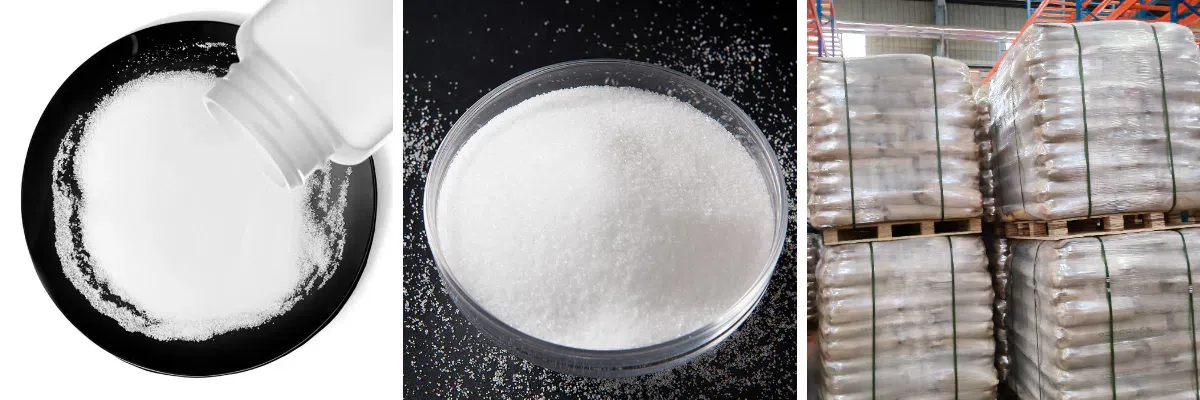
Palatinose is characterized by low sweetness, moisture absorption resistance, and excellent acid stability. It cannot be metabolized by yeast or certain microorganisms. It does not promote dental caries, is suitable for people with diabetes, and has a flavor profile similar to sucrose. Thus, it can partially or fully replace sucrose in foods, beverages, frozen products, and other applications. It is commonly used in cold desserts, pastries, concentrated juices, confectionery, candied fruits, jams, mixed alcoholic drinks, biscuits, bread, and related products.
After ingestion, palatinose is gradually broken down into glucose and fructose by complex enzymes in the small intestine, allowing for slow absorption and metabolism. This helps maintain stable blood glucose levels. Due to its slow absorption rate, insulin levels experience minimal fluctuations, making it appropriate for individuals with diabetes. As a non-cariogenic sweetener, it is also suitable for infants and adolescents in growth stages who require sugar intake.
Palatinose Chemical Properties
| Melting point | 125-128°C |
| Alpha | 100 º (c=2, H2O) |
| Boiling point | 684.1±55.0 °C(Predicted) |
| Density | 1.77±0.1 g/cm3(Predicted) |
| Storage temp | Hygroscopic, -20°C Freezer, Under inert atmosphere |
| Solubility | DMSO (Slightly), Water (Slightly) |
| Form | Solid |
| Pka | 11.39±0.70(Predicted) |
| Color | White to Off-White |
| Safety Statements | 24/25 |
| HS Code | 29329990 |