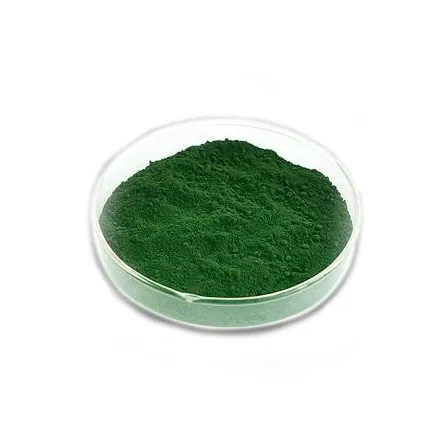
Chlorophyllin, CAS#11006-34-1, refers to a family of water-soluble salts and semi-synthetic derivatives naturally derived from chlorophyll. Its most prevalent commercial variant, the sodium‑copper complex, is widely recognized and approved for use as a food colorant / food additive, and it is also a
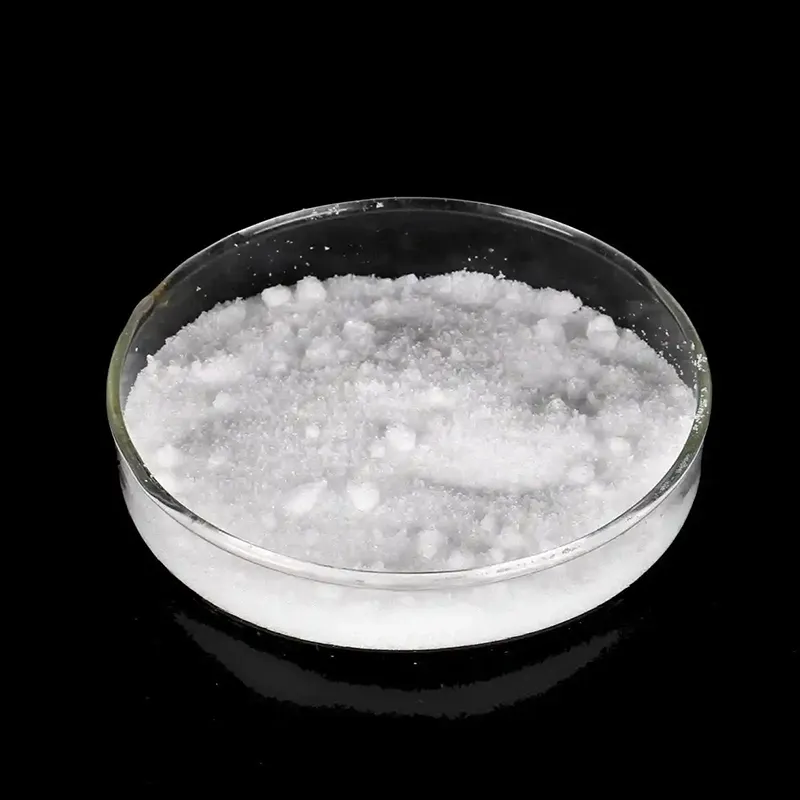
Magnesium acetate tetrahydrate is a colorless monoclinic crystalline solid. It is hygroscopic by nature and needs proper sealed storage to avoid absorbing moisture from ambient air. It has a density of 1.454 g/cm³ and melts at 80°C. This product features excellent solubility performance: highly solu
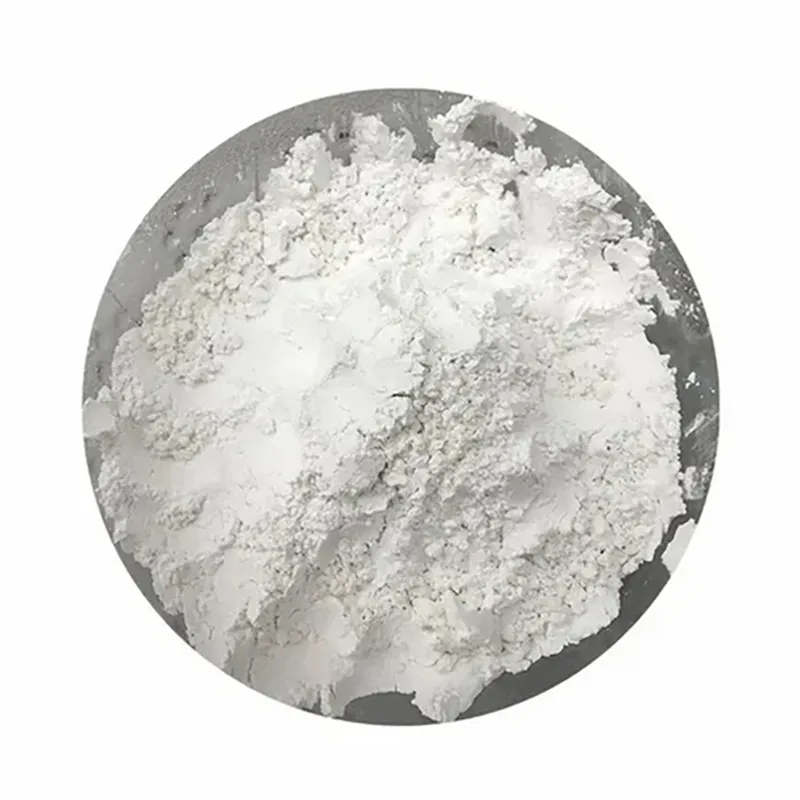
Sodium Dihydrogen Citrate, also widely known as Monosodium Citrate (CAS #: 18996-35-5), is a high-purity monobasic acid salt derived from citric acid, with the chemical formula NaH₂C₆H₅O₇ (C₆H₇NaO₇). As one of three core citrate salt series, it features unique acidic buffering performance and powerf

Clotrimazole CAS#23593-75-1 Clotrimazole is a high-efficiency, broad-spectrum imidazole-class antifungal compound widely applied in pharmaceutical raw materials, medical formulations, and biochemical research fields. It exhibits powerful inhibitory and fungicidal activity against an extensive range

S-Adenosyl-L-methionine Disulfate Tosylate CAS#: 97540-22-2 Ademetionine Disulfate Tosylate is the disulfate-tosylate mixed salt consisting of diastereoisomer mixtures of ademetionine ions. As a biologically active form of S-Adenosyl-L-methionine, this stabilized salt form greatly improves the compo

Peppermint Oil (CAS #8006-90-4) | FCC Redistilled Natural Grade Our premium Peppermint Oil is a 100% natural essential oil steam-distilled from the fresh, healthy aerial parts of flowering Mentha piperita L. plants. Carefully harvested and processed during the optimal growing season, the raw botanic

Ethyl maltol (CAS No. 4940-11-8) is a high-efficiency synthetic flavor enhancer widely applied in food, beverage, tobacco and daily chemical industries. The product presents as pure white crystalline solid with a melting point ranging from 90°C to 91°C. It features a rich, sweet and natural caramel-
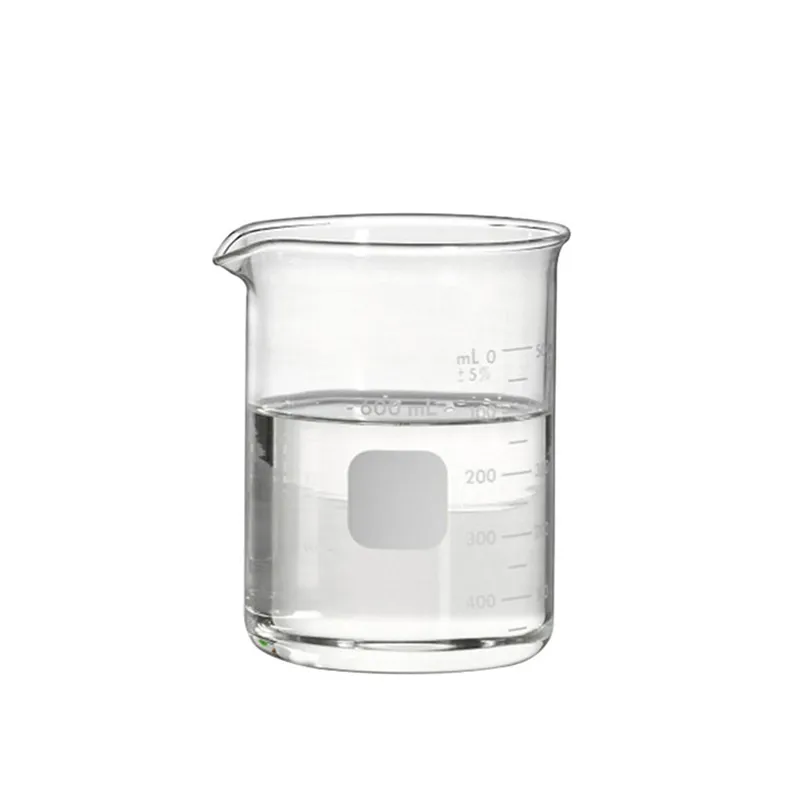
Hydroxycitronellal, IUPAC name: 3,7-Dimethyl-7-hydroxyoctanal, CAS#107-75-5 Hydroxycitronellal is a classic synthetic aroma aldehyde widely applied in global fragrance industry. It delivers an intense, sweet, elegant floral lily / lily-of-the-valley (muguet) odor with subtle fresh green undertones,
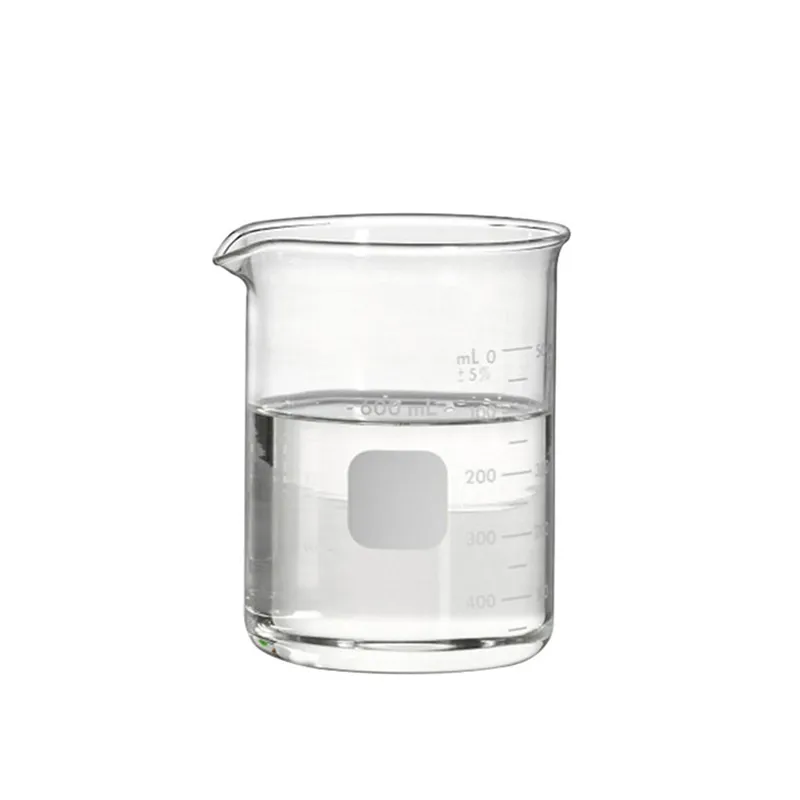
Cyclamen aldehyde is a synthetic aromatic aldehyde widely applied in global fragrance‑flavour industry. It appears as clear, colourless to pale‑yellow liquid at room temperature, featuring a powerful, diffusive floral odour reminiscent of cyclamen and lily‑of‑the‑valley, with subtle fresh melon‑gree
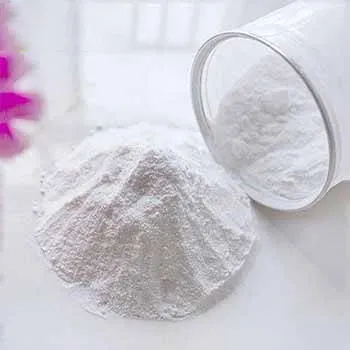
Titanium dioxide (\(TiO_2\)) is an inert white inorganic powder, well‑known for delivering the highest hiding power among all commercially available white pigments. Thanks to its exceptional opacity, bright whiteness and excellent light‑scattering property, it can efficiently cover underlying substr
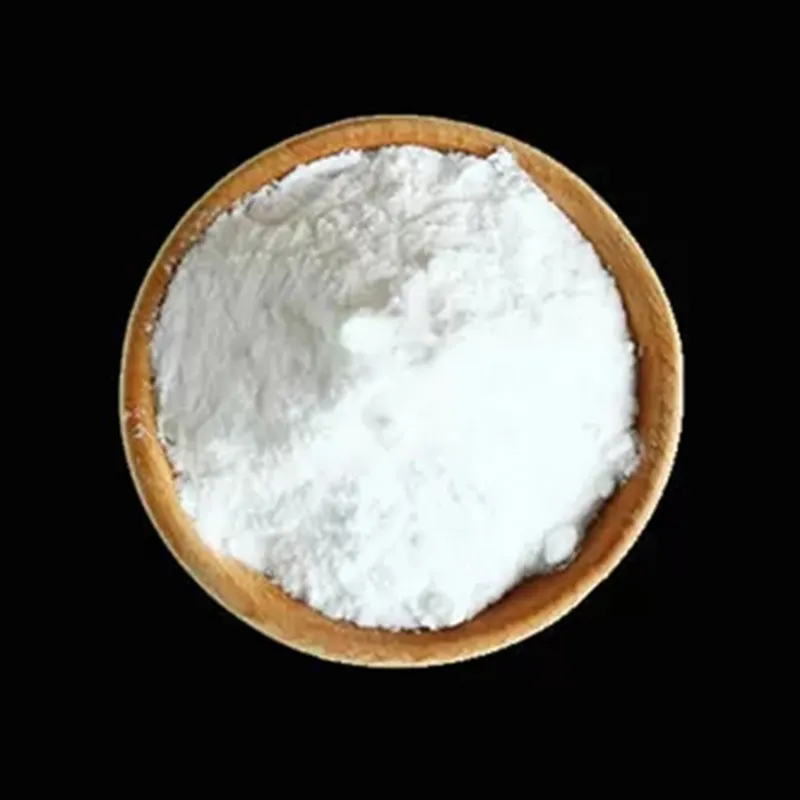
Calcium benzoate is the calcium salt derived from benzoic acid, widely recognised as an effective antimicrobial preservative across global food‑processing industries. Assigned the food additive E number E213 (INS 213), this ingredient has obtained official usage approvals in multiple major regions i
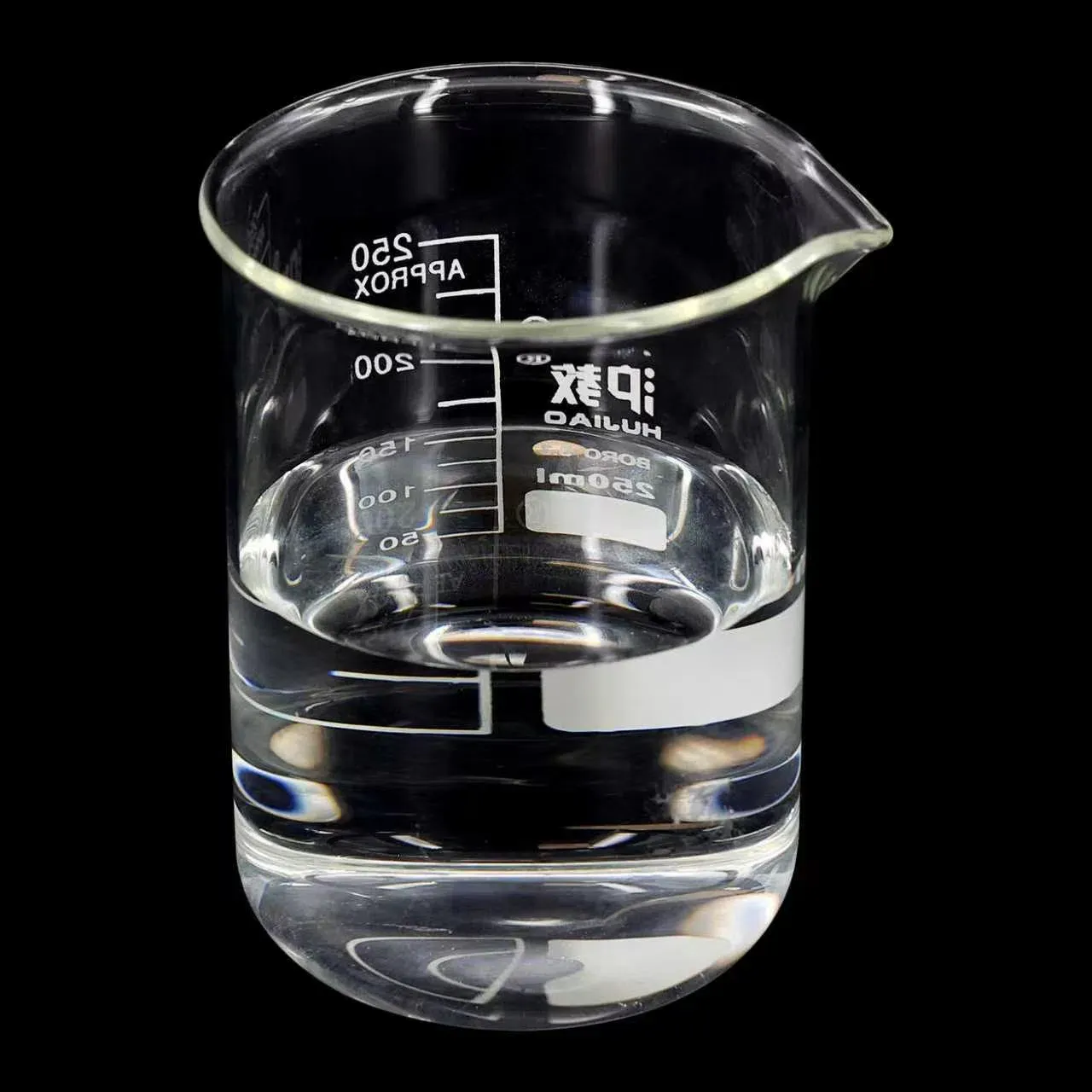
p-Anisaldehyde (4-methoxybenzaldehyde) is a premium aromatic aldehyde, presented as a colorless to pale yellow transparent liquid at ambient temperature, featuring a pleasant sweet hawthorn-like floral scent. Its solubility profile: sparingly soluble in water (0.3% approx), slightly soluble in propy
Chlorophyllin, CAS#11006-34-1, refers to a family of water-soluble salts and semi-synthetic derivatives naturally derived from chlorophyll. Its most prevalent commercial variant, the sodium‑copper complex, is widely recognized and approved for use as a food colorant / food additive, and it is also a
Magnesium acetate tetrahydrate is a colorless monoclinic crystalline solid. It is hygroscopic by nature and needs proper sealed storage to avoid absorbing moisture from ambient air. It has a density of 1.454 g/cm³ and melts at 80°C. This product features excellent solubility performance: highly solu
Sodium Dihydrogen Citrate, also widely known as Monosodium Citrate (CAS #: 18996-35-5), is a high-purity monobasic acid salt derived from citric acid, with the chemical formula NaH₂C₆H₅O₇ (C₆H₇NaO₇). As one of three core citrate salt series, it features unique acidic buffering performance and powerf
Clotrimazole CAS#23593-75-1 Clotrimazole is a high-efficiency, broad-spectrum imidazole-class antifungal compound widely applied in pharmaceutical raw materials, medical formulations, and biochemical research fields. It exhibits powerful inhibitory and fungicidal activity against an extensive range
S-Adenosyl-L-methionine Disulfate Tosylate CAS#: 97540-22-2 Ademetionine Disulfate Tosylate is the disulfate-tosylate mixed salt consisting of diastereoisomer mixtures of ademetionine ions. As a biologically active form of S-Adenosyl-L-methionine, this stabilized salt form greatly improves the compo
Peppermint Oil (CAS #8006-90-4) | FCC Redistilled Natural Grade Our premium Peppermint Oil is a 100% natural essential oil steam-distilled from the fresh, healthy aerial parts of flowering Mentha piperita L. plants. Carefully harvested and processed during the optimal growing season, the raw botanic
Ethyl maltol (CAS No. 4940-11-8) is a high-efficiency synthetic flavor enhancer widely applied in food, beverage, tobacco and daily chemical industries. The product presents as pure white crystalline solid with a melting point ranging from 90°C to 91°C. It features a rich, sweet and natural caramel-
Hydroxycitronellal, IUPAC name: 3,7-Dimethyl-7-hydroxyoctanal, CAS#107-75-5 Hydroxycitronellal is a classic synthetic aroma aldehyde widely applied in global fragrance industry. It delivers an intense, sweet, elegant floral lily / lily-of-the-valley (muguet) odor with subtle fresh green undertones,
Cyclamen aldehyde is a synthetic aromatic aldehyde widely applied in global fragrance‑flavour industry. It appears as clear, colourless to pale‑yellow liquid at room temperature, featuring a powerful, diffusive floral odour reminiscent of cyclamen and lily‑of‑the‑valley, with subtle fresh melon‑gree
Titanium dioxide (\(TiO_2\)) is an inert white inorganic powder, well‑known for delivering the highest hiding power among all commercially available white pigments. Thanks to its exceptional opacity, bright whiteness and excellent light‑scattering property, it can efficiently cover underlying substr
Calcium benzoate is the calcium salt derived from benzoic acid, widely recognised as an effective antimicrobial preservative across global food‑processing industries. Assigned the food additive E number E213 (INS 213), this ingredient has obtained official usage approvals in multiple major regions i
p-Anisaldehyde (4-methoxybenzaldehyde) is a premium aromatic aldehyde, presented as a colorless to pale yellow transparent liquid at ambient temperature, featuring a pleasant sweet hawthorn-like floral scent. Its solubility profile: sparingly soluble in water (0.3% approx), slightly soluble in propy