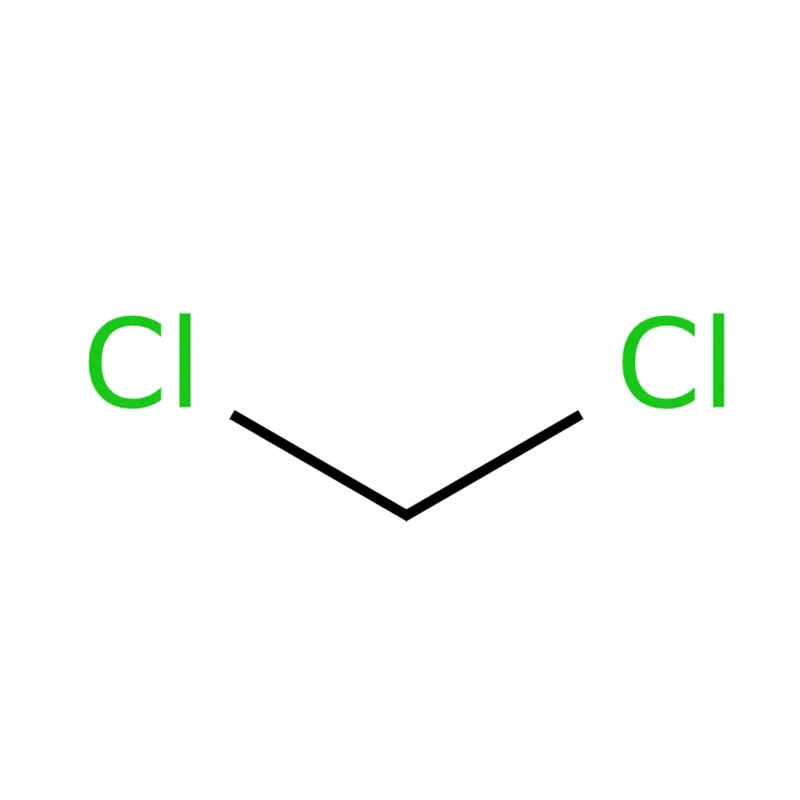
Commonly referred to as methylene chloride, dichloromethane has the chemical formula CH₂Cl₂. It belongs to halogenated methane compounds, which is synthesized by substituting two hydrogen atoms of methane with chlorine element It is a colourless clear liquid with a density greater than water, emitti
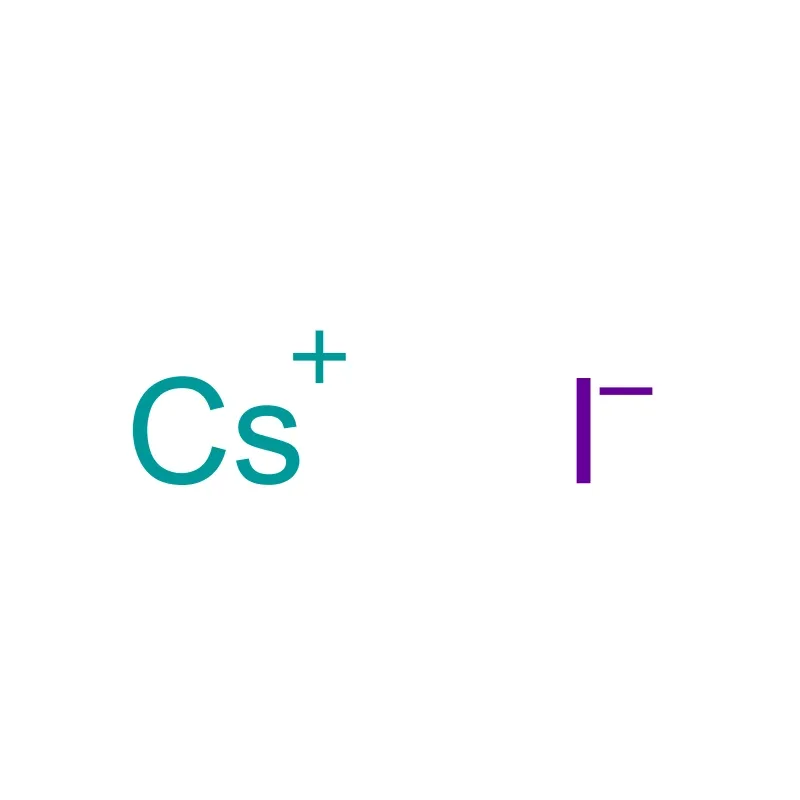
Product Description: Cesium Iodide, CAS No. 7789-17-5 Cesium iodide (CsI), together with its thallium-doped derivative CsI(Tl) and other inorganic halide scintillants, serves as a core scintillation medium for equipment built to track high-energy particles and monitor ionizing radiation. Manufacture
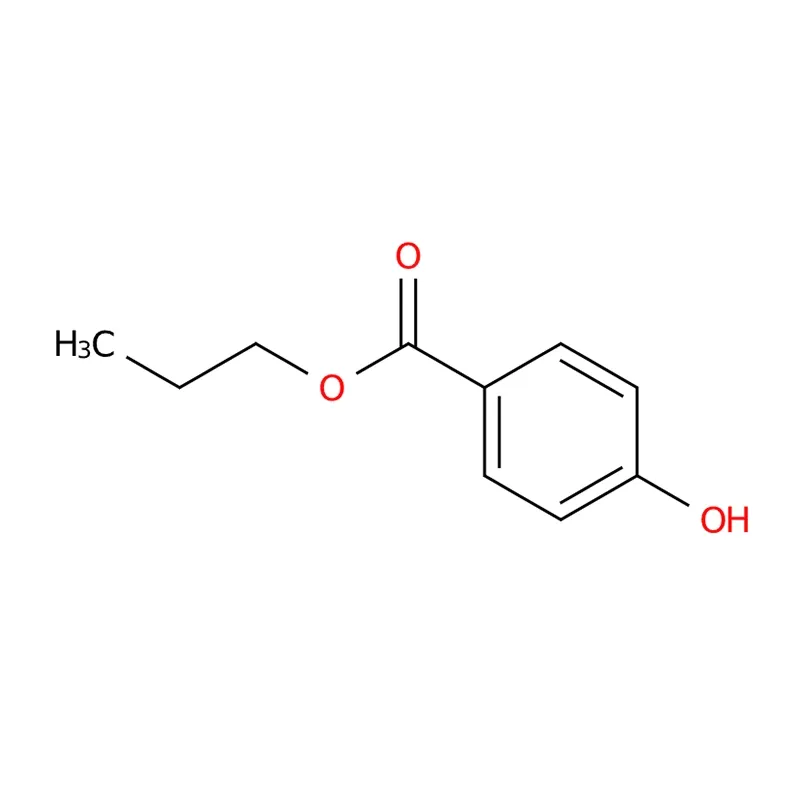
Nonylphenol propionate, also known as parahydroxyphenylpropionate, is an organic ester compound synthesized through the esterification reaction of nonylphenol and propionic acid. It typically presents as a white to off-white crystalline powder or fine flake solid with a faint, mild characteristic od
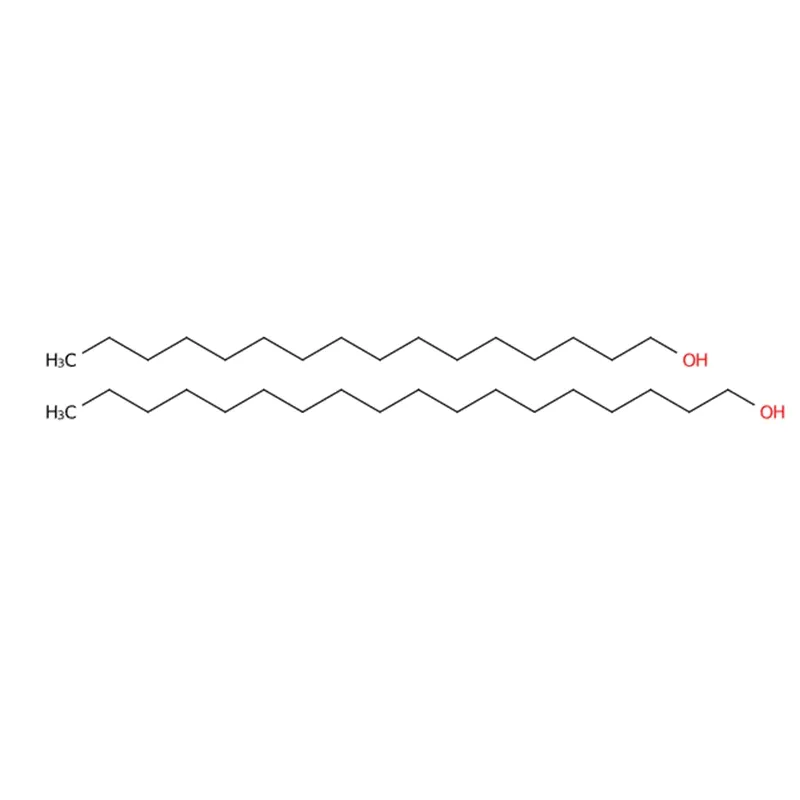
Products Description of CETEARYL ALCOHOL CAS#8005-44-5 Cetearyl alcohol is a compound mixture of cetyl alcohol and stearyl alcohol, mainly produced by hydrogenation of plant-based fatty oils. It appears as neat white flakes, particles or solid blocks with faint fatty odor, indicating high purity and
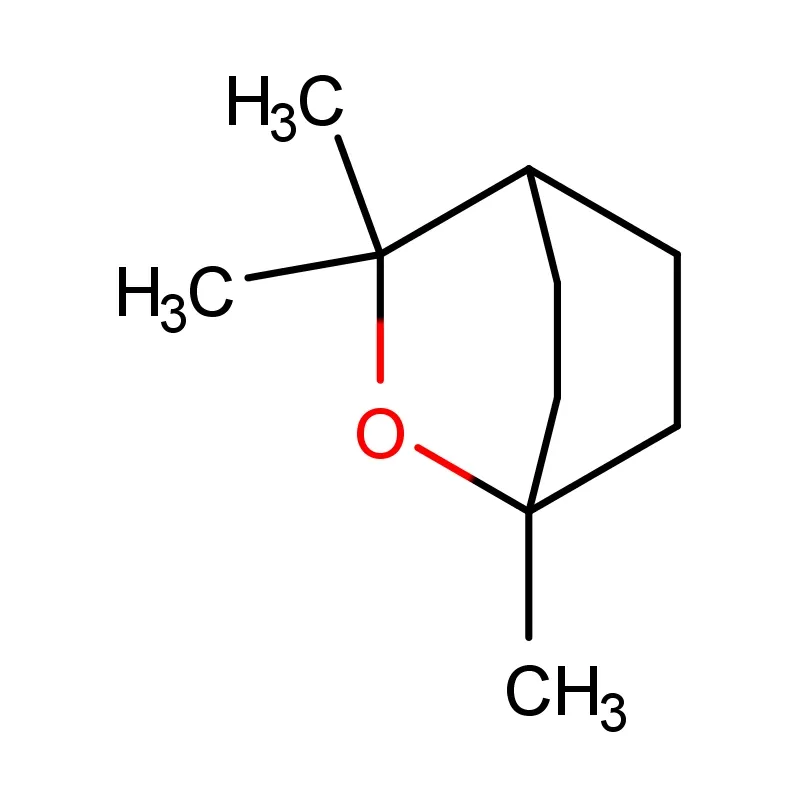
Products Description of Eucalyptus Oil CAS#8000-48-4 Eucalyptus oil ranks as one of the most versatile and commonly applied natural essential oils across global industries. As confectionery products such as hard candies and chewing gum gain larger market demand worldwide, this oil has become a prefe
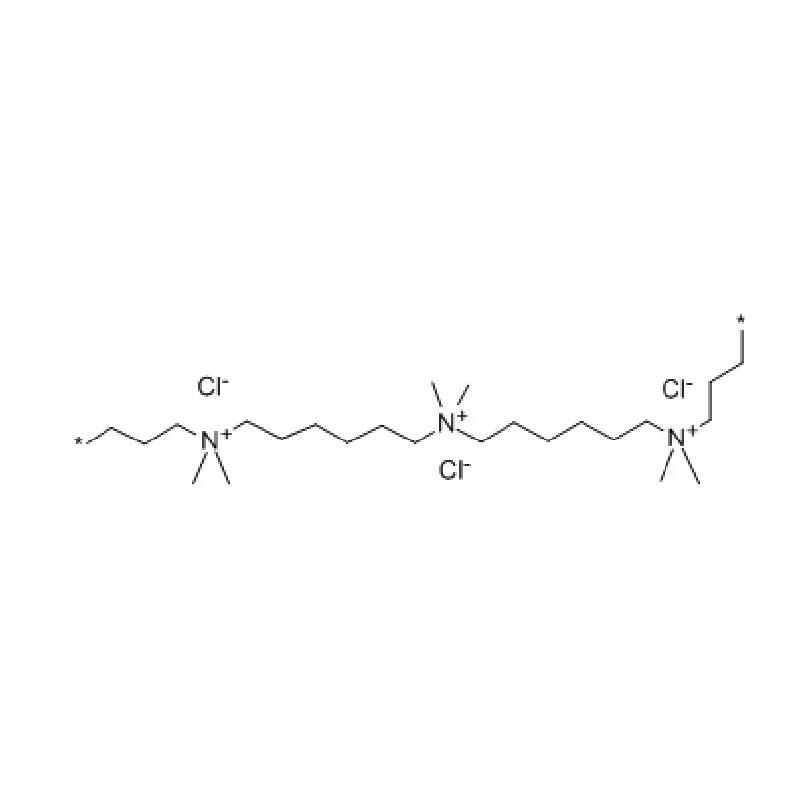
Poly (diallyldimethylammonium chloride), abbreviated as PDADMAC and usually supplied in aqueous solution form, belongs to the category of cationic organic polyelectrolytes. Boasting prominent flocculation and coagulation capabilities, this product has become a mainstream chemical additive for plenty
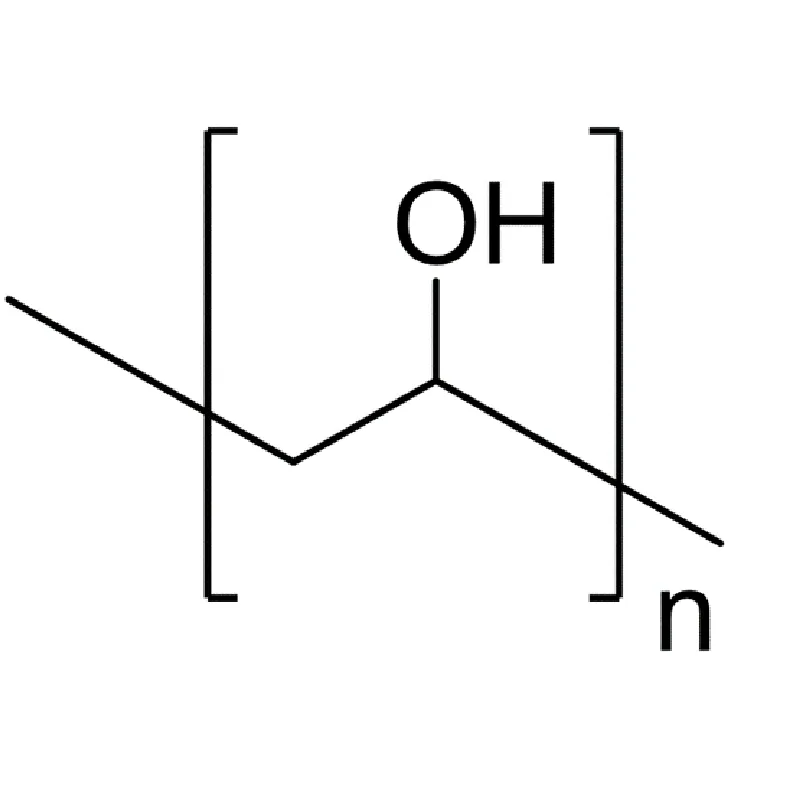
Polyvinyl alcohol (PVA) is a water-soluble high-molecular solid material that may appear as white fine powder, translucent flakes or loose flocculent particles under normal storage conditions. Its glass transition temperature falls within the range of 60–85°C, which directly affects its film-forming
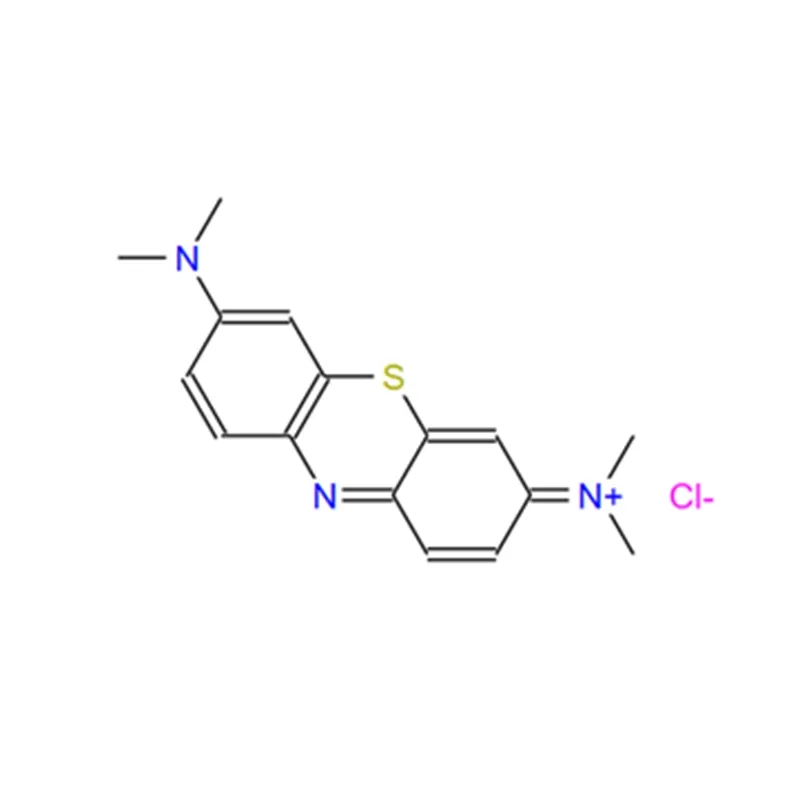
Methylene Blue (MB for short), with CAS number 61-73-4, is an organic heterocyclic compound. It appears as a dark green, glossy crystalline powder with no odor. It is readily soluble in water, forming a clear sky-blue solution upon dissolution, slightly soluble in ethanol, and insoluble in ether. As
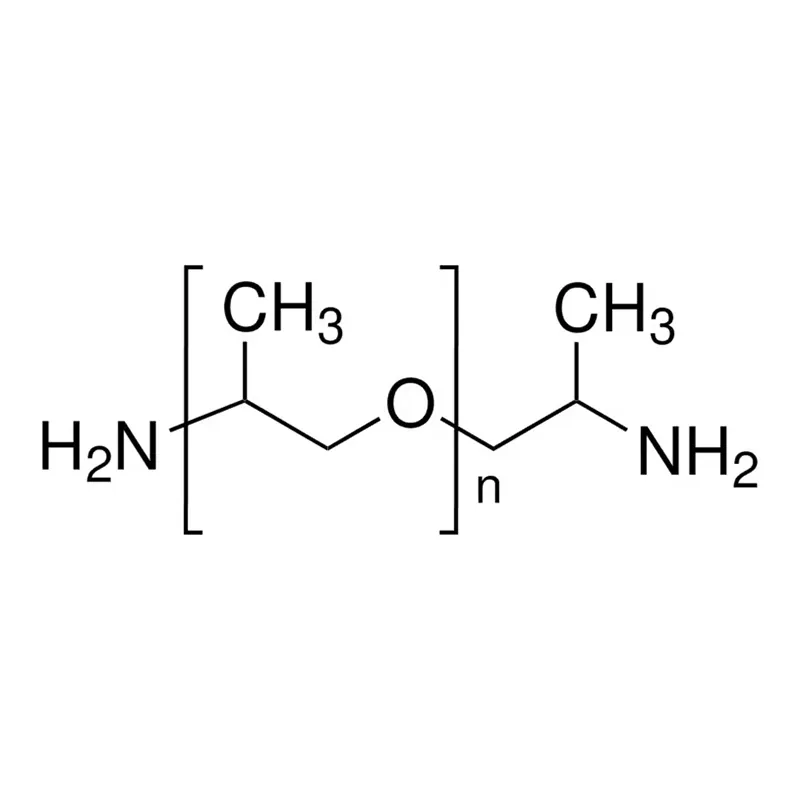
Amine-Terminated Polyether, generally shortened to ATPE, represents a special class of polyether polymer materials constructed around a bendable polyether molecular backbone. Both termini of its long molecular chain are grafted with reactive primary or secondary amino groups, which form the core rea
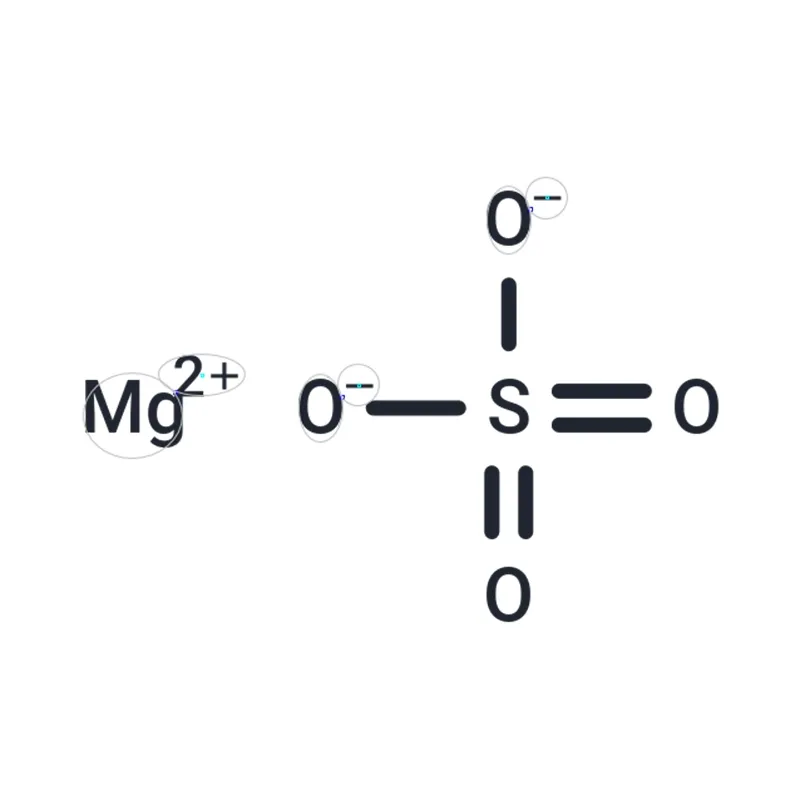
Magnesium sulfate, also known as Epsom salt, bitter salt or bitter sulfur, is an inorganic compound with the chemical formula MgSO4. It is a common magnesium-containing salt, widely used in various industries due to its distinctive physical and chemical properties. Physically, it is usually colorles
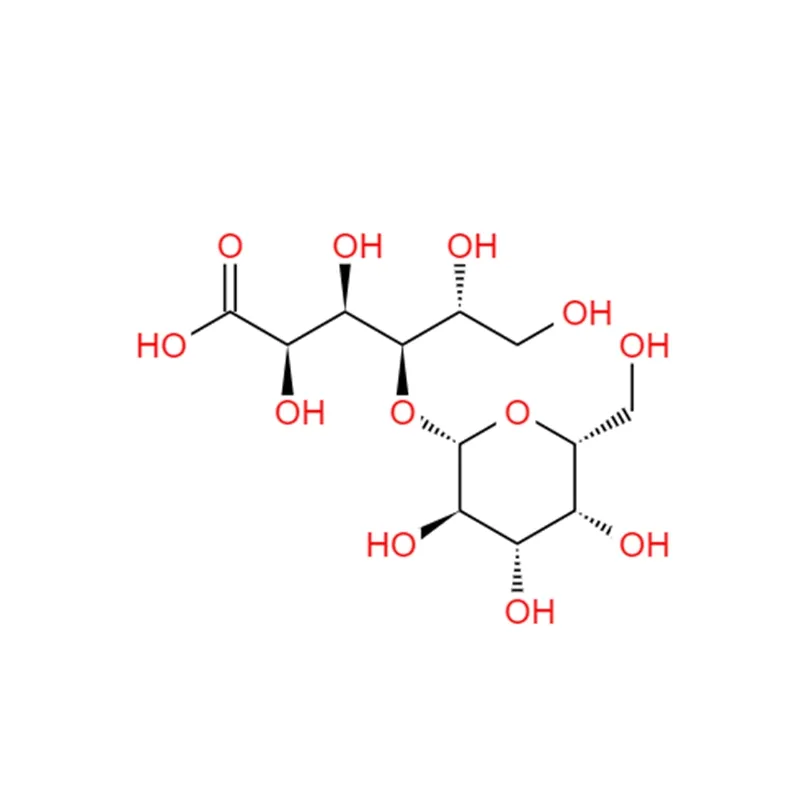
Lactobionic acid, with CAS number 96-82-2 and molecular formula C₁₂H₂₂O₁₂, appears as white or faint off-white fine crystalline powder that is odorless, slightly sour-tasting and notably hygroscopic. In terms of physicochemical properties, it dissolves readily in water with a solubility of 10 grams
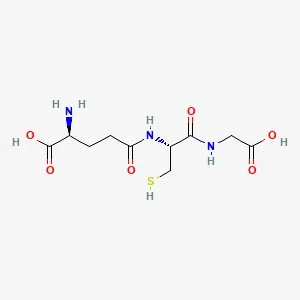
Glutathione CAS#70-18-8 Description Composed of glutamic acid, cysteine and glycine connected by peptide bonds, glutathione is an essential cellular tripeptide thiol that fights oxidative stress. It was discovered in 1921, with its chemical structure confirmed in 1930, and is known as a multi-functi
Commonly referred to as methylene chloride, dichloromethane has the chemical formula CH₂Cl₂. It belongs to halogenated methane compounds, which is synthesized by substituting two hydrogen atoms of methane with chlorine element It is a colourless clear liquid with a density greater than water, emitti
Product Description: Cesium Iodide, CAS No. 7789-17-5 Cesium iodide (CsI), together with its thallium-doped derivative CsI(Tl) and other inorganic halide scintillants, serves as a core scintillation medium for equipment built to track high-energy particles and monitor ionizing radiation. Manufacture
Nonylphenol propionate, also known as parahydroxyphenylpropionate, is an organic ester compound synthesized through the esterification reaction of nonylphenol and propionic acid. It typically presents as a white to off-white crystalline powder or fine flake solid with a faint, mild characteristic od
Products Description of CETEARYL ALCOHOL CAS#8005-44-5 Cetearyl alcohol is a compound mixture of cetyl alcohol and stearyl alcohol, mainly produced by hydrogenation of plant-based fatty oils. It appears as neat white flakes, particles or solid blocks with faint fatty odor, indicating high purity and
Products Description of Eucalyptus Oil CAS#8000-48-4 Eucalyptus oil ranks as one of the most versatile and commonly applied natural essential oils across global industries. As confectionery products such as hard candies and chewing gum gain larger market demand worldwide, this oil has become a prefe
Poly (diallyldimethylammonium chloride), abbreviated as PDADMAC and usually supplied in aqueous solution form, belongs to the category of cationic organic polyelectrolytes. Boasting prominent flocculation and coagulation capabilities, this product has become a mainstream chemical additive for plenty
Polyvinyl alcohol (PVA) is a water-soluble high-molecular solid material that may appear as white fine powder, translucent flakes or loose flocculent particles under normal storage conditions. Its glass transition temperature falls within the range of 60–85°C, which directly affects its film-forming
Methylene Blue (MB for short), with CAS number 61-73-4, is an organic heterocyclic compound. It appears as a dark green, glossy crystalline powder with no odor. It is readily soluble in water, forming a clear sky-blue solution upon dissolution, slightly soluble in ethanol, and insoluble in ether. As
Amine-Terminated Polyether, generally shortened to ATPE, represents a special class of polyether polymer materials constructed around a bendable polyether molecular backbone. Both termini of its long molecular chain are grafted with reactive primary or secondary amino groups, which form the core rea
Magnesium sulfate, also known as Epsom salt, bitter salt or bitter sulfur, is an inorganic compound with the chemical formula MgSO4. It is a common magnesium-containing salt, widely used in various industries due to its distinctive physical and chemical properties. Physically, it is usually colorles
Lactobionic acid, with CAS number 96-82-2 and molecular formula C₁₂H₂₂O₁₂, appears as white or faint off-white fine crystalline powder that is odorless, slightly sour-tasting and notably hygroscopic. In terms of physicochemical properties, it dissolves readily in water with a solubility of 10 grams
Glutathione CAS#70-18-8 Description Composed of glutamic acid, cysteine and glycine connected by peptide bonds, glutathione is an essential cellular tripeptide thiol that fights oxidative stress. It was discovered in 1921, with its chemical structure confirmed in 1930, and is known as a multi-functi