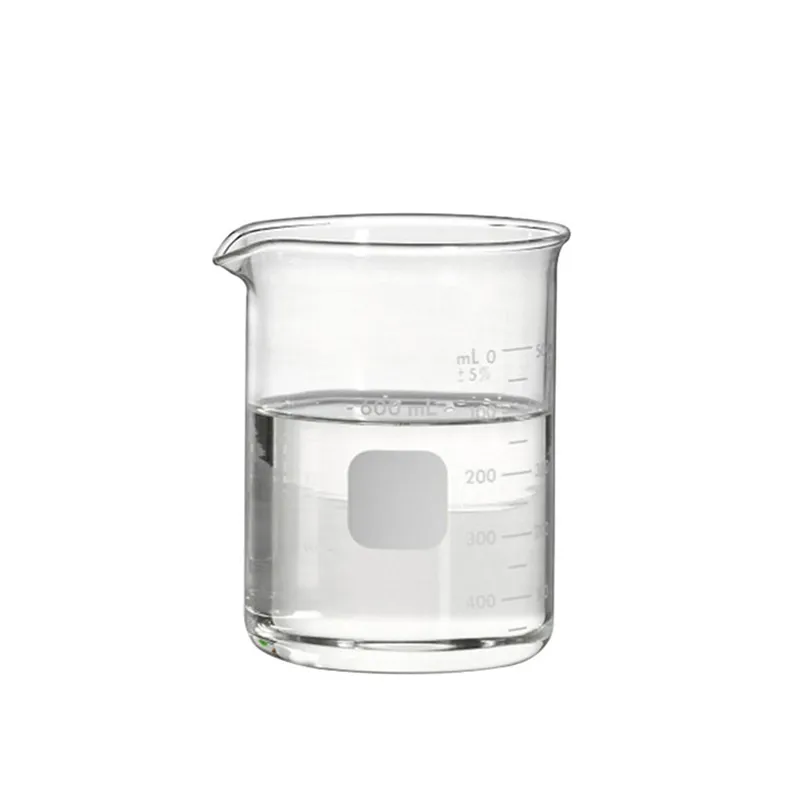
Hydroxycitronellal, IUPAC name: 3,7-Dimethyl-7-hydroxyoctanal, CAS#107-75-5 Hydroxycitronellal is a classic synthetic aroma aldehyde widely applied in global fragrance industry. It delivers an intense, sweet, elegant floral lily / lily-of-the-valley (muguet) odor with subtle fresh green undertones,
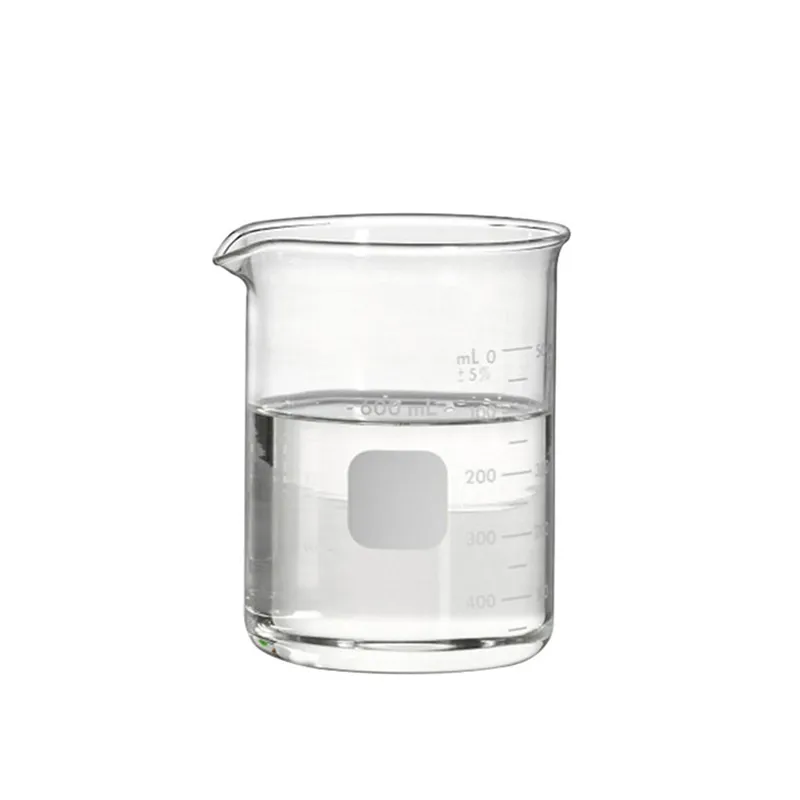
Cyclamen aldehyde is a synthetic aromatic aldehyde widely applied in global fragrance‑flavour industry. It appears as clear, colourless to pale‑yellow liquid at room temperature, featuring a powerful, diffusive floral odour reminiscent of cyclamen and lily‑of‑the‑valley, with subtle fresh melon‑gree
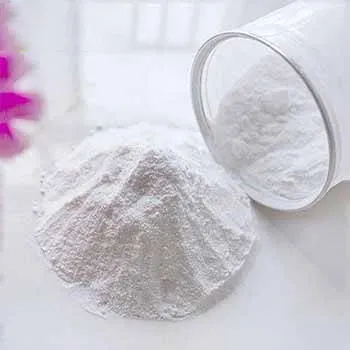
Titanium dioxide (\(TiO_2\)) is an inert white inorganic powder, well‑known for delivering the highest hiding power among all commercially available white pigments. Thanks to its exceptional opacity, bright whiteness and excellent light‑scattering property, it can efficiently cover underlying substr
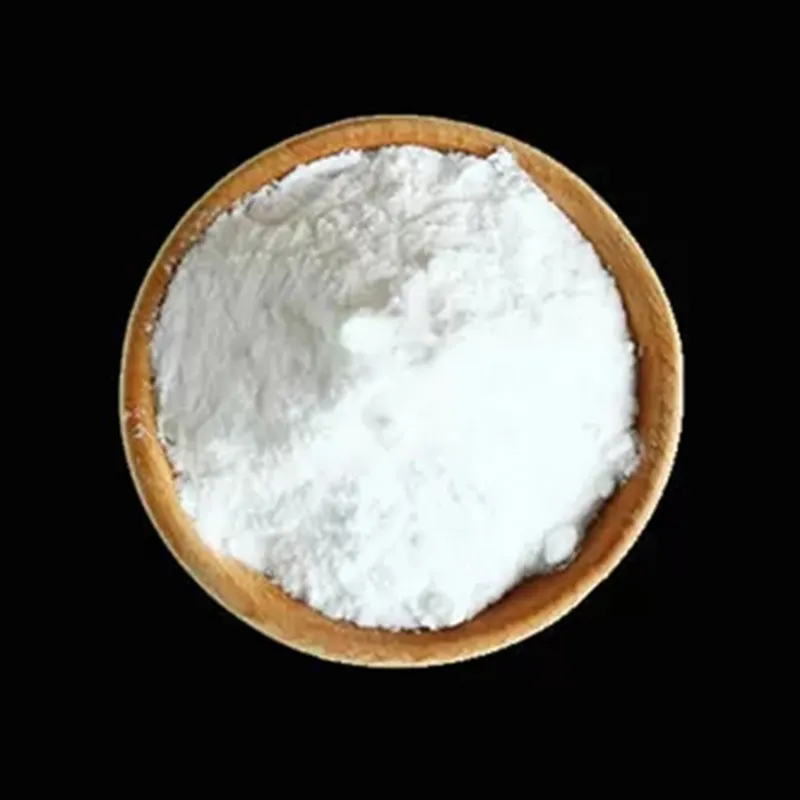
Calcium benzoate is the calcium salt derived from benzoic acid, widely recognised as an effective antimicrobial preservative across global food‑processing industries. Assigned the food additive E number E213 (INS 213), this ingredient has obtained official usage approvals in multiple major regions i
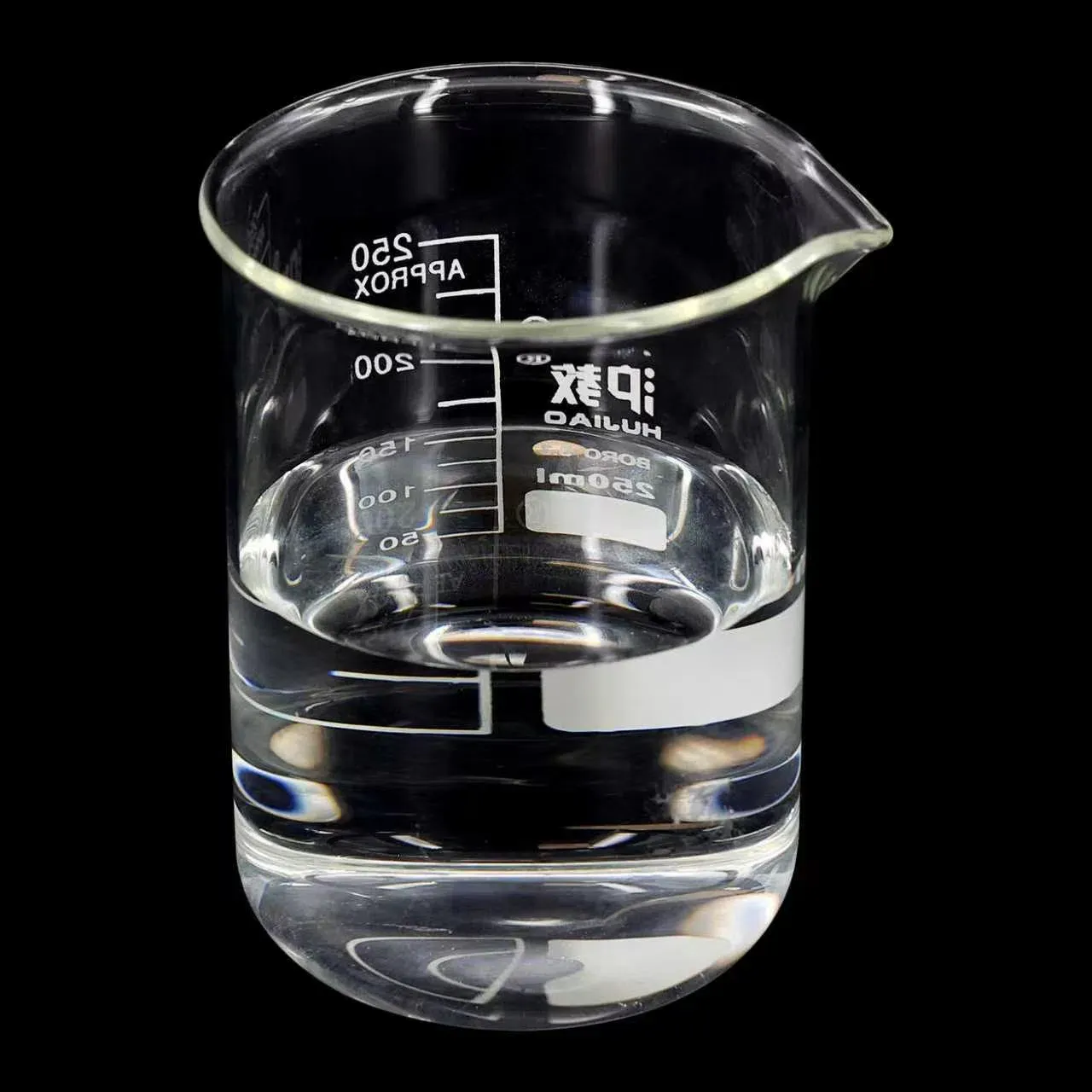
p-Anisaldehyde (4-methoxybenzaldehyde) is a premium aromatic aldehyde, presented as a colorless to pale yellow transparent liquid at ambient temperature, featuring a pleasant sweet hawthorn-like floral scent. Its solubility profile: sparingly soluble in water (0.3% approx), slightly soluble in propy
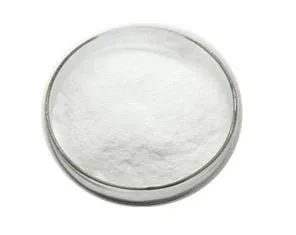
Sodium Phytate CAS#14306-25-3 Sodium Phytate is a natural organic sodium salt derived from phytic acid, a naturally occurring saturated cyclic acid widely existing in plant tissues. It is predominantly accumulated in cereal bran, grains, nuts and plant seeds, serving as the major natural phosphorus
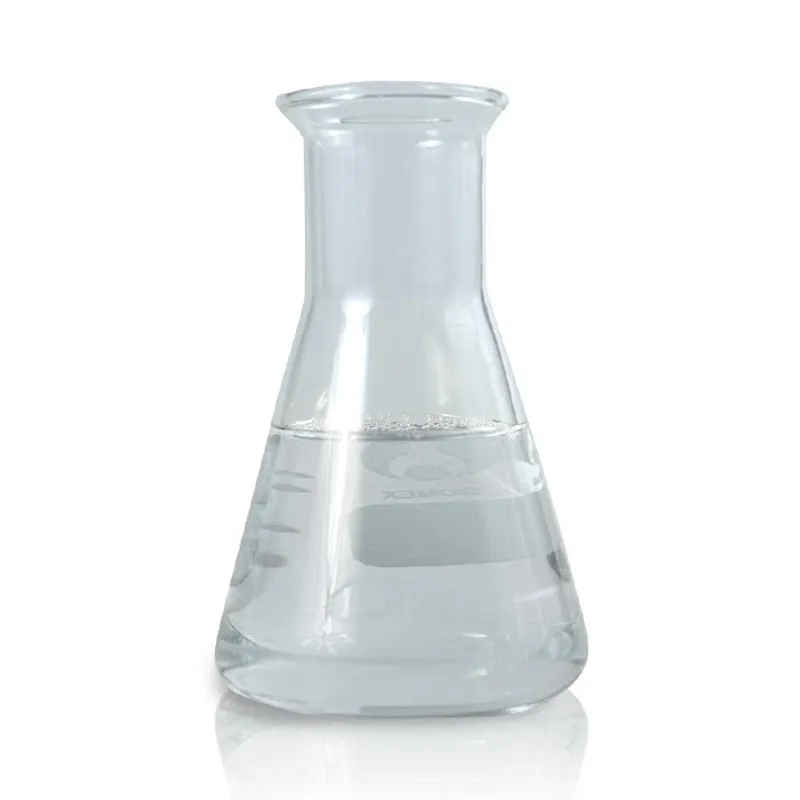
Spearmint Oil, CAS#8008-79-5, is a natural volatile essential oil. It is produced via steam distillation using fresh aerial parts of flowering Mentha spicata L. (spearmint plant). Careful harvesting of flowering spearmint above-ground raw materials helps preserve the complete natural aroma compositi
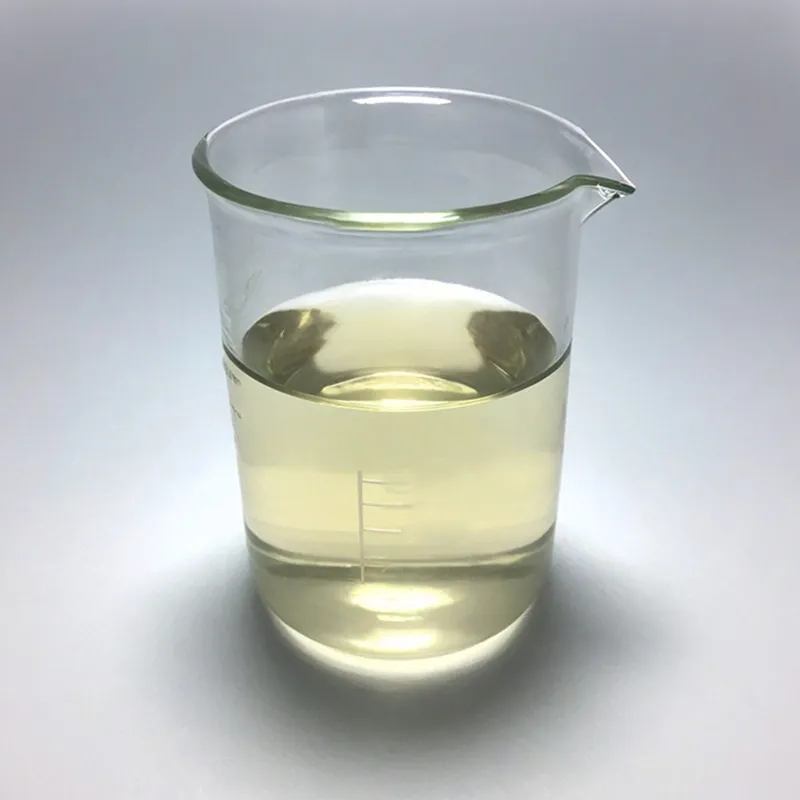
Petitgrain Oil, CAS#8014-17-3, is a natural essential oil extracted from bitter orange trees. Petitgrain bigarade oil is produced via steam distillation from the leaves and twigs of the bitter orange tree, with leaves serving as the primary raw material. The typical yield of this oil is around 0.2%.
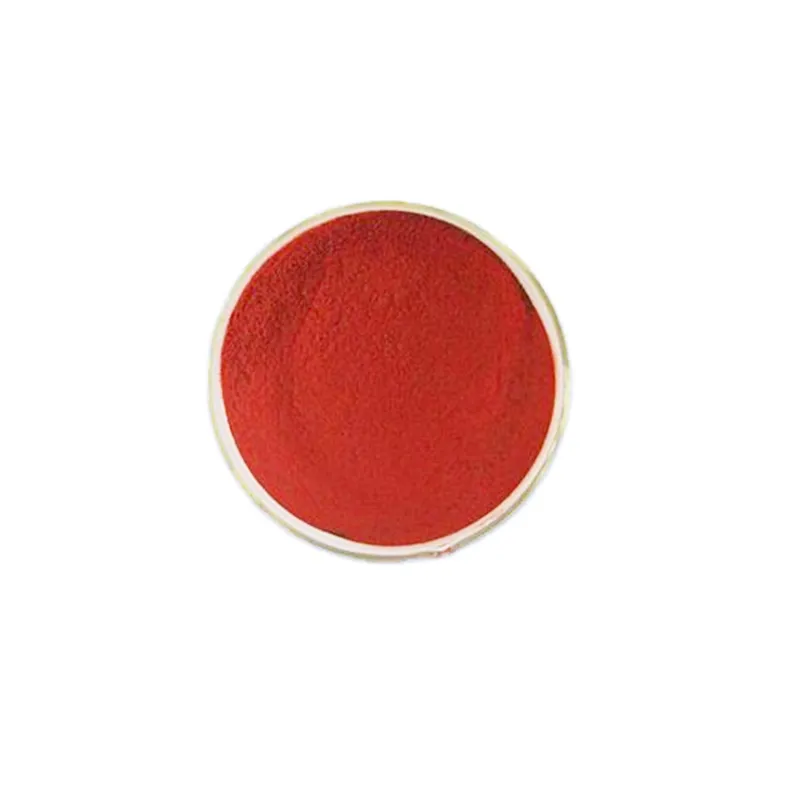
Crocin, CAS No. 42553-65-1, also named crocetin digentiobioside, is the major bioactive pigment naturally extracted from saffron (Crocus sativus L.). It appears as reddish-brown needle-like crystals with a faint, slight odor. In terms of solubility, Crocin dissolves readily in hot water to form an o
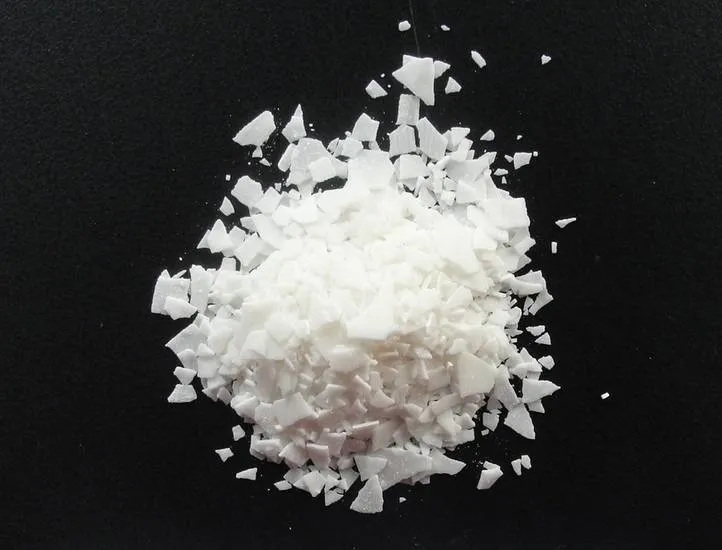
Sodium hydroxide, CAS No. 1310-73-2, commonly referred to as caustic soda or lye, is an inorganic strong alkali with the chemical formula NaOH. It appears as white solid flakes, pearls, pellets or blocks in commercial grades, featuring strong hygroscopicity and deliquescence when exposed to open air
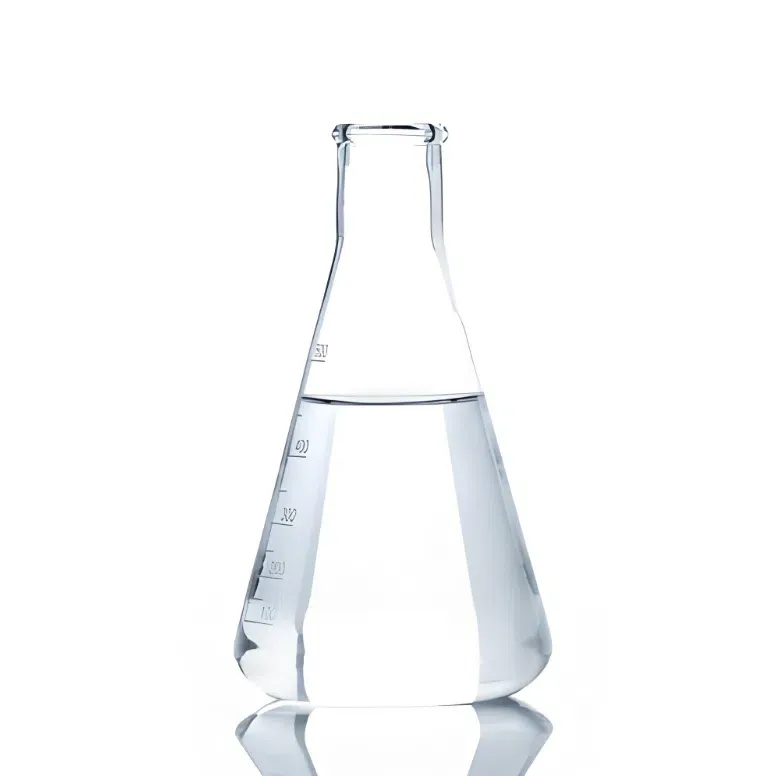
Polyethylene-polypropylene glycol | Pluronic® F-127 CAS#:9003-11-6 Pluronic® F-127, also named Polyethylene-polypropylene glycol block copolymer, is a high-performance nonionic surfactant / nonionic detergent. It is widely applied in biochemistry and cell biology research to solubilize hydrophobic m
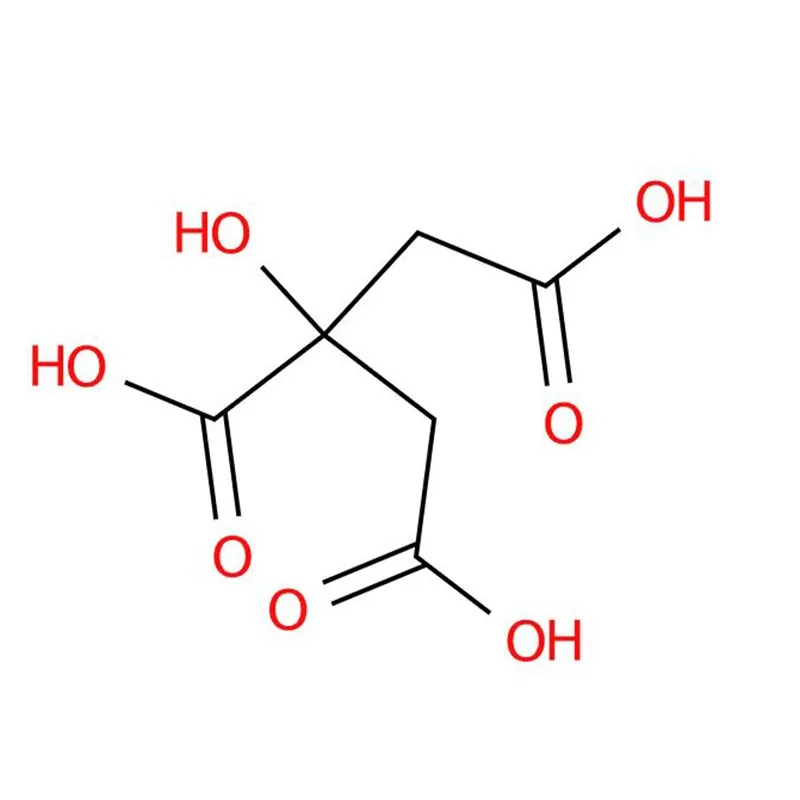
Product Details Paraffin is a hydrocarbon mixture derived from specific distillates of petroleum, shale oil, or other bituminous mineral oils. The primary component is solid alkane, which is odorless and tasteless. Paraffin consists of normal-chain saturated alkanes with varying molecular weights, t
Hydroxycitronellal, IUPAC name: 3,7-Dimethyl-7-hydroxyoctanal, CAS#107-75-5 Hydroxycitronellal is a classic synthetic aroma aldehyde widely applied in global fragrance industry. It delivers an intense, sweet, elegant floral lily / lily-of-the-valley (muguet) odor with subtle fresh green undertones,
Cyclamen aldehyde is a synthetic aromatic aldehyde widely applied in global fragrance‑flavour industry. It appears as clear, colourless to pale‑yellow liquid at room temperature, featuring a powerful, diffusive floral odour reminiscent of cyclamen and lily‑of‑the‑valley, with subtle fresh melon‑gree
Titanium dioxide (\(TiO_2\)) is an inert white inorganic powder, well‑known for delivering the highest hiding power among all commercially available white pigments. Thanks to its exceptional opacity, bright whiteness and excellent light‑scattering property, it can efficiently cover underlying substr
Calcium benzoate is the calcium salt derived from benzoic acid, widely recognised as an effective antimicrobial preservative across global food‑processing industries. Assigned the food additive E number E213 (INS 213), this ingredient has obtained official usage approvals in multiple major regions i
p-Anisaldehyde (4-methoxybenzaldehyde) is a premium aromatic aldehyde, presented as a colorless to pale yellow transparent liquid at ambient temperature, featuring a pleasant sweet hawthorn-like floral scent. Its solubility profile: sparingly soluble in water (0.3% approx), slightly soluble in propy
Sodium Phytate CAS#14306-25-3 Sodium Phytate is a natural organic sodium salt derived from phytic acid, a naturally occurring saturated cyclic acid widely existing in plant tissues. It is predominantly accumulated in cereal bran, grains, nuts and plant seeds, serving as the major natural phosphorus
Spearmint Oil, CAS#8008-79-5, is a natural volatile essential oil. It is produced via steam distillation using fresh aerial parts of flowering Mentha spicata L. (spearmint plant). Careful harvesting of flowering spearmint above-ground raw materials helps preserve the complete natural aroma compositi
Petitgrain Oil, CAS#8014-17-3, is a natural essential oil extracted from bitter orange trees. Petitgrain bigarade oil is produced via steam distillation from the leaves and twigs of the bitter orange tree, with leaves serving as the primary raw material. The typical yield of this oil is around 0.2%.
Crocin, CAS No. 42553-65-1, also named crocetin digentiobioside, is the major bioactive pigment naturally extracted from saffron (Crocus sativus L.). It appears as reddish-brown needle-like crystals with a faint, slight odor. In terms of solubility, Crocin dissolves readily in hot water to form an o
Sodium hydroxide, CAS No. 1310-73-2, commonly referred to as caustic soda or lye, is an inorganic strong alkali with the chemical formula NaOH. It appears as white solid flakes, pearls, pellets or blocks in commercial grades, featuring strong hygroscopicity and deliquescence when exposed to open air
Polyethylene-polypropylene glycol | Pluronic® F-127 CAS#:9003-11-6 Pluronic® F-127, also named Polyethylene-polypropylene glycol block copolymer, is a high-performance nonionic surfactant / nonionic detergent. It is widely applied in biochemistry and cell biology research to solubilize hydrophobic m
Product Details Paraffin is a hydrocarbon mixture derived from specific distillates of petroleum, shale oil, or other bituminous mineral oils. The primary component is solid alkane, which is odorless and tasteless. Paraffin consists of normal-chain saturated alkanes with varying molecular weights, t