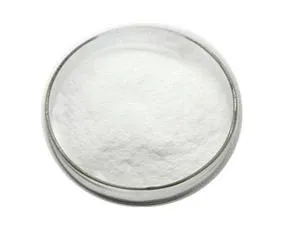
Sodium Phytate CAS#14306-25-3 Sodium Phytate is a natural organic sodium salt derived from phytic acid, a naturally occurring saturated cyclic acid widely existing in plant tissues. It is predominantly accumulated in cereal bran, grains, nuts and plant seeds, serving as the major natural phosphorus
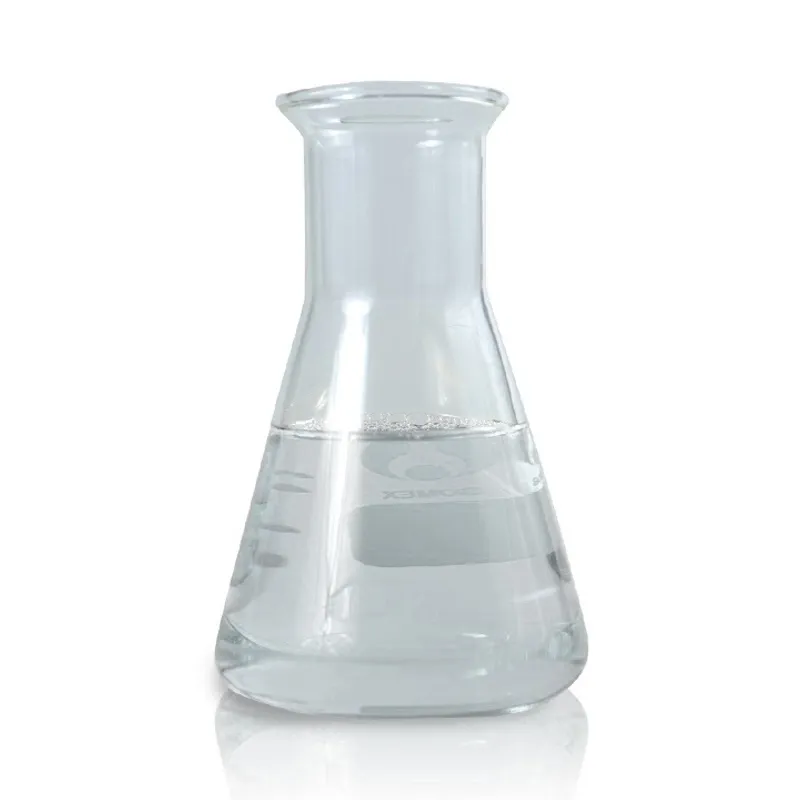
Spearmint Oil, CAS#8008-79-5, is a natural volatile essential oil. It is produced via steam distillation using fresh aerial parts of flowering Mentha spicata L. (spearmint plant). Careful harvesting of flowering spearmint above-ground raw materials helps preserve the complete natural aroma compositi
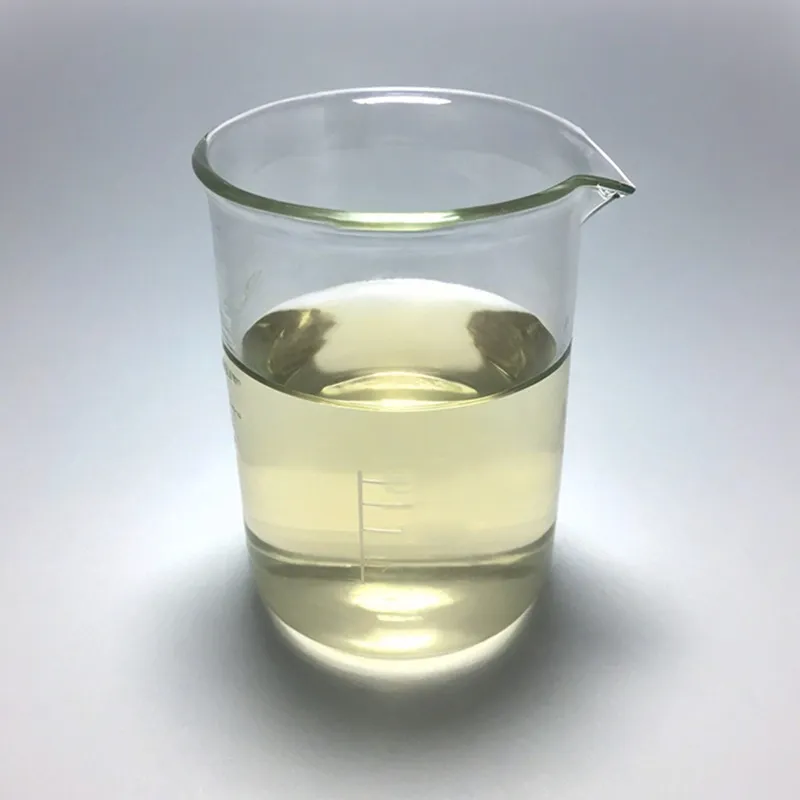
Petitgrain Oil, CAS#8014-17-3, is a natural essential oil extracted from bitter orange trees. Petitgrain bigarade oil is produced via steam distillation from the leaves and twigs of the bitter orange tree, with leaves serving as the primary raw material. The typical yield of this oil is around 0.2%.
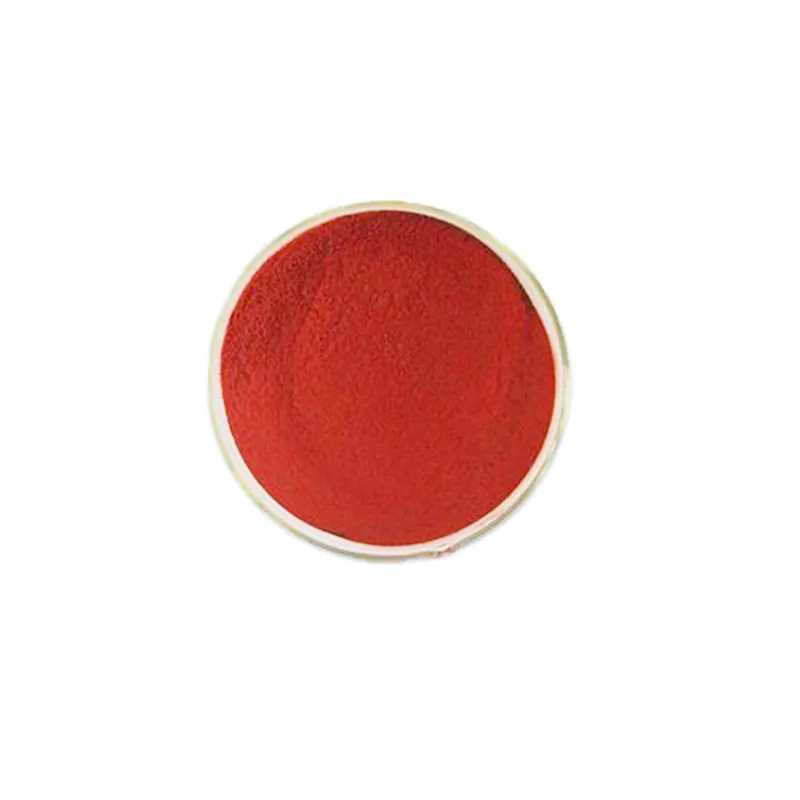
Crocin, CAS No. 42553-65-1, also named crocetin digentiobioside, is the major bioactive pigment naturally extracted from saffron (Crocus sativus L.). It appears as reddish-brown needle-like crystals with a faint, slight odor. In terms of solubility, Crocin dissolves readily in hot water to form an o
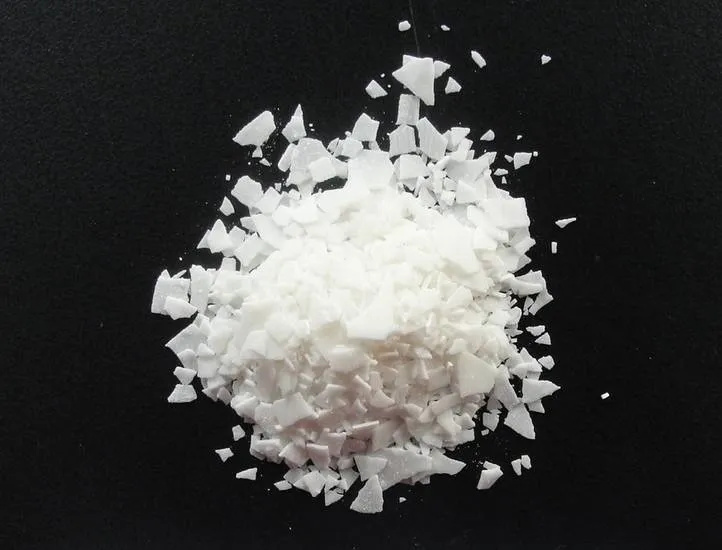
Sodium hydroxide, CAS No. 1310-73-2, commonly referred to as caustic soda or lye, is an inorganic strong alkali with the chemical formula NaOH. It appears as white solid flakes, pearls, pellets or blocks in commercial grades, featuring strong hygroscopicity and deliquescence when exposed to open air
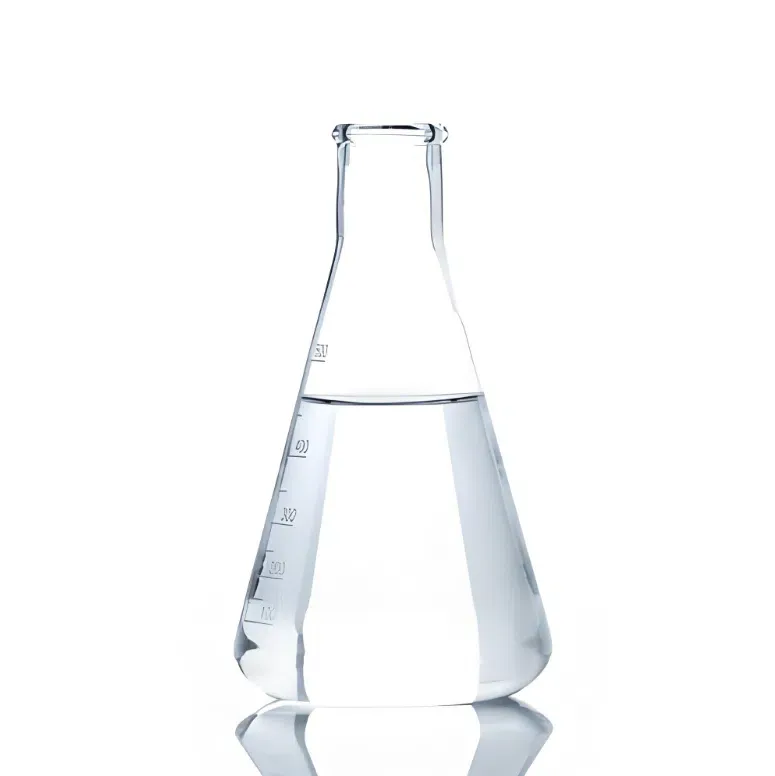
Polyethylene-polypropylene glycol | Pluronic® F-127 CAS#:9003-11-6 Pluronic® F-127, also named Polyethylene-polypropylene glycol block copolymer, is a high-performance nonionic surfactant / nonionic detergent. It is widely applied in biochemistry and cell biology research to solubilize hydrophobic m
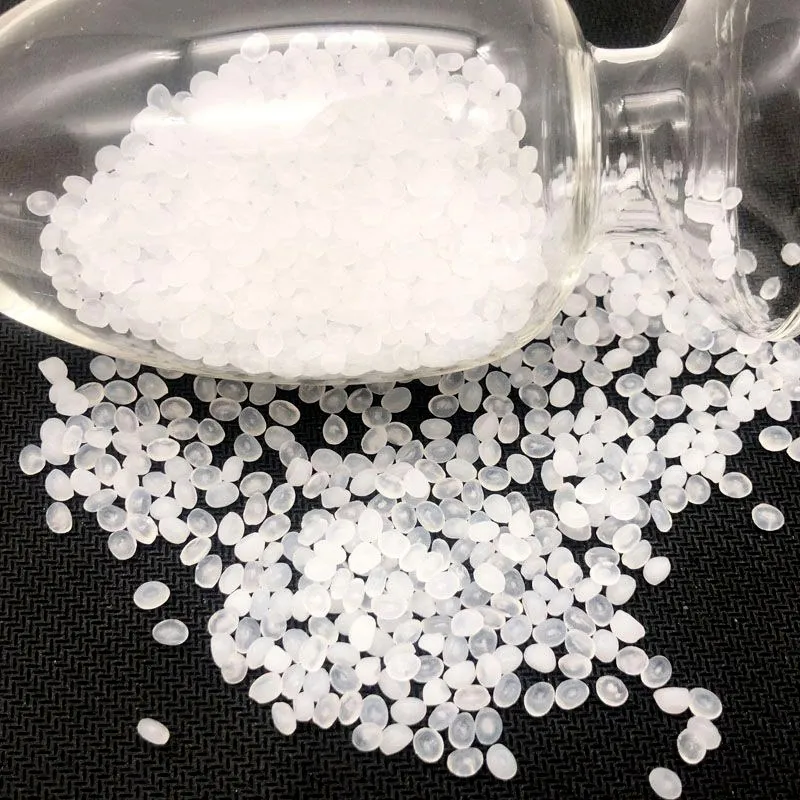
Product Details Polyethylene (PE) is currently the most widely produced high-grade polymer material and ranks first in global plastic output. Different grades of PE have distinct application focuses: 1.Low-Density Polyethylene (LDPE): Primarily used in the production of flexible products, with key a
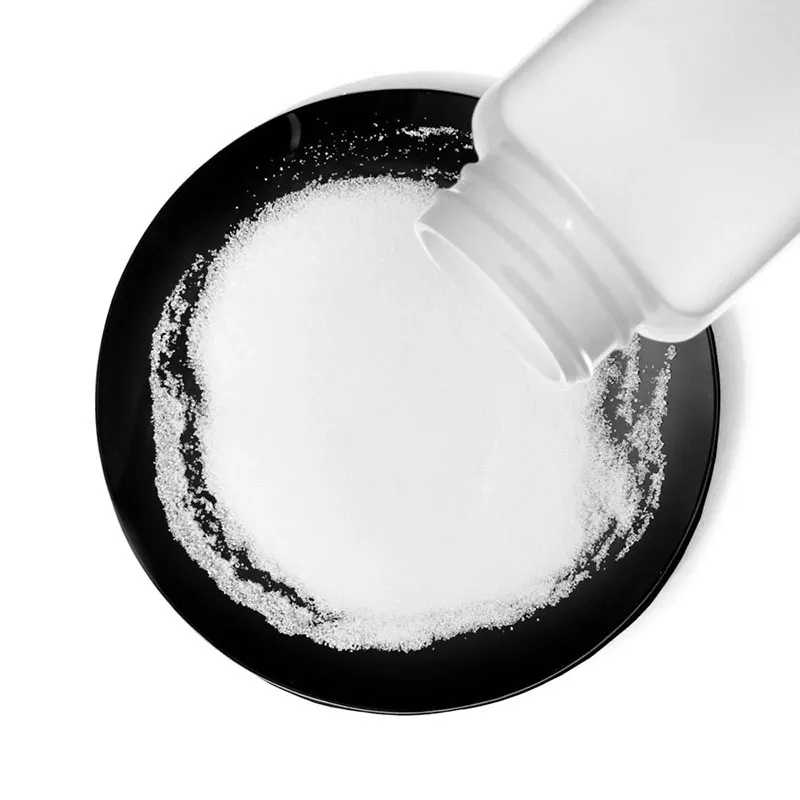
Product Details Palatinose, also known as isomaltulose, is a sucrose isomer derived from sucrose as the starting material. It is transformed and purified via α-glucosyltransferase, representing a sweetener developed through biotechnological methods—specifically enzyme engineering—to modify sucrose’s
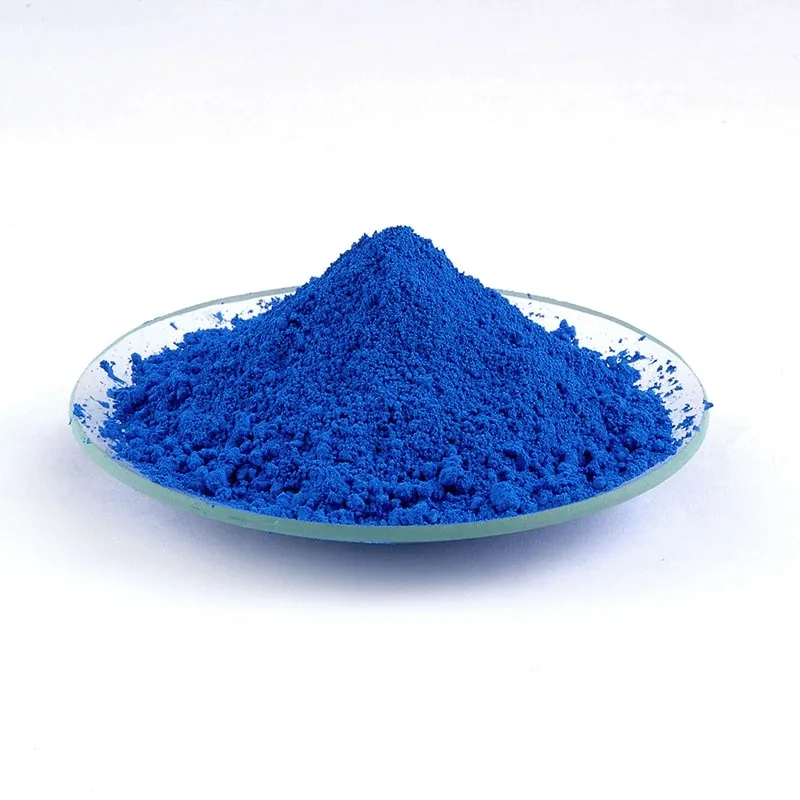
Product Details: Indigo (CAS# 482-89-3) is a traditional vat dye with more than 3,000 years of history. During the Warring States period, Xun Kuang wrote the well-known line “Blue is extracted from bluegrass, yet surpasses bluegrass in color”—a saying that comes from the indigo dyeing craft of that

Product Details Product Description of Hydrogenated Starch Hydrolysate CAS#68425-17-2 · Appearance: Colorless, odorless, transparent viscous liquid; non-crystalline · Properties: Strong hygroscopicity, sweet taste; water-soluble, poorly soluble in ethanol · Forms: Typically liquid, can be converted
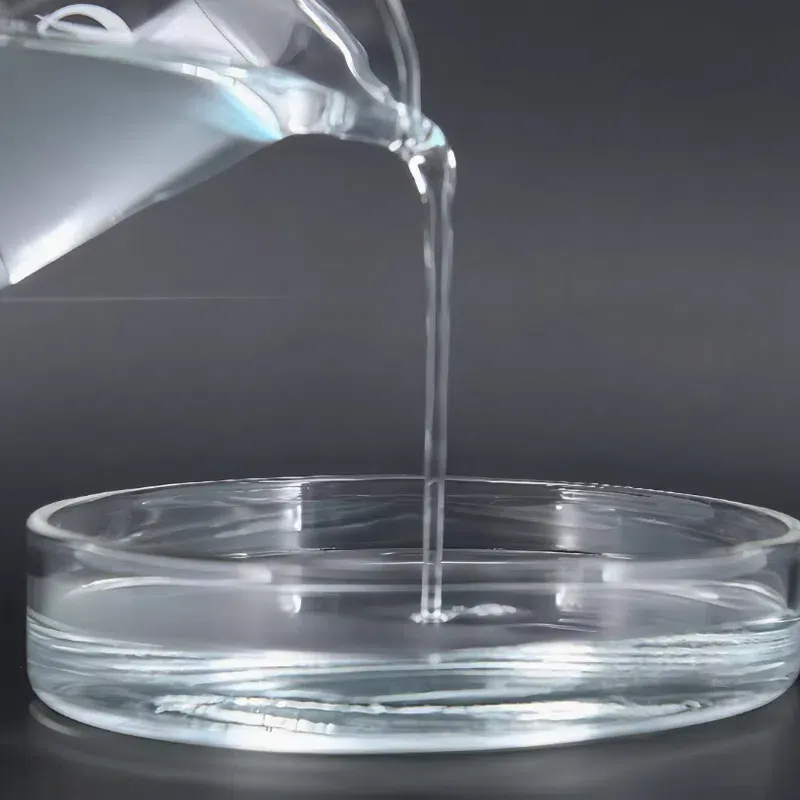
Product Details Products Description of Diphenyl Ether CAS#101-84-8 Diphenyl Ether (CAS#101-84-8) is a colorless material, either a crystalline solid or clear liquid, with a light, nice fragrance. It melts at about 81 °F (27.2 °C), becoming a see-through liquid once warmer than this temperature. It

Product Details Dioctyl sulfosuccinate sodium salt (commonly known as docusate sodium) is primarily utilized in the medical field for constipation management, functioning as both a laxative and a stool softener to ease bowel movements. Beyond its therapeutic role in treating constipation, this compo
Sodium Phytate CAS#14306-25-3 Sodium Phytate is a natural organic sodium salt derived from phytic acid, a naturally occurring saturated cyclic acid widely existing in plant tissues. It is predominantly accumulated in cereal bran, grains, nuts and plant seeds, serving as the major natural phosphorus
Spearmint Oil, CAS#8008-79-5, is a natural volatile essential oil. It is produced via steam distillation using fresh aerial parts of flowering Mentha spicata L. (spearmint plant). Careful harvesting of flowering spearmint above-ground raw materials helps preserve the complete natural aroma compositi
Petitgrain Oil, CAS#8014-17-3, is a natural essential oil extracted from bitter orange trees. Petitgrain bigarade oil is produced via steam distillation from the leaves and twigs of the bitter orange tree, with leaves serving as the primary raw material. The typical yield of this oil is around 0.2%.
Crocin, CAS No. 42553-65-1, also named crocetin digentiobioside, is the major bioactive pigment naturally extracted from saffron (Crocus sativus L.). It appears as reddish-brown needle-like crystals with a faint, slight odor. In terms of solubility, Crocin dissolves readily in hot water to form an o
Sodium hydroxide, CAS No. 1310-73-2, commonly referred to as caustic soda or lye, is an inorganic strong alkali with the chemical formula NaOH. It appears as white solid flakes, pearls, pellets or blocks in commercial grades, featuring strong hygroscopicity and deliquescence when exposed to open air
Polyethylene-polypropylene glycol | Pluronic® F-127 CAS#:9003-11-6 Pluronic® F-127, also named Polyethylene-polypropylene glycol block copolymer, is a high-performance nonionic surfactant / nonionic detergent. It is widely applied in biochemistry and cell biology research to solubilize hydrophobic m
Product Details Polyethylene (PE) is currently the most widely produced high-grade polymer material and ranks first in global plastic output. Different grades of PE have distinct application focuses: 1.Low-Density Polyethylene (LDPE): Primarily used in the production of flexible products, with key a
Product Details Palatinose, also known as isomaltulose, is a sucrose isomer derived from sucrose as the starting material. It is transformed and purified via α-glucosyltransferase, representing a sweetener developed through biotechnological methods—specifically enzyme engineering—to modify sucrose’s
Product Details: Indigo (CAS# 482-89-3) is a traditional vat dye with more than 3,000 years of history. During the Warring States period, Xun Kuang wrote the well-known line “Blue is extracted from bluegrass, yet surpasses bluegrass in color”—a saying that comes from the indigo dyeing craft of that
Product Details Product Description of Hydrogenated Starch Hydrolysate CAS#68425-17-2 · Appearance: Colorless, odorless, transparent viscous liquid; non-crystalline · Properties: Strong hygroscopicity, sweet taste; water-soluble, poorly soluble in ethanol · Forms: Typically liquid, can be converted
Product Details Products Description of Diphenyl Ether CAS#101-84-8 Diphenyl Ether (CAS#101-84-8) is a colorless material, either a crystalline solid or clear liquid, with a light, nice fragrance. It melts at about 81 °F (27.2 °C), becoming a see-through liquid once warmer than this temperature. It
Product Details Dioctyl sulfosuccinate sodium salt (commonly known as docusate sodium) is primarily utilized in the medical field for constipation management, functioning as both a laxative and a stool softener to ease bowel movements. Beyond its therapeutic role in treating constipation, this compo