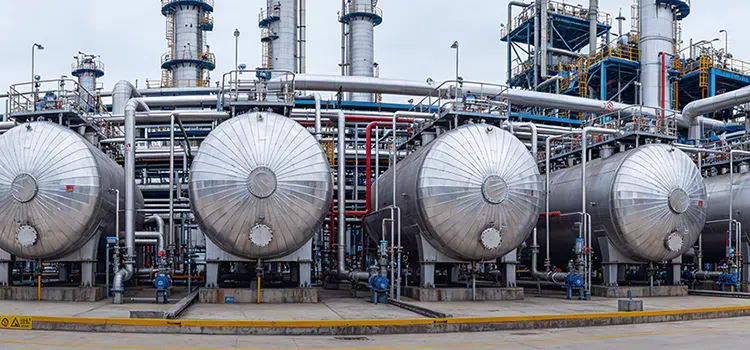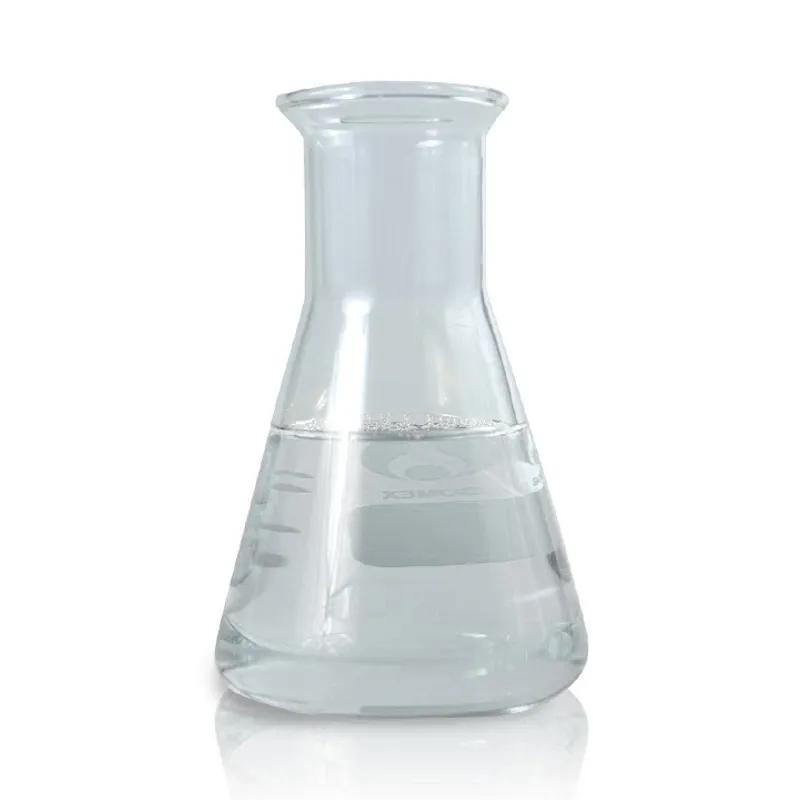
N-(Trimethylsilyl)imidazole (TMSI) is a powerful selective silylating agent for alcohols, phenols and 1,3-dicarbonyl compounds. It reacts with esters to form imidazolides, supports the synthesis of O-trimethylsilyl monothioacetals, and realizes aromatization of the A-ring of steroid structures. It e
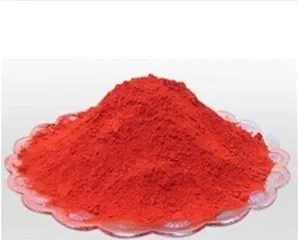
Acid Orange 7, CAS#633‑96‑5 Acid Orange 7 is a typical representative of naphthalene‑series acid dyes, featuring vivid orange‑red shade and favorable water‑soluble properties. It exhibits good affinity for protein‑based substrates and delivers bright, uniform color after dyeing. The derived orange a
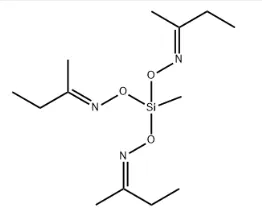
Methyltris(methylethylketoxime)silane is a classic oxime-type neutral crosslinking agent specially designed for one-component room temperature vulcanized (RTV-1) silicone sealants. It serves as the core neutral curing agent in silicone sealant formulations. Generally, under ambient temperature and a
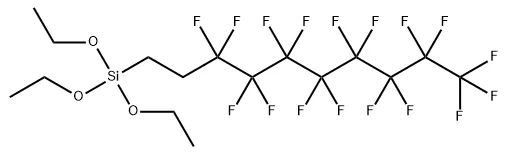
1H,1H,2H,2H-Perfluorodecyltriethoxysilane, alternatively referred to as perfluoroalkylethyltriethoxysilane (PFATES), is a high-performance fluorinated silane coupling agent. Featuring a unique molecular structure composed of long-chain perfluorocarbon segments and hydrolyzable ethoxy groups, this pr
N-tert-Butyl-2-benzothiazolesulfenamide, CAS No. 95-31-8, commonly abbreviated as TBBS. TBBS is a vital sulfenamide-type vulcanization accelerator. It features excellent resistance to premature scorch while delivering a rapid vulcanization speed. It applies to natural rubber, styrene-butadiene rubbe
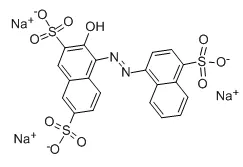
Acid Red 27, also widely known as Amaranth or FD & C Red No.2, is a synthetic anionic dye. Its main constituent is trisodium 2‑hydroxy‑1‑(4‑sulfonato‑1‑naphthylazo)naphthalene‑3,6‑disulfonate. Besides primary color‑giving substances, it contains minor auxiliary color impurities. Sodium chloride and
Dihydromyricetin (DHM, also called Ampelopsin) is a natural flavonoid enriched in multiple Asian plants. Hovenia dulcis, in particular, has long been applied in traditional Chinese medicine to tackle alcohol poisoning and hangover discomfort (Liang et al. 2014). As a popular supplement raw material,
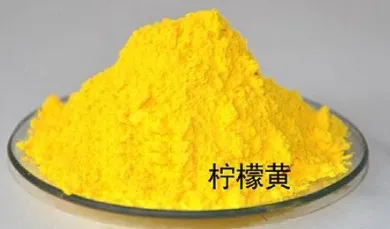
Tartrazine, also known as FD & C Yellow No.5, CAS#1934‑21‑0, is predominantly the trisodium salt of 4,5‑dihydro‑5‑oxo‑1‑(4‑sulfophenyl)‑4‑[4‑sulfophenyl‑azo]‑1H‑pyrazole‑3‑carboxylic acid. As a classic water‑soluble azo synthetic colorant, it is widely adopted across food, pharmaceutical and cosmeti
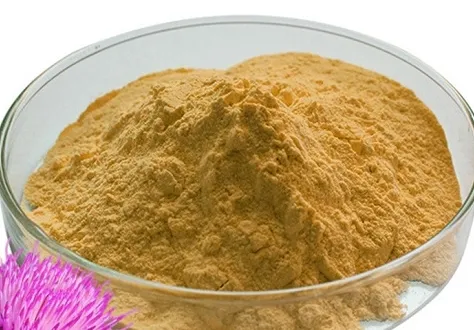
Silymarin CAS#65666-07-1 Obtained from milk thistle, silymarin is a flavonoid mixture made up of silybin, silydianin and silychristin. It possesses strong antioxidant, anti-cancer and hepatoprotective properties, supporting a wide range of pharmacological applications. It helps sustain healthy liver
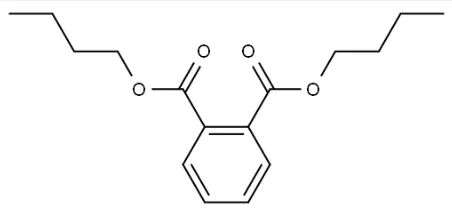
Dibutyl phthalate CAS#84-74-2 Dibutyl phthalate is a colorless oily liquid with low solubility in water. Special attention needs to be paid to environmental safety in the whole handling process. In the event of leakage, the liquid can permeate soil effortlessly, causing potential pollution to ground
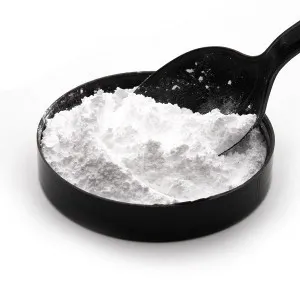
α-Glucosidase CAS#9001-42-7 It is available as a clear amber to dark brown liquid, or alternatively a white to pale tan powder. This enzyme system primarily consists of α-amylase (liquefying enzyme) and β-amylase (maltogenic enzyme). α-Amylase preferentially cleaves α-1,4-glycosidic linkages within
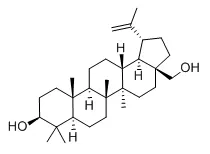
Betulin (CAS#473-98-3) Sterol regulatory element-binding protein 2 (SREBP-2) controls cholesterol synthesis through activating transcription of HMG-CoA reductase and other cholesterol-synthesizing enzymes. When sterol concentration inside cells is high, SREBP combines with SCAP and Insig and remains
N-(Trimethylsilyl)imidazole (TMSI) is a powerful selective silylating agent for alcohols, phenols and 1,3-dicarbonyl compounds. It reacts with esters to form imidazolides, supports the synthesis of O-trimethylsilyl monothioacetals, and realizes aromatization of the A-ring of steroid structures. It e
Acid Orange 7, CAS#633‑96‑5 Acid Orange 7 is a typical representative of naphthalene‑series acid dyes, featuring vivid orange‑red shade and favorable water‑soluble properties. It exhibits good affinity for protein‑based substrates and delivers bright, uniform color after dyeing. The derived orange a
Methyltris(methylethylketoxime)silane is a classic oxime-type neutral crosslinking agent specially designed for one-component room temperature vulcanized (RTV-1) silicone sealants. It serves as the core neutral curing agent in silicone sealant formulations. Generally, under ambient temperature and a
1H,1H,2H,2H-Perfluorodecyltriethoxysilane, alternatively referred to as perfluoroalkylethyltriethoxysilane (PFATES), is a high-performance fluorinated silane coupling agent. Featuring a unique molecular structure composed of long-chain perfluorocarbon segments and hydrolyzable ethoxy groups, this pr
N-tert-Butyl-2-benzothiazolesulfenamide, CAS No. 95-31-8, commonly abbreviated as TBBS. TBBS is a vital sulfenamide-type vulcanization accelerator. It features excellent resistance to premature scorch while delivering a rapid vulcanization speed. It applies to natural rubber, styrene-butadiene rubbe
Acid Red 27, also widely known as Amaranth or FD & C Red No.2, is a synthetic anionic dye. Its main constituent is trisodium 2‑hydroxy‑1‑(4‑sulfonato‑1‑naphthylazo)naphthalene‑3,6‑disulfonate. Besides primary color‑giving substances, it contains minor auxiliary color impurities. Sodium chloride and
Dihydromyricetin (DHM, also called Ampelopsin) is a natural flavonoid enriched in multiple Asian plants. Hovenia dulcis, in particular, has long been applied in traditional Chinese medicine to tackle alcohol poisoning and hangover discomfort (Liang et al. 2014). As a popular supplement raw material,
Tartrazine, also known as FD & C Yellow No.5, CAS#1934‑21‑0, is predominantly the trisodium salt of 4,5‑dihydro‑5‑oxo‑1‑(4‑sulfophenyl)‑4‑[4‑sulfophenyl‑azo]‑1H‑pyrazole‑3‑carboxylic acid. As a classic water‑soluble azo synthetic colorant, it is widely adopted across food, pharmaceutical and cosmeti
Silymarin CAS#65666-07-1 Obtained from milk thistle, silymarin is a flavonoid mixture made up of silybin, silydianin and silychristin. It possesses strong antioxidant, anti-cancer and hepatoprotective properties, supporting a wide range of pharmacological applications. It helps sustain healthy liver
Dibutyl phthalate CAS#84-74-2 Dibutyl phthalate is a colorless oily liquid with low solubility in water. Special attention needs to be paid to environmental safety in the whole handling process. In the event of leakage, the liquid can permeate soil effortlessly, causing potential pollution to ground
α-Glucosidase CAS#9001-42-7 It is available as a clear amber to dark brown liquid, or alternatively a white to pale tan powder. This enzyme system primarily consists of α-amylase (liquefying enzyme) and β-amylase (maltogenic enzyme). α-Amylase preferentially cleaves α-1,4-glycosidic linkages within
Betulin (CAS#473-98-3) Sterol regulatory element-binding protein 2 (SREBP-2) controls cholesterol synthesis through activating transcription of HMG-CoA reductase and other cholesterol-synthesizing enzymes. When sterol concentration inside cells is high, SREBP combines with SCAP and Insig and remains