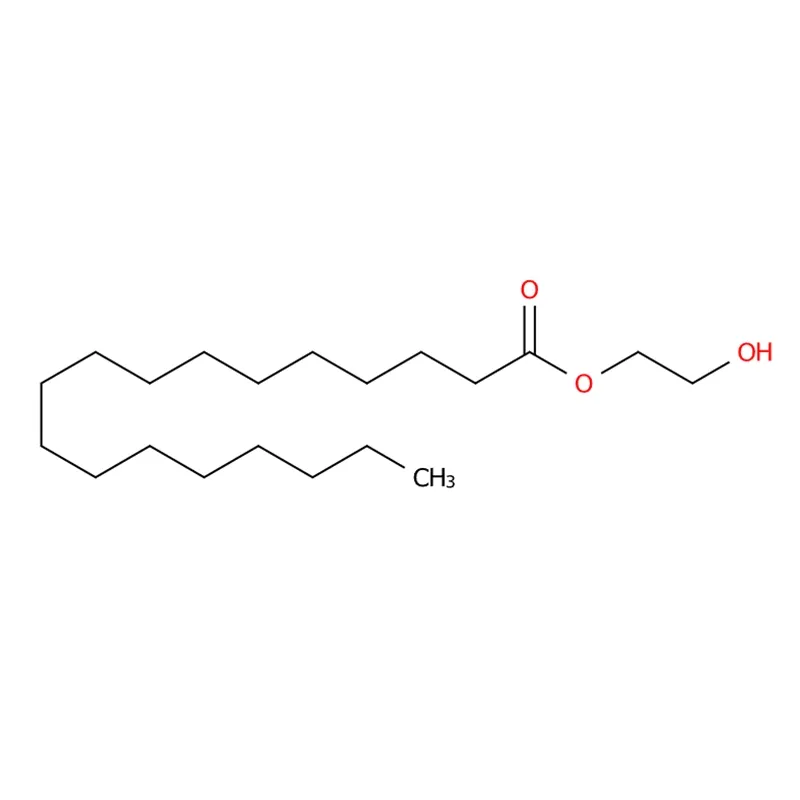
Polyoxyl 40 stearate is an ester compound synthesized from stearic acid (octadecanoic acid), with its molecular structure containing 8 to 40 ethylene oxide repeating units. It is a multi-functional additive extensively adopted within cosmetic and personal care manufacturing sectors, categorized as a
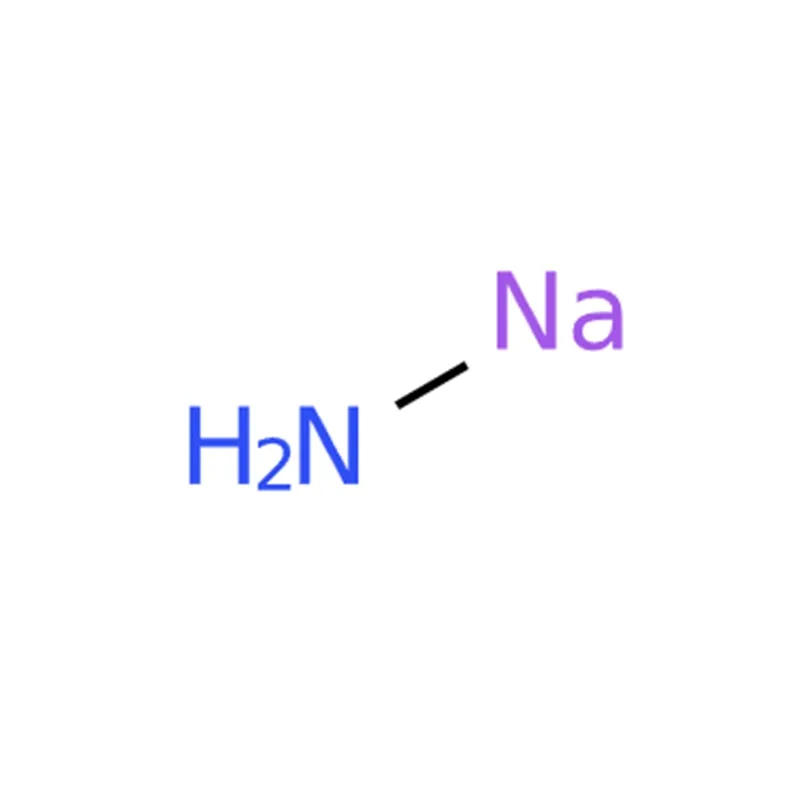
Basic Product Information Sodium amide (NaNH₂) is alternatively called sodamide. It appears as white to olive-green crystalline powder with a characteristic ammonia smell. Core physical indicators: Molecular weight 39.01, melting point 210°C, boiling point 400°C. Thermal decomposition occurs at 500–
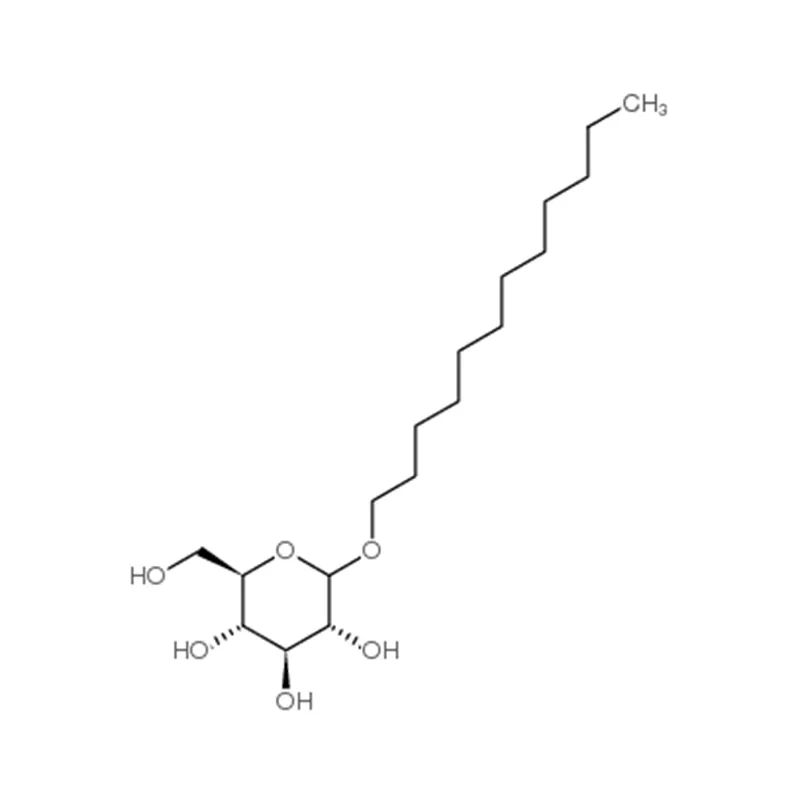
Lauryl glucoside is a soft nonionic surfactant popularly used in skincare and haircare goods, with reliable cleaning and rich foaming effects. Made from renewable plant-based glucose and lauryl alcohol, it treats sensitive skin gently without causing irritation, so it’s frequently added into shampoo
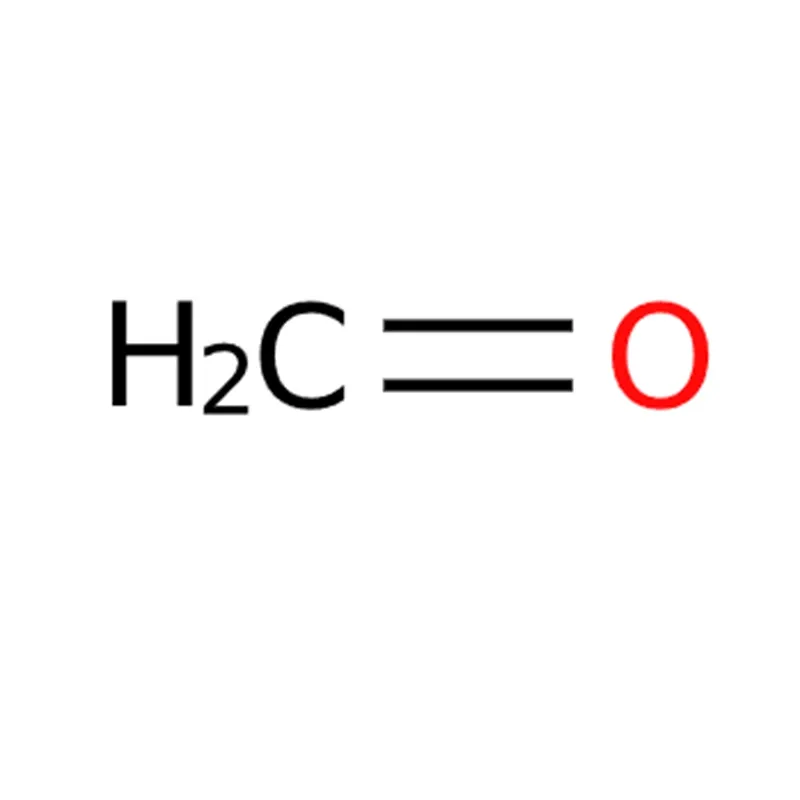
Formaldehyde (CAS: 50-00-0) is the simplest aliphatic aldehyde compound with highly active chemical properties, widely recognized as one of the most fundamental and indispensable raw materials in the modern chemical industry. Featuring a stable molecular structure and strong reactivity, it can easil
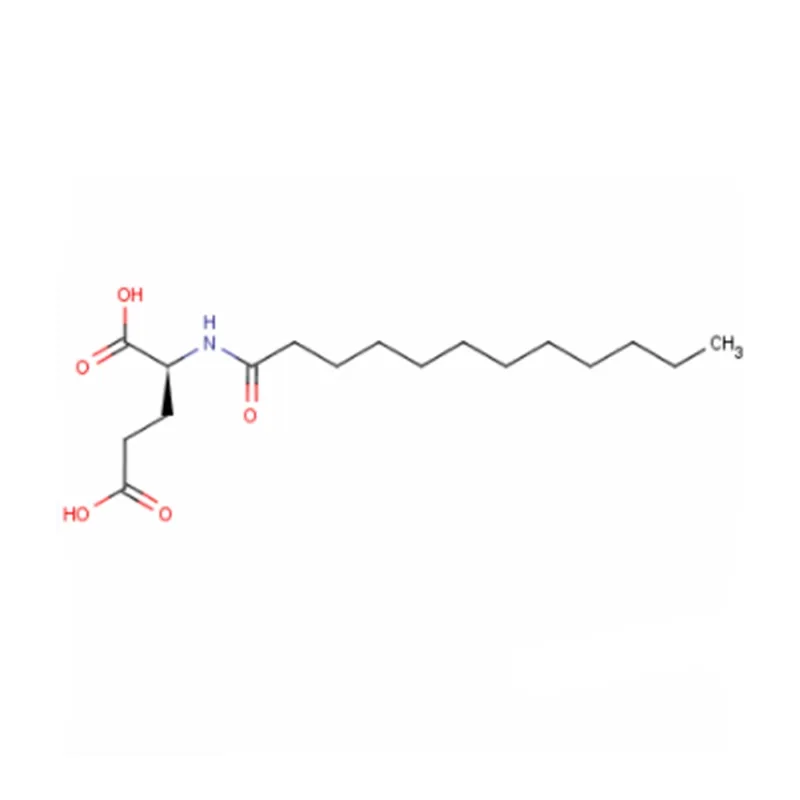
Product Profile – N-LAUROYL-L-GLUTAMIC ACID CAS Registry Number: 3397-65-7 N-Lauroyl-L-glutamic acid is an amino acid-based mild surfactant with skin conditioning functions, widely deployed in rinse-off personal care items including cleansers and shampoos. It features excellent foaming capability, y
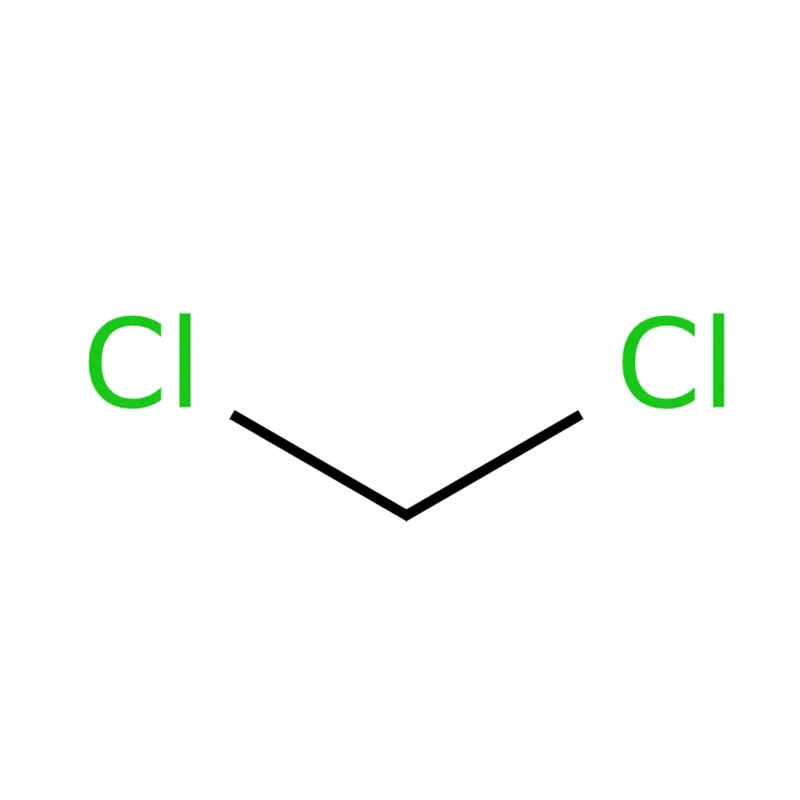
Commonly referred to as methylene chloride, dichloromethane has the chemical formula CH₂Cl₂. It belongs to halogenated methane compounds, which is synthesized by substituting two hydrogen atoms of methane with chlorine element It is a colourless clear liquid with a density greater than water, emitti
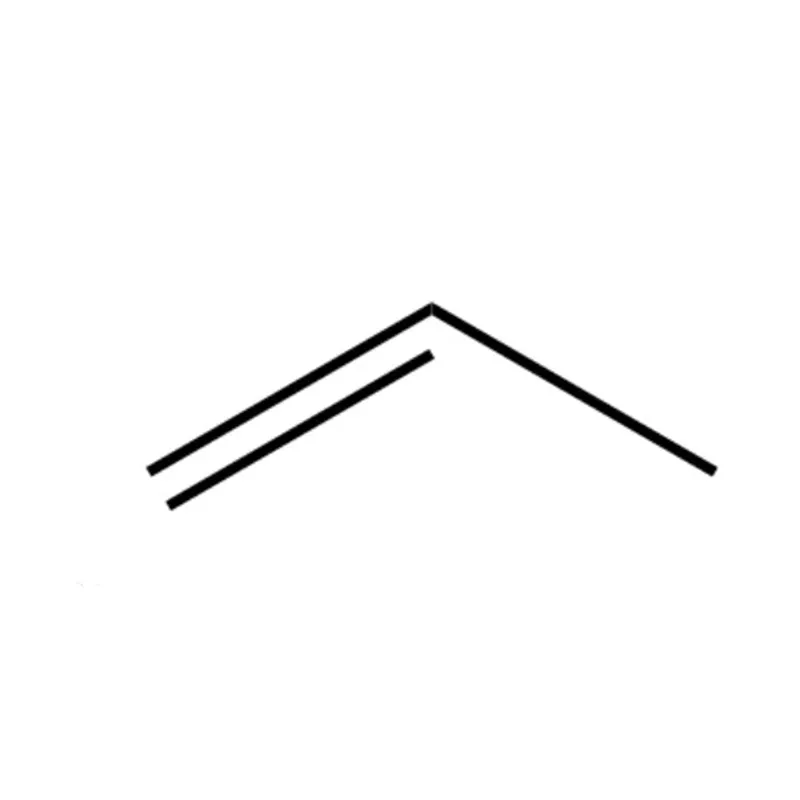
Propylene is the second simplest olefin compound, with the molecular structural formula CH₂=CHCH₃. Within the petrochemical industry chain, it stands as one of the core organic chemical feedstocks, only surpassed by ethylene and benzene in strategic importance. Commercially, propylene is mainly extr
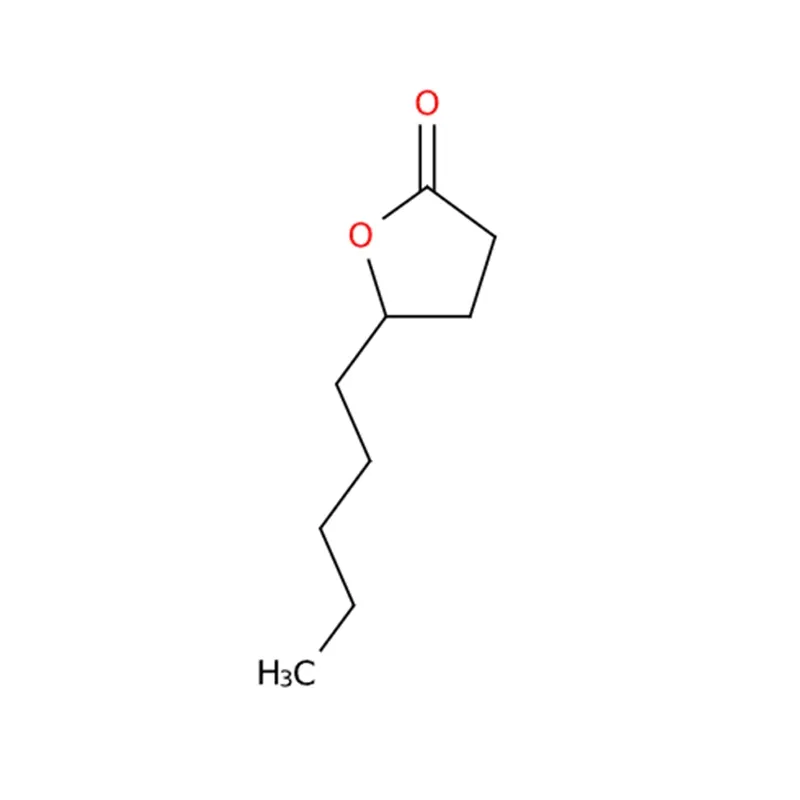
CAS Number:104-61-0 Systematic Chemical Name:5-Pentyloxolan-2-one Gamma-Nonalactone, also commonly known as coconut lactone, is a transparent oily liquid with an appearance ranging from completely colorless to light pale yellow. This lactone compound widely exists in natural food sources and ferment
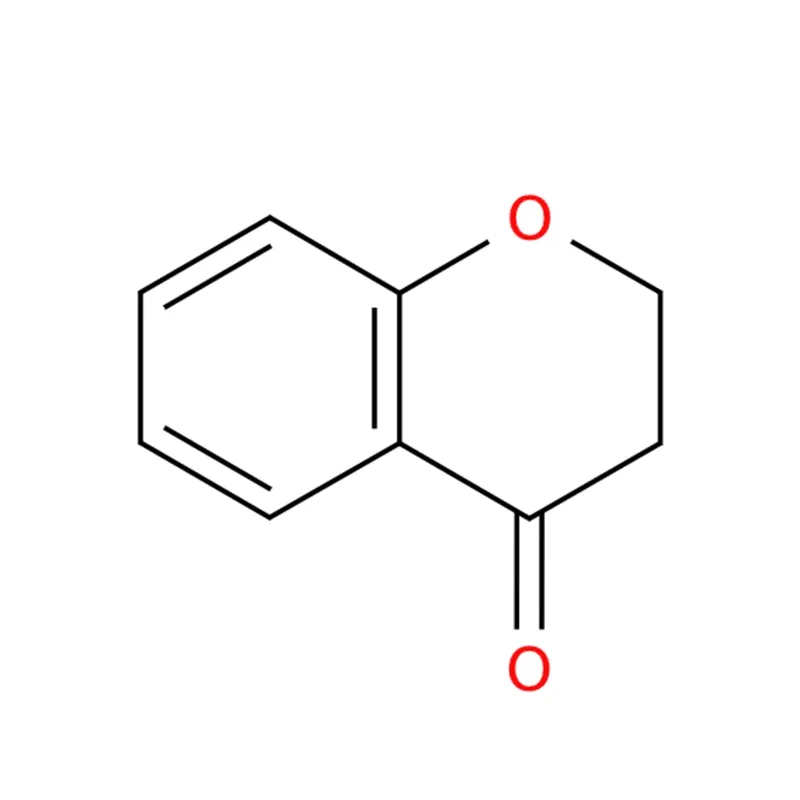
4-Chromanone (CAS 491-37-2) is a high-purity, premium bicyclic organic compound widely recognized as a critical fine chemical intermediate in modern organic synthesis and pharmaceutical manufacturing. The product presents as a yellow-brown crystalline solid with stable physical and chemical properti
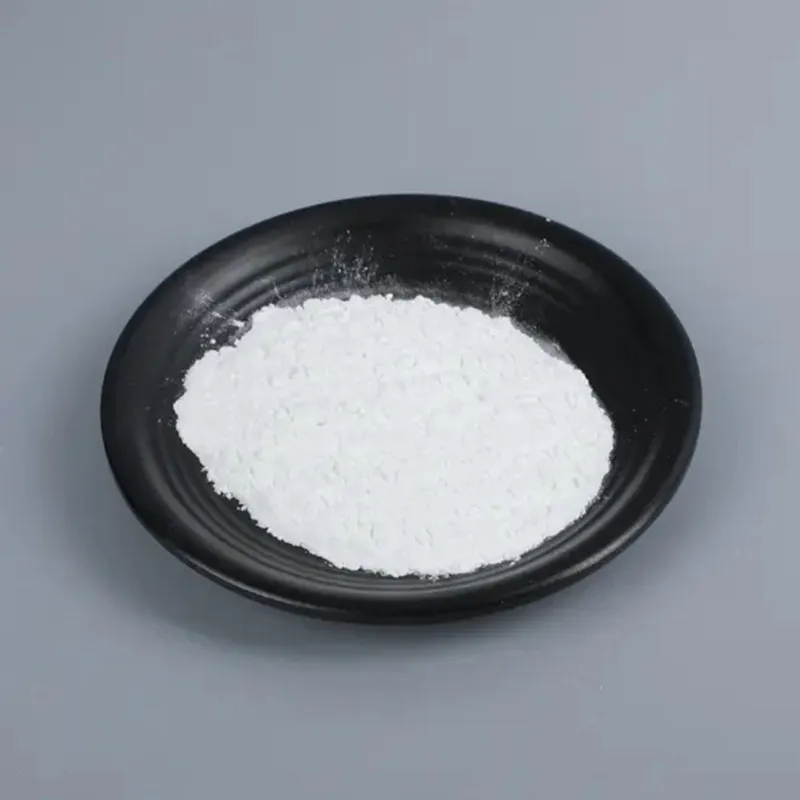
Antioxidant 1330 is a high-performance hindered phenolic antioxidant. It takes the form of fine white crystalline powder and boasts a melting point higher than 244°C. The high melting point greatly lowers its volatility under heat, allowing it to stay effective during continuous high-temperature man
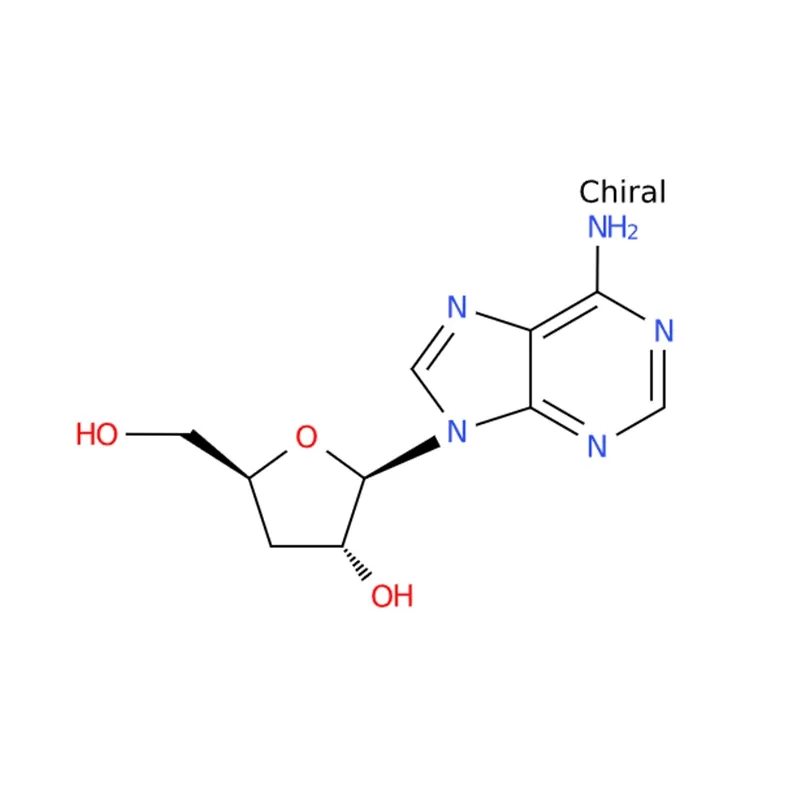
Cordycepin is a naturally occurring adenosine analogue, structurally distinguished by the absence of a hydroxyl group at the 3′ position. Relevant research demonstrates that it can inhibit PARP1 expression and interfere with the polyadenylation process during gene transcription. This bioactive compo
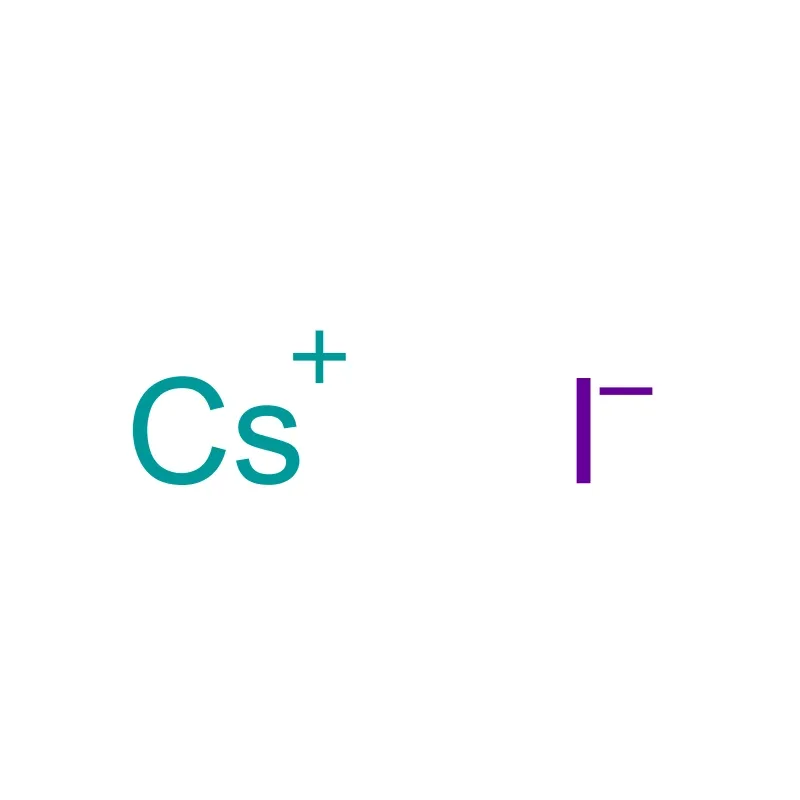
Product Description: Cesium Iodide, CAS No. 7789-17-5 Cesium iodide (CsI), together with its thallium-doped derivative CsI(Tl) and other inorganic halide scintillants, serves as a core scintillation medium for equipment built to track high-energy particles and monitor ionizing radiation. Manufacture
Polyoxyl 40 stearate is an ester compound synthesized from stearic acid (octadecanoic acid), with its molecular structure containing 8 to 40 ethylene oxide repeating units. It is a multi-functional additive extensively adopted within cosmetic and personal care manufacturing sectors, categorized as a
Basic Product Information Sodium amide (NaNH₂) is alternatively called sodamide. It appears as white to olive-green crystalline powder with a characteristic ammonia smell. Core physical indicators: Molecular weight 39.01, melting point 210°C, boiling point 400°C. Thermal decomposition occurs at 500–
Lauryl glucoside is a soft nonionic surfactant popularly used in skincare and haircare goods, with reliable cleaning and rich foaming effects. Made from renewable plant-based glucose and lauryl alcohol, it treats sensitive skin gently without causing irritation, so it’s frequently added into shampoo
Formaldehyde (CAS: 50-00-0) is the simplest aliphatic aldehyde compound with highly active chemical properties, widely recognized as one of the most fundamental and indispensable raw materials in the modern chemical industry. Featuring a stable molecular structure and strong reactivity, it can easil
Product Profile – N-LAUROYL-L-GLUTAMIC ACID CAS Registry Number: 3397-65-7 N-Lauroyl-L-glutamic acid is an amino acid-based mild surfactant with skin conditioning functions, widely deployed in rinse-off personal care items including cleansers and shampoos. It features excellent foaming capability, y
Commonly referred to as methylene chloride, dichloromethane has the chemical formula CH₂Cl₂. It belongs to halogenated methane compounds, which is synthesized by substituting two hydrogen atoms of methane with chlorine element It is a colourless clear liquid with a density greater than water, emitti
Propylene is the second simplest olefin compound, with the molecular structural formula CH₂=CHCH₃. Within the petrochemical industry chain, it stands as one of the core organic chemical feedstocks, only surpassed by ethylene and benzene in strategic importance. Commercially, propylene is mainly extr
CAS Number:104-61-0 Systematic Chemical Name:5-Pentyloxolan-2-one Gamma-Nonalactone, also commonly known as coconut lactone, is a transparent oily liquid with an appearance ranging from completely colorless to light pale yellow. This lactone compound widely exists in natural food sources and ferment
4-Chromanone (CAS 491-37-2) is a high-purity, premium bicyclic organic compound widely recognized as a critical fine chemical intermediate in modern organic synthesis and pharmaceutical manufacturing. The product presents as a yellow-brown crystalline solid with stable physical and chemical properti
Antioxidant 1330 is a high-performance hindered phenolic antioxidant. It takes the form of fine white crystalline powder and boasts a melting point higher than 244°C. The high melting point greatly lowers its volatility under heat, allowing it to stay effective during continuous high-temperature man
Cordycepin is a naturally occurring adenosine analogue, structurally distinguished by the absence of a hydroxyl group at the 3′ position. Relevant research demonstrates that it can inhibit PARP1 expression and interfere with the polyadenylation process during gene transcription. This bioactive compo
Product Description: Cesium Iodide, CAS No. 7789-17-5 Cesium iodide (CsI), together with its thallium-doped derivative CsI(Tl) and other inorganic halide scintillants, serves as a core scintillation medium for equipment built to track high-energy particles and monitor ionizing radiation. Manufacture